
Erasmus+ Blended Intensive Programs
“Blended Intensive Programs” (BIP) is a term introduced with the new Erasmus+ Program. It refers to educational projects involving at least three higher education institutions from three different Erasmus+ countries, in which short-term in-person mobility is supplemented by a mandatory virtual component.
Links to various BIP platforms:
If you are interested in participating in a BIP program organized by CU Carinthia University, please submit a nomination to k.davidde(at)cuas.at or international(at)cuas.at through the relevant International Office, including the following student information:
- First Name
- Last name
- Gender
- Date of birth
- Place of birth
- Nationality
- Phone number
- Email address
Blended Intensive Programs at CU Carinthia University of Applied Sciences for Students and Staff
Partners:
Hellenic Mediterranean University, University of Orléans, University of Vigo, Polytechnic University of Santarém
Location:
Villach
Focus:
This BIP focuses on research supervisors and higher education institution (HEI) managers with the aim of building knowledge about existing support structures for graduate students and providing and expanding research supervision skills in a structured manner.
Description:
The staff program aims to enhance participants’ understanding of recent trends in doctoral studies and strengthen their competencies in research supervision, while also providing a platform for exchange and discussion.
In the online component, the program will explore diverse experiences from graduate schools across Europe, transnational support structures established by European universities, and innovative formats of graduate studies that prioritize societal impact over traditional academic models. Participants will engage in discussions on the challenges of building these frameworks and assess their effectiveness.
With increasing pressures on both students and supervisors, mental health has become a critical factor influencing the success or failure of doctoral studies. During the in-person component of the BIP, participants will address these concerns, working with a well-being researcher and practitioner to learn stress-relief techniques they can apply personally and recommend to their students.
Furthermore, participants will have a unique opportunity to enhance their teaching and supervision skills. A full-day event organized by the Didactic Center at Carinthia University will allow participants to explore the latest trends and best practices in higher education pedagogy. The program will conclude with an intensive two-day seminar led by a renowned Danish expert. Its goal is to enhance participants’ supervision skills by expanding their repertoire of tools and strategies, making research supervision a more professional, effective, and rewarding experience. Presented in an engaging, interactive format, the workshop combines group work, hands-on exercises, plenary discussions, and lectures.
Contact
at CU: Julia Marinaccio J.Marinaccio(at)cuas.at
After a virtual phase that began on June 10th, 2025, the time had finally come: The Physiotherapy Program at CU Carinthia University welcomed a total of over 30 participants from 5 countries and 6 universities from 07.07.-11.07.2025, for the in-person phase of the Blended Intensive Program on the topic “Telemedicine in Physiotherapy - Opportunities & Risks” at the CU Carinthia University of Applied Sciences Health Campus in Klagenfurt.
Under the supervision of faculty members from their own institution and participating universities – including IPP Porto (POR), UFV and CEU in Madrid (ESP), the University of Orléans (FRA), the Medical University of Gdańsk (POL) and Karelia University of Applied Sciences in Joensuu (FIN), the students were able to explore the topic of telemedicine throughout the physiotherapy process in mixed small groups and also engage intensively with Artificial Intelligence.
A highly engaging supporting program – including an excursion to the UKH Klagenfurt, a city tour, and a trip to the Pyramidenkogel – helped ensure that, by the end of the week, the participants had gained many new insights, formed new friendships and developed a wonderful impression of our university and the beautiful region of Carinthia.
In the end, we even saw a tear or two shed by our truly more-than-satisfied guests as they said their goodbyes. We, too, are very pleased with the outcome of the Blended Intensive Program and look forward to, hopefully, many more joint activities with our partners. Finally, a special thank you goes out to all the colleagues involved, both inside and outside the university, for their tremendous support in planning and implementing the BIP.
On behalf of the organizing team – FH.Prof. Dr. Michael Suppanz, MSc; Dr. Sascha Fink and Peter Schubert, MSc.
Partners:
University of Ioannia (Greece), University of Maribor (Slovenia), Politécnico do Porto (Portugal), UFV Madrid (Spain), Gdańsk Medical University (Poland)
Location:
Klagenfurt
Focus:
- Deepening of specialized knowledge (anatomy/physiology, pathophysiology of common emergencies, emergency medications and their use)
- Practical skills (training in CPR, first aid for injuries and acute illnesses, simulation training for emergency scenarios)
- Critical thinking (analysis of case studies involving decision-making, role-playing exercises to develop problem-solving skills, scenarios for prioritization/triage)
- Interdisciplinary collaboration (communication, discussions on roles and responsibilities within the emergency team)
- Ethical and Legal Aspects (Introduction to the legal framework, ethical dilemmas and their discussion, patient consent and decision-making in emergencies)
- Reflection and Self-Assessment (keeping a journal and reflection exercises, peer feedback sessions, personal development plan for continuous improvement)
Description:
Students…
- … develop an in-depth understanding of the fundamental principles and practices of emergency care, including the anatomy, physiology and pathophysiology of emergencies
- … are able to perform life-saving procedures, including CPR, the use of a defibrillator and first aid
- … are able to make quick and effective decisions in stressful and time-critical situations
- … understand the importance of teamwork in emergency management
- … gain knowledge and understanding of the legal framework and ethical considerations related to emergency care
- … are able to reflect on their own performance and decisions and identify opportunities for improvement
Contact person:
Ulrike Tscherne, u.tscherne(at)cuas.at
Partner:
FUNDACION UNIVERSITARIA SAN PABLO-CEU (Spain) , GDANSK MEDICAL UNIVERSITY (Poland), KARELIA UNIVERSITY OF APPLIED SCIENCES (Finland), UNIVERSITY OF ORLEANS (France), POLYTECHNIC INSTITUTE OF PORTO (Portugal), FUNDACION UNIVERSIDAD FRANCISCO DE VITORIA (Spain)
Location:
Klagenfurt
Focus:
The main objective of the BIP is to promote a common understanding of applied telemedicine in the context of physical therapy in Europe. The content of the BIP serves as a thematic framework, with a focus on the implementation of digital tools throughout the entire therapeutic process, beginning with diagnosis, continuing with remote monitoring, and concluding with a summary of the therapeutic process. The objectives of this BIP are to gain an understanding of how various digital tools can be used during the therapeutic process, how patients can be supported with digital tools, to develop an understanding of the limitations of digital tools and the interpretation of data and to gain insight into the changing role of a physical therapist in an online environment. Problem-based learning facilitates collaborative learning among students and enables them to find the most effective solution for developing a deeper understanding of telemedicine in the physiotherapy context and identifying potential applications. The BIP instructors serve as mentors who guide students through the learning process. They provide professional input, establish connections and create a framework for group work. The on-site intensive week offers students the opportunity to discuss similarities, risks, and benefits of therapeutic interventions between virtual and in-person therapy. It also provides the opportunity to gain experience in an international setting following the online exchange. It also provides an opportunity to get to know one another personally, build a European network and deepen their group visions. Experimenting with various technological systems promotes problem-based (experiential) learning. Furthermore, students’ communication skills and intercultural competencies are developed and enhanced.
Description:
The main goal of the BIP is to collaborate with other students from European institutions to identify strategies for incorporating digital tools to support patients in physiotherapy. This would facilitate the provision of high-quality care in the comfort of one’s own home and ease the transition to a more active and healthier lifestyle for those who need it.
The following elements and methods will be used during the BIP:
- Asynchronous elements during the online weeks: lectures, required reading, videos, individual work, group work, group reflection processes
- Synchronous elements: The program begins with a kick-off workshop and an intensive week in Carinthia, Austria, during which participants engage in workshops, experiments and presentations.
- Problem-Based Learning
The following learning outcomes are to be achieved during the BIP:
Students...
- … improve their communication skills
- … are aware of the potential risks and benefits associated with therapeutic treatments in physical and virtual environments
- … be able to integrate appropriate technologies with their treatment approaches
- … use sensor-based data for monitoring and biofeedback
- … be able to understand the fundamental social and ethical implications of these technologies
- … can identify and describe relevant developments and definitions in the field of telemedicine
- Development, implementation and evaluation of telemedicine measures, taking into account legal, technical, and profession-specific framework conditions, using practical examples.
- Implementation of telemedicine in the physiotherapy process using practical examples.
Contact:
Michael Suppanz, m.suppanz(at)cuas.at
Partners:
Autonomous University of Barcelona (Spain), University of Udine (Italy), Kaunas Technical College (Lithuania), Hellenic Mediterranean University (Greece)
Location:
Klagenfurt
Focus:
Sustainable Entrepreneurship and the Development of an Entrepreneurial Mindset
Description:
The program aims to provide participants with a comprehensive understanding of sustainable entrepreneurship.
Entrepreneurship often involves working in teams and the program aims to enhance participants’ ability to work effectively together, share ideas and leverage collective strengths.
Participants will attend online sessions and take part in remote team-building activities before the in-person portion of the program.
The program emphasizes the importance of generating innovative and sustainable business ideas.
Participants will learn how to develop and refine business models and they will gain insights into sustainable business practices.
The program focuses on the practical aspects of entrepreneurship by introducing participants to prototyping and design thinking methodologies.
Entrepreneurship involves inherent risks and challenges. The program aims to address participants’ fear of failure by offering a dedicated workshop to explore this topic.
Pitch training and preparation sessions are included to equip participants with effective communication and presentation skills.
Last but not least, by the end of the program, participants will have developed a sustainable and entrepreneurial mindset while acquiring a range of essential skills to thrive in their personal lives and professional careers.
Sustainable entrepreneurship integrates environmental and social concerns with business, promoting ventures that balance profit with the preservation of the planet and social welfare. As we confront pressing issues such as climate change, resource depletion, demographic shifts and biodiversity loss, businesses that adopt social and sustainable practices can actively counter these threats through eco-friendly operations, renewable energy solutions, and socially oriented and sustainable offerings. Today’s consumers favor businesses that demonstrate a commitment to sustainability, which aligns with their own values. By practicing sustainable entrepreneurship, businesses can build trust, enhance their brand reputation and attract a growing segment of environmentally conscious consumers.
Contact
at CU: Eithne Knappitsch e.Knappitsch(at)cuas.at
Partners:
University of Udine (Italy), University of South-Eastern Norway (Norway)
Location:
Klagenfurt
Focus:
Evidence-Based Practice
Description:
We offer a unique opportunity to participate in the Erasmus+ Blended Intensive Program (BIP) and learn from experts from various countries. The program consists of online workshops and collaborative teamwork, including an intensive week in Klagenfurt, Austria. The topics covered during the program include: fundamentals of evidence-based practice (EBP), principles and key competencies of EBP, application of EBP in practice and statistical foundations for EBP through literature review and analysis, as well as interprofessional collaboration and communication.
Contact person at CU Carinthia University:
Ulrike Tscherne, U.Tscherne(at)cuas.at
Partners:
University of Ljubljana (Slovenia), Universitat Autònoma de Barcelona (Spain), Escola FUABformació (Spain), University of Udine (Italy), ATHENA European University
Location:
Klagenfurt
Focus:
Sustainable Entrepreneurship
Description:
Teams of students from CU CARINTHIA UNIVERSITY OF APPLIED SCIENCES and from across the Alps-Adriatic region, as well as from Barcelona, will develop business ideas that incorporate sustainability and the SDGs. This cross-border collaboration not only fosters an entrepreneurial mindset among the students, but also raises their awareness of sustainability and helps them develop intercultural and language skills.
Contact person at CU:
Eithne Knappitsch, e.knappitsch(at)cuas.at
Challenges and Opportunities for (Re)establishing Social Justice
Partners:
Karelia UAS and TU Darmstadt
Location:
Klagenfurt
Focus:
Digital Transformation, Inclusion/Diversity
Description: Course Materials:
The goal of the BIP is, on the one hand, for students to work internationally in interdisciplinary and transdisciplinary teams and, on the other hand, to acquire multiprofessional perspectives. The thematic framework for this is provided by the course content, which focuses on critically reflecting on diversity in the digitalized world in order to subsequently discuss the challenges and opportunities that can contribute to the (re)establishment of social justice through digitalization. Phenomenon-based learning enables students to get to the bottom of a phenomenon and stimulate a group process. The goal is to develop a vision of how social justice can be achieved through digitalization, based on the students’ personal intellectual interests. The focus is on combining students’ own experiential knowledge with scholarly insights to achieve a level of critical reflection. The BIP faculty see themselves as mentors who guide students’ learning process, provide subject-matter expertise, establish connections and create the framework for group processes to develop. The goal of the on-site intensive week is to give students the opportunity to work in an international environment following the online exchange, to get to know one another personally and to deepen their group visions. Experimenting with various technological systems stimulates phenomenon-based (experiential) learning. At the same time, students’ communication skills and intercultural competencies are developed and strengthened.
Contact person at CU University:
Christine Pichler, C.Pichler(at)cuas.at
Partners:
University of Ljubljana (Slovenia), Universitat Autonoma de Barcelona (Spain)
Location:
Villach
Focus:
Sustainable Entrepreneurship
Description:
About 50 students from CU CARINTHIA UNIVERSITY and from across the Alps-Adriatic region, as well as from Barcelona, enjoyed the fantastic opportunity to collaborate across language and cultural barriers at Makerspace Carinthia. Nine teams developed business ideas rooted in sustainability and the SDGs. This cross-border Alpine-Adriatic project contributed to a global, conscious and sustainable community (#GCSC) of entrepreneurial thinkers and leaders and has so far been supported by instructors from CU CARINTHIA UNIVERSITY, Turismo y Dirección Hotelera UAB, Global Case Study Challenge, and the Slovenian and Carinthian startup scenes, including Iris E., Daniela Planinschetz-Riepl, Dr. Johann Schabauer, Gerald Mueller, Philippa Hell-Höflinger and Gloria Bottaro.
Contact person at CU Carinthia University:
Eithne Knappitsch, e.knappitsch(at)cuas.at
Impact on Companies/Organizations and their Response Strategies
Partners:
University of Ljubljana (Slovenia), University of Ghent (Belgium)
Location:
Villach
Focus:
Facets of Social Change
Description:
International student teams had the opportunity to collaborate on socially relevant topics within an entrepreneurial context.
The focus was on Gender & Youth and addressing issues such as gender equality, generational management, flexible work schedules, shifting values, work-life integration and much more. The goal was for students to acquire a broad spectrum of skills and gain an understanding of how societal trends impact the business landscape and, consequently, their future work environment.
Contact person at CU Carinthia University:
Claudia Morocutti, c.morocutti(at)cuas.at
Video link:
CU Students and Staff in Blended Intensive Programs
Location:
Maribor, Slovenia
Description:
BIP Topics:
- Climate Change and Its Impact on Health
- Biodiversity and ecosystem services
- Toxicology and epidemiology
- Food Safety and Sustainable Practices
- Other Important Environmental and Health Issues
Link:
E+ BIP Environmental Impact on Human Health | University of Maribor Faculty of Health Sciences
Location:
Iași, Romania
Description:
Alexandru Ioan Cuza University of Iași offers this module to students from around the world who share a common interest and passion for science and technology. This course package is designed to expand your theoretical knowledge and practical skills in the natural sciences and to improve your experimental, data processing, and reporting skills. You will explore a wide range of topics, including: Artificial Intelligence models and Machine Learning, mathematics, numerical simulations in physics, high-energy physics, as well as your own first-hand experiences in molecular spectroscopy, cryptography, or celestial image analysis.
Link:
Partners:
Neu-Ulm University of Applied Sciences (Germany), Trakia University in Stara Zagora (Bulgaria), Carinthia University of Applied Sciences (Austria) and Kajaani University of Applied Sciences (Finland)
Location:
Neu-Ulm (Germany)
Description:
The course focuses on the significance of One Health, innovations in medicine, their potential applications, opportunities and challenges, as well as their contribution to solving problems in the healthcare system (e.g., shortage of skilled workers, funding issues, etc.) and to the development of new, innovative solutions.
Link:
Partners:
University of Maribor (Slovenia), University of Vigo (Spain)
Location:
Porto, Portugal
Description:
The main objective of this project is to assess and promote accessibility at the “Queima das Fitas 2025” Academic Week in Porto, Portugal. By conducting a thorough assessment, students will identify all barriers that could prevent individuals from fully accessing the information and activities offered during this week.
Our goal is to provide actionable recommendations to improve the event’s accessibility and ensure the inclusion of all users. The project will take place over the course of one week and will be divided into theoretical learning and practical application. Participants will be divided into five groups, each responsible for evaluating different aspects of accessibility. The evaluation will be conducted using established accessibility guidelines and practices, as well as accessibility testing tools.
Location:
Dąbrowa Górnicza, Poland
Description:
The Blended Intensive Program (BIP), titled “Designing Social Innovations Using Design Thinking and Participatory Methods,” brought together students from various European universities to explore and develop impactful social innovations. The program was organized by Gabriela Węglarz, Małgorzata Małecka-Tomala, Marta Masłyk, and Lubomira Trojan. The BIP provided students with theoretical tools and conceptual frameworks essential for designing and implementing social innovations. With a focus on participatory methods and design thinking, the program demonstrated how to collaboratively develop human-centered solutions to social challenges. Students from four countries (Sweden, Austria, Belgium, and Slovenia) collaborated in an interdisciplinary environment and deepened their understanding of social needs, stakeholder engagement and innovation strategies.
Link:
Partners:
VID Specialized University (Norway), Carinthia University of Applied Sciences (Austria), Ede Christian University of Applied Sciences (Netherlands), Technical University of Applied Sciences Würzburg-Schweinfurt (Germany), University College Cork (Ireland), Palawan State University (Philippines).
Location:
Helsinki, Finland
Description:
The BIP is designed for students interested in exploring the intersections between health care, social services, and sustainability. The course enables students to examine and highlight the connections between human health and the political, economic, and social systems, as well as the natural systems of our planet, through the transdisciplinary framework of planetary health.
Link:
Location:
Maribor, Slovenia
Description:
The program offered a comprehensive exploration of palliative care, beginning with lectures by renowned experts on topics such as person-centered care, the dying process, palliative care in emergency situations and the use of virtual reality (VR) in healthcare. This theoretical foundation prepared the students for an intensive week filled with interactive workshops, discussions and hands-on activities.
The students worked together to develop their own models for person-centered care, explored research methods using innovative PICO cards and practiced supporting patients whose health is deteriorating and who are struggling with distressing symptoms through simulations. A VR workshop provided cutting-edge insights into patient care and combined interactive learning with immersive technology.
A highlight of the program was a visit to the Šentjur nursing home, where participants learned about palliative care practices, including therapies such as aromatherapy, isolation therapy and music therapy, which are used to help patients through the end-of-life process. The students engaged in conversations with nurses and social workers, gaining practical insights into the care of elderly patients.
Link:
Partners:
Heilbronn University of Applied Sciences (Germany), Dundalk Institute of Technology (Ireland), University of Agribusiness and Rural Development (Bulgaria)
Location:
Joensuu, Finland
Focus:
Solving entrepreneurial challenges posed to students by small local businesses in the Nurmes region of North Karelia through the application of the “Design Thinking Methodology.”
Partners:
University of Maia (Portugal), Polytechnic Institute of Porto (Portugal), Vilnius Tech (Lithuania), Odisee University of Applied Sciences (Belgium), Trier University of Applied Sciences (Germany), University of Maribor (Slovenia). University of Orléans (France), Hellenic Mediterranean University (Greece), LUCA School of Arts (Netherlands), University of Trás-os-Montes and Alto Douro (Portugal)
Location:
Vilnius, Lithuania
Focus:
Interdisciplinary student teams work together – both in person and online – for 4 months on a joint project. The projects are challenge-based and include a marketing and business plan.
Partners:
University of León (Spain), Šiauliai State University of Applied Sciences (Lithuania)
Location:
Porto, Portugal
Focus:
Information and Communication Management
Description:
The objectives for program participants are:
- to understand the importance of information and communication management as a structural element in the overall management of organizations in the digital age
- To reflect on the areas of responsibility of an information and communication manager
- Preparation for future job skills: group interaction and collaboration with a high technological component, use of a foreign language (English), relationships requiring cultural sensitivity and group work in an international context.
Partners:
Trakia University (Bulgaria), Carinthia University (Austria), and Neu-Ulm University of Applied Sciences (Germany)
Location:
Neu-Ulm
Focus:
Entrepreneurship in the healthcare sector
Description:
The Startup Camp One Health offers a great opportunity to dive into the topic, learn more about how to start a business, and exchange ideas with international students and faculty. Here, you’ll be part of a great team from day one. Through interactive activities and team challenges, you can actively contribute innovative ideas and acquire valuable skills for your future business ventures
Contact person at CU Carinthia University:
Klaus Wettl K.Wettl(at)cuas.at
Link:
https://www.hnu.de/internationales/erasmus/bip-startup-camp-one-health
Partners:
University of Ghent (Belgium), University of Ljubljana (Slovenia), Linnaeus University (Sweden), WSB University (Poland), Carinthia University (Austria)
Location:
Ghent
Focus:
Sustainability and the Sustainable Development Goals
Description:
The BIP program “Sustainable Development Goals (SDGs) – Gain SDG Knowledge and Become an Expert in Your Chosen SDG” offers you the opportunity to embark on an inspiring international journey and develop a deep understanding of the global challenges of sustainability and potential solutions. The program offers a dynamic mix of knowledge exchange, hands-on experience, and intercultural immersion. Speakers from diverse backgrounds in government, industry and academia across various geographic regions will share their insights and shed light on the various sustainability issues of our time, as outlined in the SDGs. Students will have the opportunity to collaborate with peers from other higher education institutions across various European countries and tackle sustainability challenges through real-world projects. Participants can also take part in field trips and social activities in the city of Ghent and its surrounding area.
Contact person at CU Carinthia University:
Verena Fink V.Fink(at)cuas.at
Partners:
VID Specialized University (Norway), Diaconia University of Applied Sciences, DIAK (Finland), Protestant University of Applied Sciences (Bochum, Germany), Carinthia University (Austria)
Location:
Oslo
Focus:
Human rights and reflections on the topics of diversity, participation, discrimination, disability, ableism and more
Description:
The course is based on a comprehensive, biopsychosocial view of the human being. What every citizen can do, what social roles they can assume and what quality of life every citizen can experience are influenced by a complex interplay between the individual and their environment. The interaction between public and private services and the structure of society are of fundamental importance for the scope of action available to individual citizens. This is what the CRPD refers to as an “interaction-based understanding of disability.”
Contact person at CU Carinthia University:
Christine Pichler C.Pichler(at)cuas.at
Link:
Erasmus+ Blended Intensive Programs at VID - VID University of Applied Sciences
Partners:
Diaconia University of Applied Sciences, Technical University of Applied Sciences Würzburg-Schweinfurt (Germany), VID Specialized University (Norway), Carinthia University (Austria) and University College Cork (Ireland)
Location:
Helsinki
Focus:
- Intersections between health care, social services and sustainability
- Connections between human health and political, economic, and social systems
- Transdisciplinary framework of planetary health
Description:
The BIP is designed for students interested in exploring the intersections between health care, social services, and sustainability. The course will enable students to examine and demonstrate the connections between human health and political, economic and social systems, as well as the natural systems of our planet, through the transdisciplinary framework of planetary health.
Contact person at CU:
Andrea Stitzel
Link:
Planetary Health – Diaconia University of Applied Sciences (diak.fi)
Partners:
University of South-Eastern Norway, Drammen Campus (Norway), University of Udine (Italy)
Location:
Udine
Focus:
Stroke: Bridging Professions and Cultures – Understanding, Engaging, and Collaborating to Provide Care
Description: Course Materials:
The Blended Intensive Program is used to promote the exchange of best practices and evidence-based approaches in stroke care. Digital tools are used to share experiences among Erasmus partners. The project has specific objectives, such as identifying key strategies for stroke care, exchanging information on the epidemiology of cerebrovascular diseases and examining stroke care management in the participating countries. The analysis of clinical tools and the team-based approach during the acute phase of a stroke will be conducted during the in-person phase, while the experiences of healthcare professionals and non-healthcare professionals in various care settings will be examined primarily during the online phase.
Contact person at CU Carinthia University:
Sabine Spanz, S.Spanz(at)cuas.at
Partners:
Diaconia University of Applied Sciences (Finland), University of Applied Sciences Würzburg-Schweinfurt (Germany), VID Specialist University (Norway)
Location:
Helsinki
Focus:
eHealth in an interdisciplinary context
Description: Course materials:
The BIP Digital Competences 2023 program brings together international students from various healthcare professions – and, new this year, students with a background in medical informatics – to collaboratively develop digital solutions to support vulnerable groups, for example. The groups come together during the preliminary online program, where they can collaborate through team-building activities and exercises on various topics (e.g., digital accessibility, artificial intelligence, etc.) and get to know the different fields of study. On-site, team dynamics are strengthened through the hackathon, and the groups compete against one another in a competitive hackathon. In addition to further theoretical input, the main focus is on supporting the students and helping them develop a concept for a digital solution. At the end of the hackathon, there will be pitches, and a winning group will be selected by a jury.
Contact person at CU Carinthia University:
Daniela Ströckl, D.Stroeckl(at)cuas.at
Link:
Partners:
University of Ljubljana (Slovenia), University of Ghent (Belgium)
Location:
Ljubljana
Focus:
Inclusion and Diversity
Description: Course Materials:
The Blended Intensive Program focuses on inclusion and diversity from the students’ perspective. International students gather in Ljubljana to collectively understand the impacts of diversity and discrimination and to develop a comparative mindset regarding the capacity for inclusion. Students are expected to gain an understanding of the inclusion process and raise awareness of these issues in higher education. In addition, the BIP helps students develop practical presentation and debate skills.
Contact person at CU Carinthia University:
Claudia Morocutti, c.morocutti(at)cuas.at
Partners:
Diaconia University of Applied Sciences (Finland), University of Applied Sciences Würzburg-Schweinfurt (Germany), VID Specialist University (Norway)
Location:
Helsinki
Focus:
Digitalization in the Context of Various Healthcare Professions
Description:
At the BIP Digital Competences 2022 event, international students from various healthcare professions came together to collaboratively develop digital solutions. The groups had already come together during the preliminary online program, where they were able to work together through team-building activities and exercises on various topics (e.g., digitalization in general, universal design, etc.) and learn about the different perspectives of the healthcare professions. On-site, the hackathon strengthened team dynamics, and the groups competed against each other in a competitive hackathon. In addition to further theoretical input, the main focus was on supporting the students and helping them develop a concept. At the end of the hackathon, there were pitches, and a winning group was selected by a jury. Beyond the teaching and learning activities, on-site team-building was also a priority; a trip to the movies and an “Amazing Race” through Helsinki were organized by the local partner university, Diakonia.
Contact person at CU Carinthia University:
Andrea Stitzel, A.Stitzel(at)cuas.at
Link:
Short video:
Partners:
Diaconia University of Applied Sciences (Finland), Würzburg-Schweinfurt University of Applied Sciences (Germany), VID Specialized University (Norway), University of Tartu (Estonia), University College Cork (Ireland)
Location:
Helsinki
Focus:
Eco-social change
Description:
The course provided a foundation for understanding the concepts and debates underlying the key question of eco-social transformation: How can people achieve a sustainable way of life within the limits of the Earth’s ecosystems by implementing social and economic measures that lead to a more just and equitable society?
Students explored the key themes of this question – the relationship between society and the environment – through key concepts such as green growth versus degrowth, sustainable development, climate change and health, demographic change, digitalization, sustainable healthcare and well-being, social inequality, and intergenerational justice.
The students also learned to apply these concepts to analyze the key factors for transforming society through eco-social policies.
Contact person at CU Carinthia University:
Andrea Stitzel, A.Stitzel(at)cuas.at
Link:
https://www.diak.fi/en/studying/international/intensive-programmes/eco-social-change/
Contact
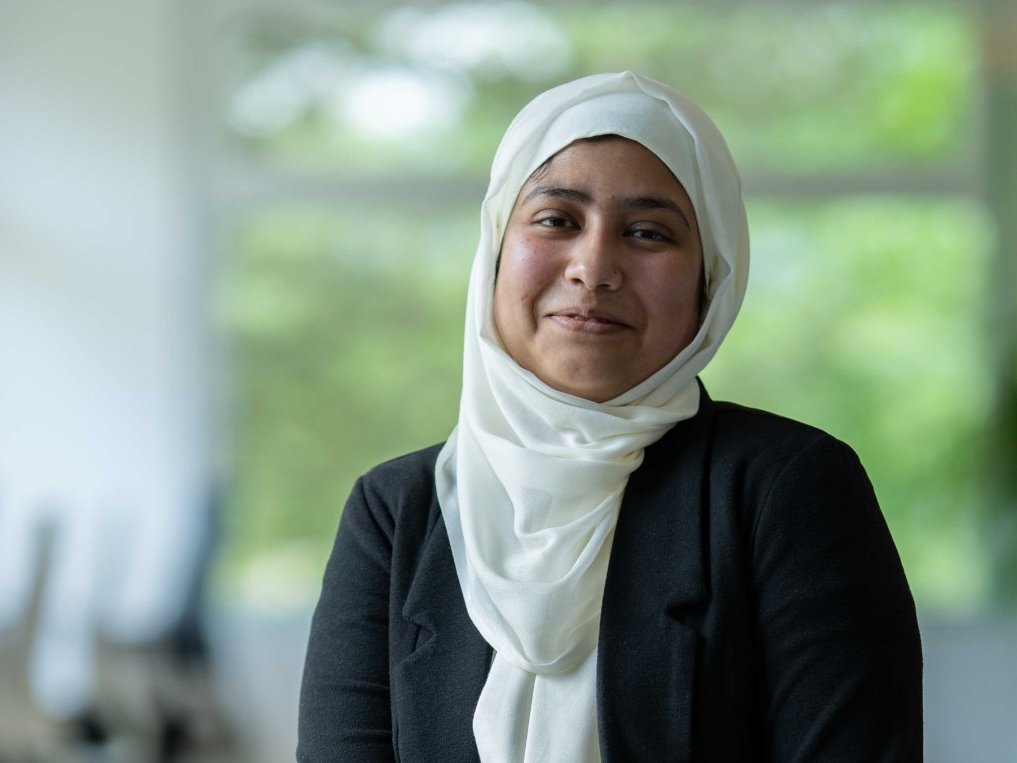
Shaikh Moushumy, MA
International Coordinator for BIP and Internships
+435905007042
s.moushumy(at)cuas.at