
Our University of Applied Sciences
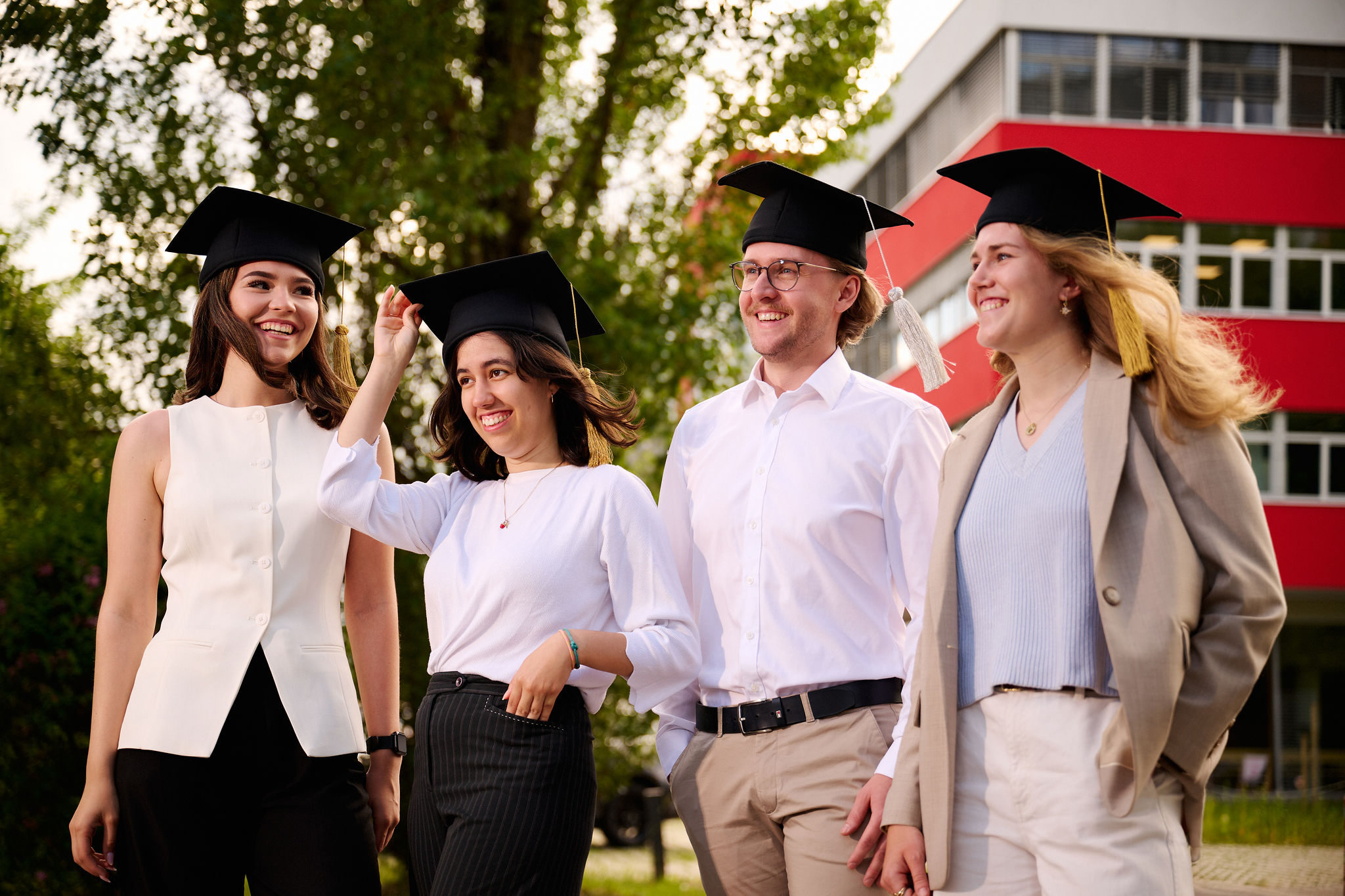
Since its founding, CU Carinthia University has evolved into a unique educational institution in Carinthia. Through the continuous development of its Degree programs and close collaboration with industry and academia, the university ensures that students receive a forward-looking education that is in step with the times.
CU Carinthia University embodies the principle of direct practical relevance. Full-time and part-time faculty members, as well as guest lecturers from industry and business, ensure an interdisciplinary, internationally oriented higher education experience. Currently, approximately 40 Degree programs in the fields of civil engineering, technology, health and social services, and business are offered at the campuses in Spittal, Villach, Klagenfurt and Feldkirchen.
Empowering talent. Shaping the future. Connecting Europe.
We are the hub for impact-driven research, inspiring and practice-oriented teaching and continuing education.
Through personalized mentoring, diverse teams and international alliances, we empower people to solve complex problems responsibly – with a tangible impact on the region and Carinthia’s position within the European knowledge landscape.
As a hub and part of a European University, we connect talent, partners, and ideas across disciplines, sectors and borders, establishing Carinthia as a firmly anchored location within the European knowledge and innovation network.
We integrate research, teaching and knowledge transfer in closely interlinked, project-based formats: through personalized mentoring and close guidance, research-driven teaching, flexible degree and continuing education programs for all stages of learning, co-creation with industry, the public sector and society, as well as international alliances and diverse, inclusive teams. We promote entrepreneurship, open science and responsible innovation – supported by modern learning and research infrastructures, digital and analog formats and rigorous quality assurance.
In this way, we empower students and university members to solve complex problems responsibly and collaborate effectively. This yields practical research outcomes, highly qualified graduates, new partnerships and innovations with strong transfer potential. In this way, we achieve a tangible impact on the region, the economy and society; create value; and make Carinthia a deliberately chosen destination and hub of activity within the European knowledge landscape.
The Diversity Charter is an initiative to promote respect for all members of society – regardless of gender, age, origin, skin color, sexual orientation, religion, or worldview, as well as physical or mental disability. The Diversity Charter is a public, voluntary commitment. It is based on the recognition that diversity is a defining characteristic of Europe – both in its history and in its society. It recognizes and values the benefits and opportunities that this diversity offers.
Our Values
We shape the future
We are shaping the world of tomorrow: With curiosity, creative ideas,and vision, we open up new perspectives. In doing so, we prepare our students and our university to create a sustainable future.
Our passion drives us
We are passionate about education, research and exchange – and we inspire our community to achieve great and good things together through dedication and joy.
We act responsibly
Our actions are guided by a sense of responsibility – we use our knowledge and expertise to make a positive contribution to society and sustainability.
We embrace diversity
Everyone is welcome – differences enrich us: We create an open, respectful space and an inclusive community where everyone can reach their full potential.
We foster a sense of community
Together, we are effective and strong: We foster trust, solidarity and mutual support.
Organization of CU Carinthia University
CU Carinthia University is operated as a non-profit limited liability company (GmbH). The purpose of the GmbH is to establish, maintain and offer University of Applied Sciences Degree programs and Graduate programs in the Faculties of Built Environment, Engineering & IT, Health Sciences & Social Work and Business & Management, as well as to offer training and Continuing Education courses.






Quality Management
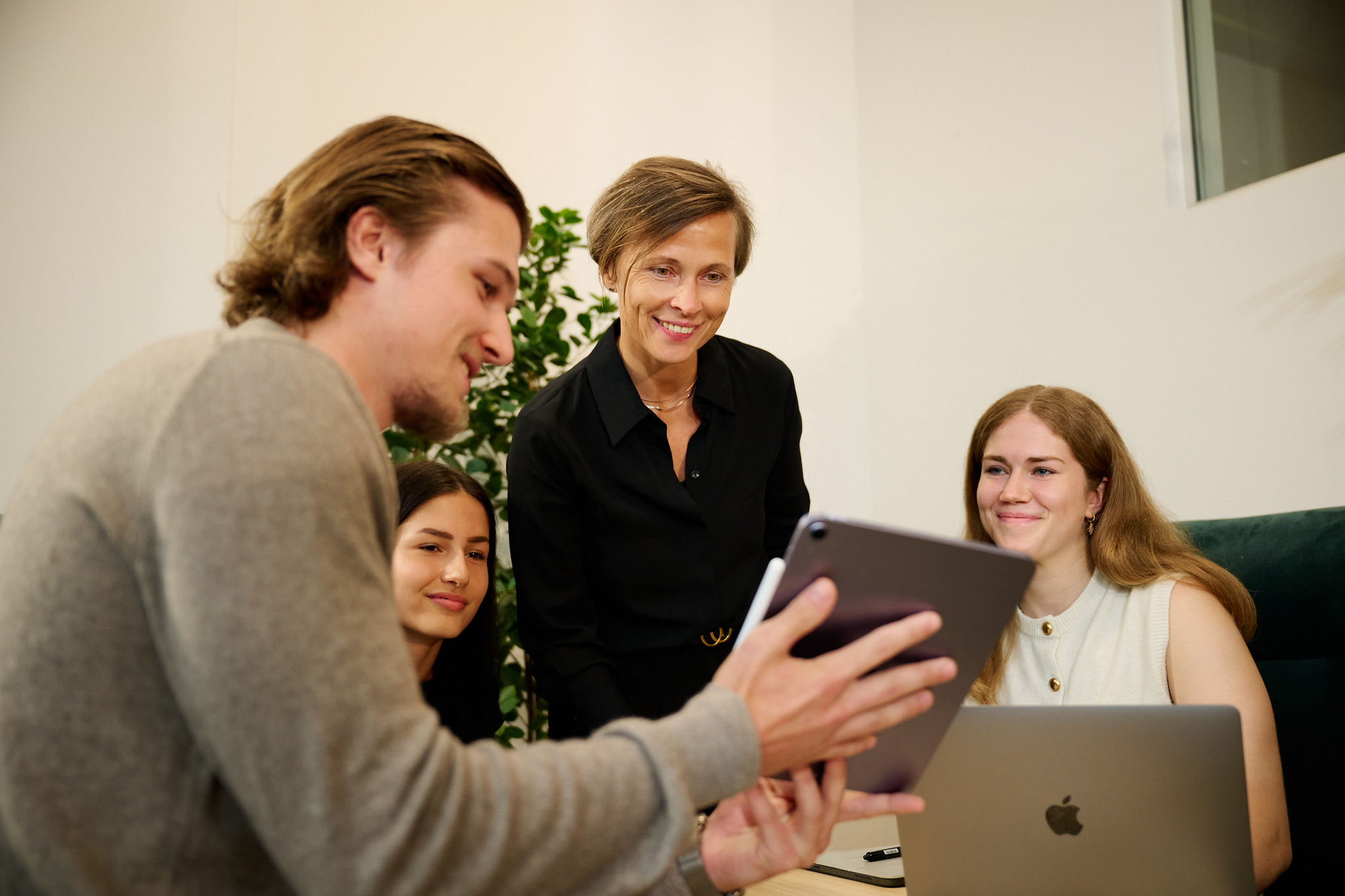
The university development plan – with its defined quality objectives, organizational structure and the establishment of a culture of quality – forms the basis for planning and the resulting implementation measures. Process and project management methods support this implementation.
The definition of what constitutes high quality is determined within the individual service and cross-functional areas. Through appropriate evaluation procedures, systematic and well-founded recommendations for improvement, further development and renewal are collected and analyzed to ensure the university’s continuous development. Evaluation procedures have been established for each service area (academic programs and teaching, research and development, and continuing education) as well as for the cross-functional areas of internationalization and human resources; these procedures are subject to ongoing refinement.
CONTACT
Mag.a Eva Bstieler
Head of Quality Management
+43 5 90500 7020
e.bstieler(at)cuas.at
Sustainability @CU

In light of current challenges, the issue of sustainability has come even more into the spotlight in society. For us as a university, responsible thinking and action, combined with goals for sustainable development, form an important foundation.
In addition to its core tasks of teaching and research, a university has a third central mission: to have a sustainable impact on society. While this “third mission” was viewed in the past as an additional task for universities, it is increasingly becoming the “first mission,” around which academic and research activities are also aligned.
From this perspective and in light of this development, it follows logically for CU Carinthia University that the topics of sustainability, the pursuit of the Sustainable Development Goals (SDGs), as well as environmental management and the university’s related activities and measures hold central importance and must be continuously strengthened.
To ensure that the concept of sustainability is integrated into all areas of the university, we have established two points of contact – Sustainability Officer Manuela Seebacher and Environmental Officer Karl-Heinz Huber – to further advance the vision of a modern and environmentally conscious higher education system. We welcome ideas and suggestions on these topics.
CONTACT
Mag.a Manuela Seebacher
Sustainability Officer
+43 5 90500 7002
nachhaltigkeit(at)cuas.at
Karl-Heinz Huber
Environmental Officer
+43 5 90500 7900
umweltmanagement(at)cuas.at
Equality and Diversity
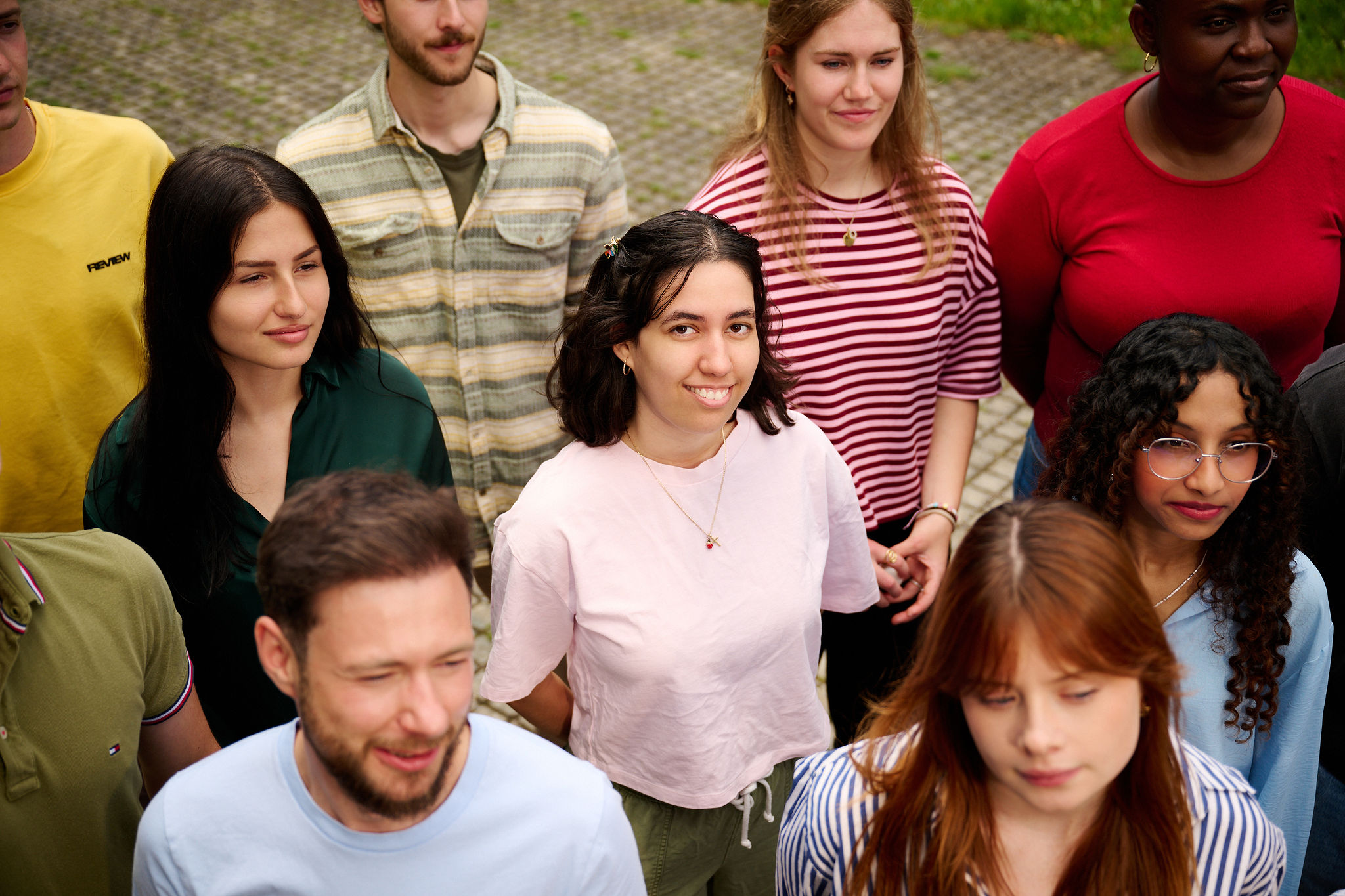
Since its inception, CU Carinthia University has focused on fostering a cultural climate in which diversity and common ground, exchange and dialogue, inclusion and equal participation – even across disciplinary boundaries – play a major role.
In 2005, the Committee on Equal Treatment was established to help give this initiative momentum and direction.
In the Diversity & Equity Board (formerly the Committee for Equal Treatment), staff members from all faculties and service areas of the university work together to carry out substantive gender and diversity initiatives that – driven in part by teaching and research – have a profound impact on the structures of CU Carinthia University.
In accordance with the Diversity Charter, which was signed by CU Carinthia University in 2015, equal treatment and equal opportunities for staff at all organizational levels as well as for all students – regardless of age, gender, physical disability, ethnic and national origin, religion and sexual orientation, are viewed as objectives of the university.
Since issues of equal treatment and equal opportunity are becoming increasingly important – in all organizations and thus also at universities – an additional position for equal treatment was created at CU Carinthia University in 2016, serving as a point of contact for employees, students and (potential) applicants regarding issues of equal treatment.
The office operates independently and is not subject to external directives and can therefore offer a confidential and open forum for discussion.
Contact
Mag.a (FH) Christina Leitner-Intering
Equal Treatment Officer
+43 5 90500 4213
c.leitner-intering(at)cuas.at
gleichbehandlung(at)cuas.at
Family-friendly University

Creating a family-friendly environment for employees and students is at the heart of CU Carinthia University efforts in the “hochschuleundfamilie” project. Since 2014, our university has implemented organizational measures to support the balance between family life and studies or work.
As part of the “hochschuleundfamilie” audit, the issue of family-friendliness at CU Carinthia University was brought to light and initial existing measures were presented. Building on this, further measures in various areas were defined and implemented during the subsequent audit periods.
After CU Carinthia University received the “hochschuleundfamilie” Basic Certificate in 2014, the certificate was renewed in 2017, 2020 and 2024. Within each audit period, measures were developed and implemented in several selected areas.
In its efforts, CU Carinthia University draws on the following definition of “family”: “Family comprises people who are bound together by a committed relationship, care for one another and bear responsibility for one another.”
In 2014, Carinthia University decided to undergo the “hochschuleundfamilie” audit. The audit is an externally guided process in which the current status of family-friendly measures is systematically assessed. New measures are also developed based on these findings. The certificate must be renewed periodically, which means that the university is constantly working to implement and develop family-friendly measures. In the podcast, Barbara Frewein-Mayrbrugger, Head of Human Resources, and Ulla Birnbacher, who leads the “hochschuleundfamilie” working group at Carinthia University, discuss the motivation behind the initiative, successfully implemented measures and future plans.
Continuous Expansion of Digital Learning Offerings
- Moodle as a unified learning platform
- Increased offerings of online and hybrid instruction (location-independent)
- Increased use of blended learning with synchronous and asynchronous learning phases (flexible scheduling)
- Use of MS Teams as a platform for online teaching and online meetings
- Training / support for the development of instructional concepts provided by the Center for Instructional Design
- Equipment for hybrid teaching in numerous lecture halls, seminar rooms and a recording studio
Amendments to the examination regulations
- Module exams = fewer course assessments
- Part-time study = extending one academic year to two years
- Enabling mandatory internships to be completed part-time
- Illness of children or relatives requiring care = valid reason for absence from exams
Implementation of the “Student Support Service”
- Systematic development of a student health management program
- Psychosocial crisis counseling for students
Establishing policies and company agreements that take into account changing work conditions and needs and also improve work-life balance.
- “Flexible Work Hours” company agreement with an annual average calculation
- “Remote Work” policy enabling work from home or other locations (2015-2021)
- “Sabbatical” company agreement, which allows for various savings models for individual time off
- “Working from Home” company agreement (replaces the “Remote Work” policy) (since 2021)
To create the conditions necessary for a healthy, engaged and balanced work environment at CU Carinthia University in order to successfully achieve the institution’s goals.
- Implementation of the career model and salary model
- Availability of parental part-time work, partial retirement, paternity leave and parental leave for fathers
- Workplace Health Promotion: The CU4HEALTH project develops and offers measures based on the following three pillars:
1. Healthy employees and students
2. Healthy work
3. Healthy organizational culture
Works Council
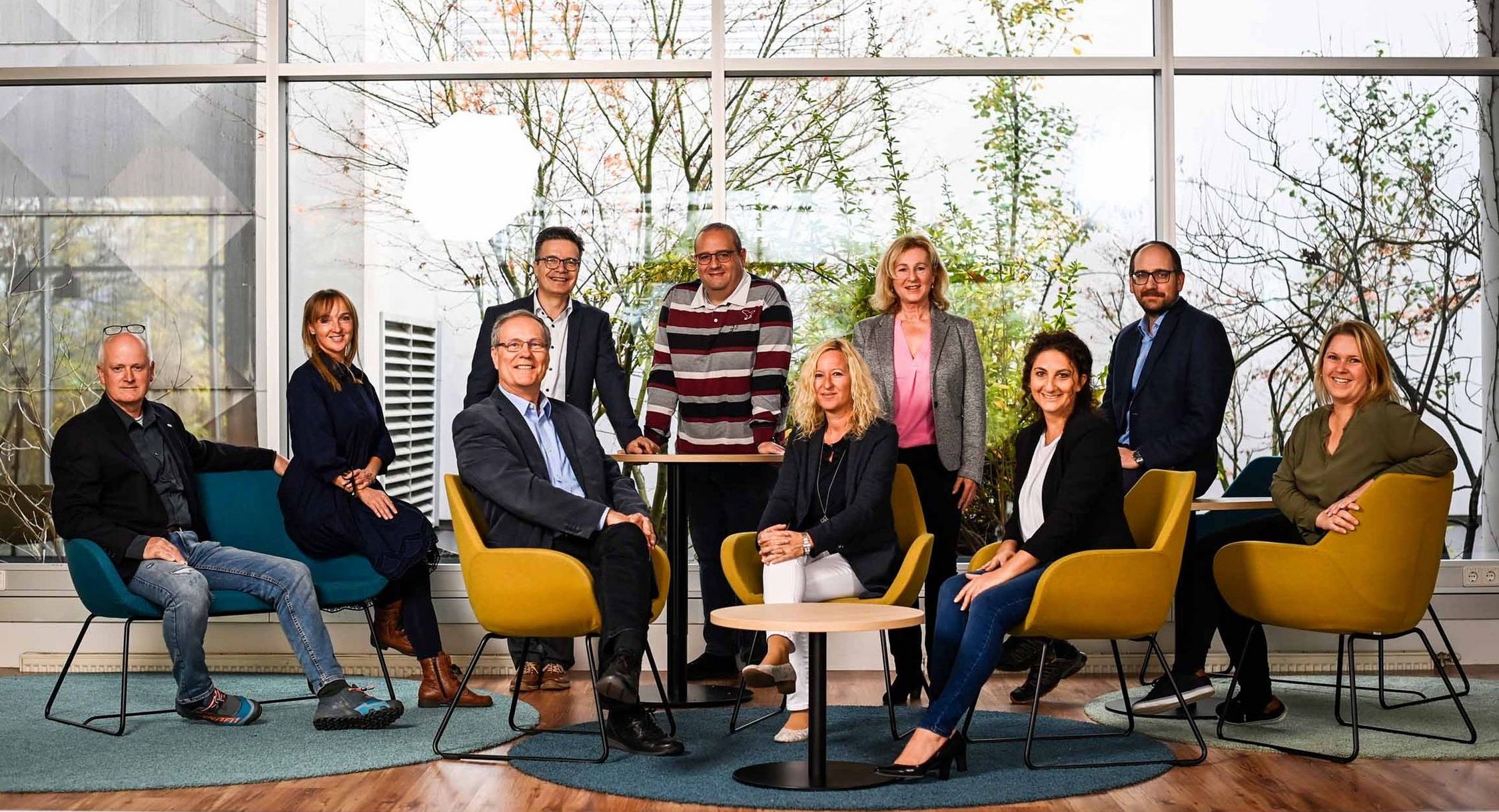
The works council serves as the link between the employees and the employer. Its role is to act as a mediator, but also to serve as a central point of contact. The current works council team works well together and complements one another, and is very committed to addressing the concerns of all colleagues in a positive manner.
We are responsible not only for what we do, but also for what we do not do. (Molière)
An elected works council can – drawing on the solidarity within the workforce – strongly and consistently address and advocate for the concerns of colleagues. In addition to its “core mission” – representing the staff in dealings with the employer, CU Carinthia University – the works council also works, whenever possible, to promote the economic, social, health and cultural interests of the employees.
Contact
Mag.a rer.nat. Carmen Zernig-Malatschnig
Works Council Chair
+43 5 90500 4313
c.zernig-malatschnig(at)cuas.at
Sandra Mak
Works Council Assistant
+43 5 90500 7281
s.mak(at)cuas.at