
Quality Management
The university development plan – including the quality objectives it sets forth, the organizational structure, and the establishment of a culture of quality – forms the basis for planning and the resulting implementation measures. Process and project management methods support this implementation.
The definition of what constitutes good quality is determined within the individual service areas and cross-functional areas. Through appropriate evaluation procedures, systematic and well-founded recommendations for improvement, further development and renewal are gathered and analyzed to ensure the university’s continuous development. Evaluation procedures have been established for each functional area (academic programs and teaching, research and development, and continuing education) as well as for the cross-functional areas of internationalization and human resources, and these procedures are continuously refined.
The respective responsible committees and functional areas of the university develop improvement measures based on the quality results. The quality cycle operates at all levels of the university (university-wide, at the level of academic departments or Degree programs and at the level of service areas) as well as through interaction between these areas. The quality culture also involves working groups and staff in the principle of goal-oriented quality development. Quality is created within the sphere of influence of every university member.
Guidelines and processes provide direction. Support processes and the infrastructure assist the university in creating value. They are continuously updated and improved.
- Participation and Communication: The quality strategy of CU Carinthia University is based on the understanding of a culture of quality that recognizes participation and communication as essential principles of quality development.
- Creating Space for Creativity: As a learning organization sustained by the expertise of its members, the university aims to create sufficient space for creativity and innovation within its governance structure to enable development.
- Structures for Fostering Critical Discourse: Quality management serves to stimulate, guide, and provide a framework for critical discourse.
- Process Orientation and Transparency: The framework established by the quality management system provides guidance and ensures the transparency of processes, fostering a shared understanding of procedures.
- Agility & Resilience: The quality management system provides the organization with sufficient stability to adapt quickly to unforeseeable events and changing conditions while maintaining the necessary agility and flexibility.
- Targeted Management: At the same time, this systematizes the management of continuous quality improvement across the individual service areas.
In March 2023, the quality management system at CU Carinthia University was certified for the next seven years in accordance with Section 22 of the Higher Education Quality Assurance Act (HS-QSG). The process was overseen by the evaluation agency evalag.
The quality management system (QMS) was reviewed in 2022 as part of a comprehensive audit process by five experts from the higher education sector in Austria, Germany and Switzerland. The focus was on CU Carinthia Universityperformance with regard to its strategy and development plan, quality assurance for academic programs and teaching, research and development, internationalization, human resources, and continuing education, as well as the information and communication systems necessary for quality assurance and continuous improvement.
The evaluators attest that CU Carinthia University has a very well-developed quality management system in all areas, which supports the university in achieving its strategic goals through self-governance. In addition, the evaluators found that the university’s strategic goals are aligned with its mission statement and that the rolling, highly participatory strategy development process functions very well. Particular emphasis was placed on the university’s active culture of quality and the strong commitment of its members, which demonstrates a deep sense of identification with the university.
The team of auditors provided valuable recommendations for the further development of the QMS, which will be incorporated into continuous improvement processes across the entire university and within the quality management system.
Download 2023 Audit Certification | Download 2023 Audit Report
Surveys
Survey on Starting College – Class of 2024
First-year students in all degree programs at CU Carinthia University had the opportunity to participate in the annual first-semester student survey in January 2025. A total of 249 first-semester students participated (response rate: 22%). The survey focused on the following aspects:
- Choice of major and information sources
- Satisfaction with the application process
- Academic expectations and satisfaction with the program
Details on the Survey on Starting College
Survey on the “Study & Work” Program 2024
All students at CU Carinthia University who applied for the Study & Work program (Bachelor’s and Master’s Degree) during the relevant period were invited to participate in the survey. A total of 66 students participated in the survey, representing a response rate of 53%. Participants were able to provide feedback on the following aspects:
- Initial contact with the company
- Application process & job offer
- Satisfaction with the Study & Work initiative
Key Input for Continuous Improvement
To ensure quality and foster continuous improvement, CU Carinthia University regularly conducts surveys and evaluations. The results are carefully analyzed, compiled and discussed with the relevant individuals and committees to determine appropriate actions.
Graduate Survey
All graduates are invited to participate in the survey twice. The first survey takes place approximately one year after graduation and the second four years after graduation. While the initial survey is primarily intended to improve the quality of academic conditions in the context of the transition into the workforce, the follow-up survey provides valuable insights into how well our university prepares students for professional demands and offers information on the career success of graduates.
The following topics are covered in the surveys:
- Retrospective assessment of the general conditions of the program and the acquisition of competencies
- Professional situation and retrospective assessment of skills acquired specifically in the context of the profession
- Continuing education and assessment of the usefulness of the degree earned
- Qualitative information on the strengths and weaknesses of the Degree program or the university
Survey on Starting University
Toward the end of the first semester, all students are surveyed regarding their initial experiences and impressions of their chosen Bachelor’s or Master’s Degree program at CU Carinthia University. The results are used to systematically improve the counseling and support services offered at the start of the program and to facilitate students’ rapid integration into the university.
The survey focuses on the following areas:
- Reasons for studying at CU Carinthia University
- Information-seeking behavior during the decision-making phase
- Support during the application phase
- Satisfaction and well-being during studies
Supplementary Surveys
In addition to the regular surveys, topic-specific or event-related surveys are conducted.
Examples include:
- Evaluation of student satisfaction with the infrastructure supporting their studies
- Survey of students and staff from academic and support departments during the COVID-19 pandemic
- Survey of international students
Accreditations
2025
- Report on the Accreditation of the University of Applied Sciences Master’s Program “Advanced Nursing Practice in Primary Care”
- Report on the Accreditation of the University of Applied Sciences Master's Program "Applied Telemedicine for Health Professions"
- Report on the Accreditation of the University of Applied Sciences Master's Program "Digital Construction Management" (Joint Program with Bochum University of Applied Sciences)
- Report on the Accreditation of the University of Applied Sciences Master’s Program “Client-Centered, Evidence-Based Health Care”
2024
- Report on the Accreditation of the University of Applied Sciences Master’s Program “Advanced Practice in Diagnostic Imaging”
- Accreditation Report on the University of Applied Sciences Bachelor’s Program “Interpreting: Austrian Sign Language – German”
- Report on the Accreditation of the University of Applied Sciences Bachelor’s Program “Green Transition Engineering”
2022
- Report on the Accreditation of the University of Applied Sciences Master’s Program “Disability, Diversity & Digitalization”
- Accreditation Report on the University of Applied Sciences Master’s Program “Sustainable Real Estate Management”
2021
- Report on the Accreditation of the University of Applied Sciences Master’s Program “Industrial Power Electronics”
- Report on the Results of the Accreditation Review for the Modification of the Accredited Bachelor’s Degree Program in “Economics” at the University of Applied Sciences, Including the Addition of a Sixth Specialization: “Digital Tax & Accounting”
- Report on the Accreditation of the University of Applied Sciences Master’s Program in “Industrial Power Electronics”
2020
2019
- Report on the Accreditation of the University of Applied Sciences Master’s Program “Digital Transformation Management”
- Report on the Accreditation of the University of Applied Sciences Bachelor’s Program “Information Technologies”
- Expert Opinion on the Accreditation of the University of Applied Sciences Master’s Program “Digital Transformation Management”
- Expert Opinion on the Accreditation of the University of Applied Sciences Bachelor’s Program “Information Technologies”
- Statement on the Report on the Accreditation of the University of Applied Sciences Master’s Program “Digital Transformation Management”
- Statement on the Expert Opinion on the Accreditation of the University of Applied Sciences Bachelor’s Program in “Information Technologies”
2018
- Report on the Results of the Accreditation of the University of Applied Sciences Bachelor’s Program in “Healthcare and Nursing”
- Report on the Accreditation of the University of Applied Sciences Bachelor’s Program in “Healthcare and Nursing”
- Statement on the Report on the Accreditation of the University of Applied Sciences Bachelor’s Program in “Healthcare and Nursing”
2017
- Report on the Results of the Procedure to Amend the Accreditation Decision for the University of Applied Sciences Bachelor's Program in "Sustainable Real Estate and Infrastructure Development"
- Expert Opinion on the Procedure for Amending the Accreditation Decision for the University of Applied Sciences Bachelor’s Program in “Sustainable Real Estate and Infrastructure Development”
2016
- Final Report on the Accreditation of the University of Applied Sciences (FH) Bachelor’s Program in “Sustainable Real Estate and Infrastructure Development”
- Expert Opinion on the Accreditation of the University of Applied Sciences Bachelor’s Program in “Sustainable Real Estate and Infrastructure Development”
- Statement on the expert opinion regarding the accreditation of the University of Applied Sciences (FH) Bachelor’s Degree Program “Sustainable Real Estate and Infrastructure Development”
2015
- Report on the Accreditation of the University of Applied Sciences Master's Program in "Business Development & Management"
- Results Report on the Accreditation of the University of Applied Sciences (FH) Master’s Program “Industrial Engineering & Management”
- Final Report on the Accreditation of the University of Applied Sciences Bachelor’s Program in “Process Engineering”
- Report on the Accreditation of the University of Applied Sciences Master’s Program “Business Development & Management”
- Expert Opinion on the Accreditation of the University of Applied Sciences Master's Program in "Industrial Engineering & Management"
- Expert opinion on the accreditation of the University of Applied Sciences Bachelor’s Program in “Process Engineering”
2012
Contact

MMag. Eva Bstieler

Eva Maria Beichler, BSc, MSc

Kathrin Pobegen, M.A., B.S.
Dr. Cornelia Mayr
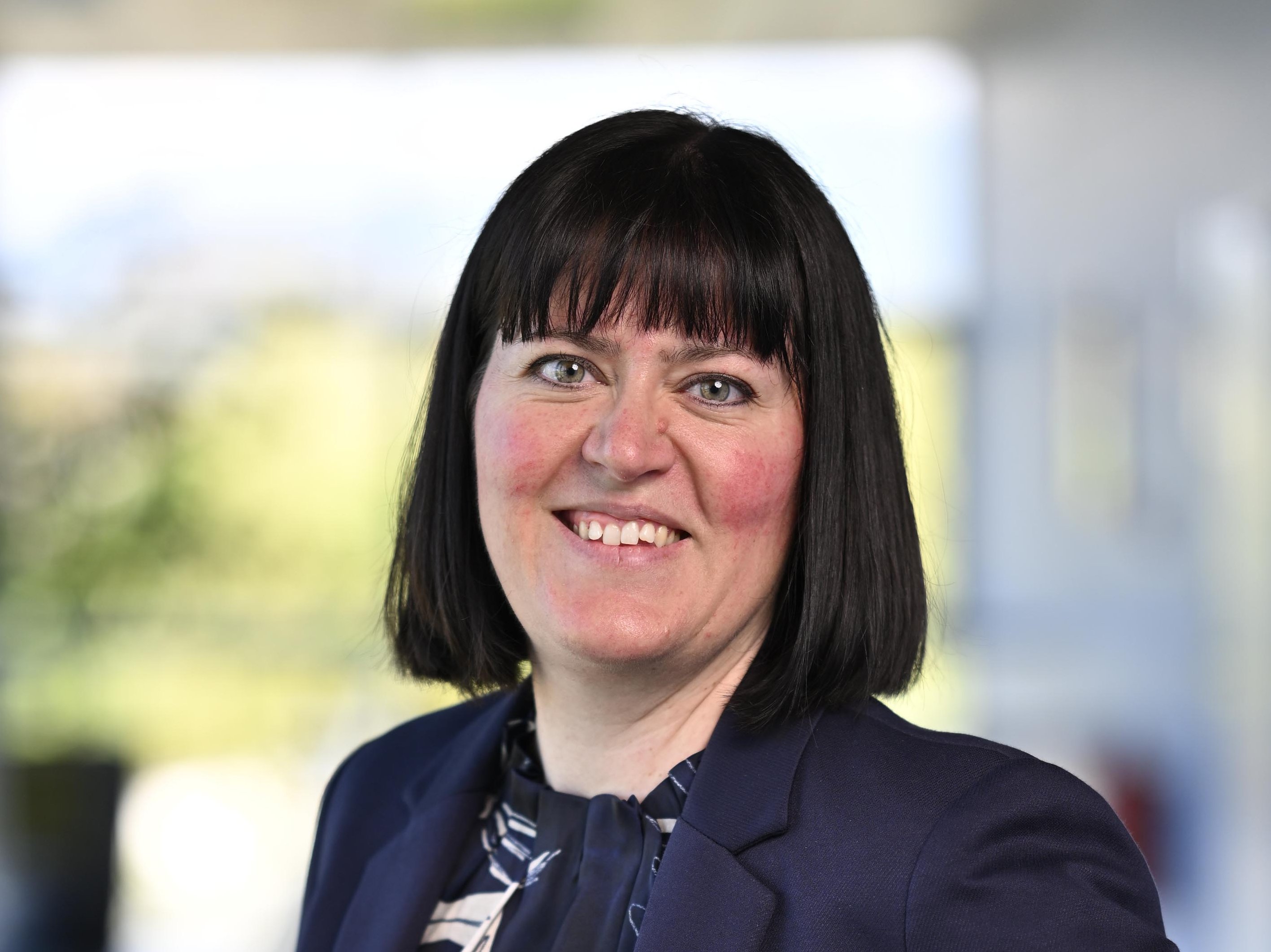
Mag. Olivia Orsolya Schütz, MA
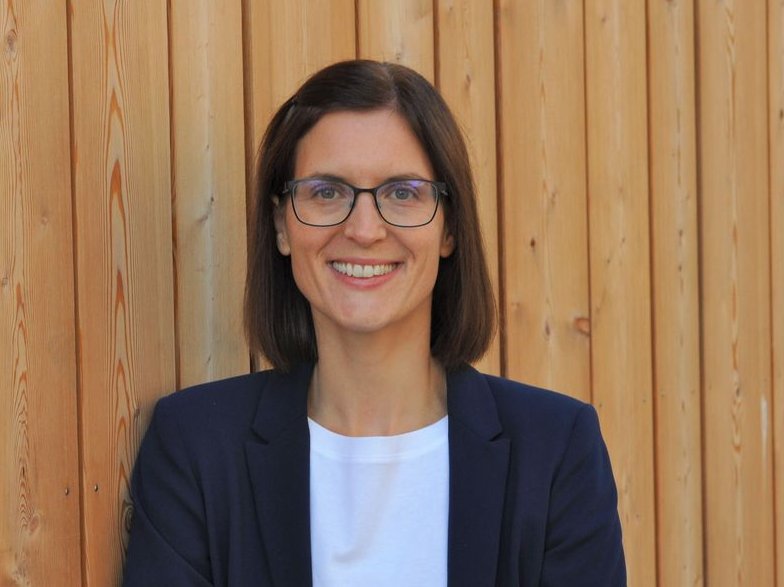
Mag. Dr. Katharina Ninaus