Content Is King… but Who’s Buying? IDMID 2026 Puts Content to the Test
More content, more channels, more AI, but not necessarily more impact. At the International Digital Marketing Inspiration Day 2026, marketing experts came together at CU - Carinthia University of Applied Sciences to explore what it takes for content to actually get noticed, create relevance and drive action.
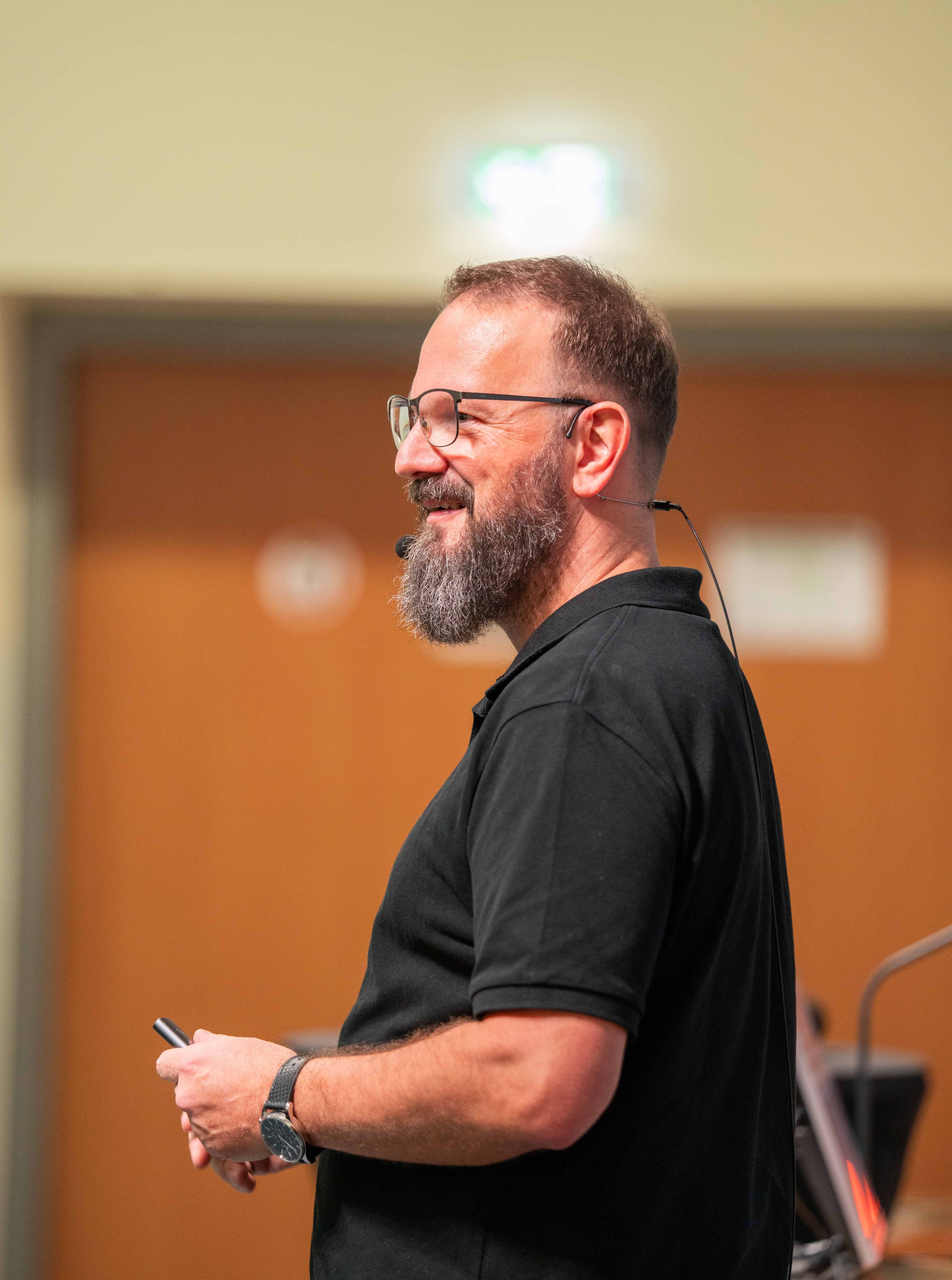
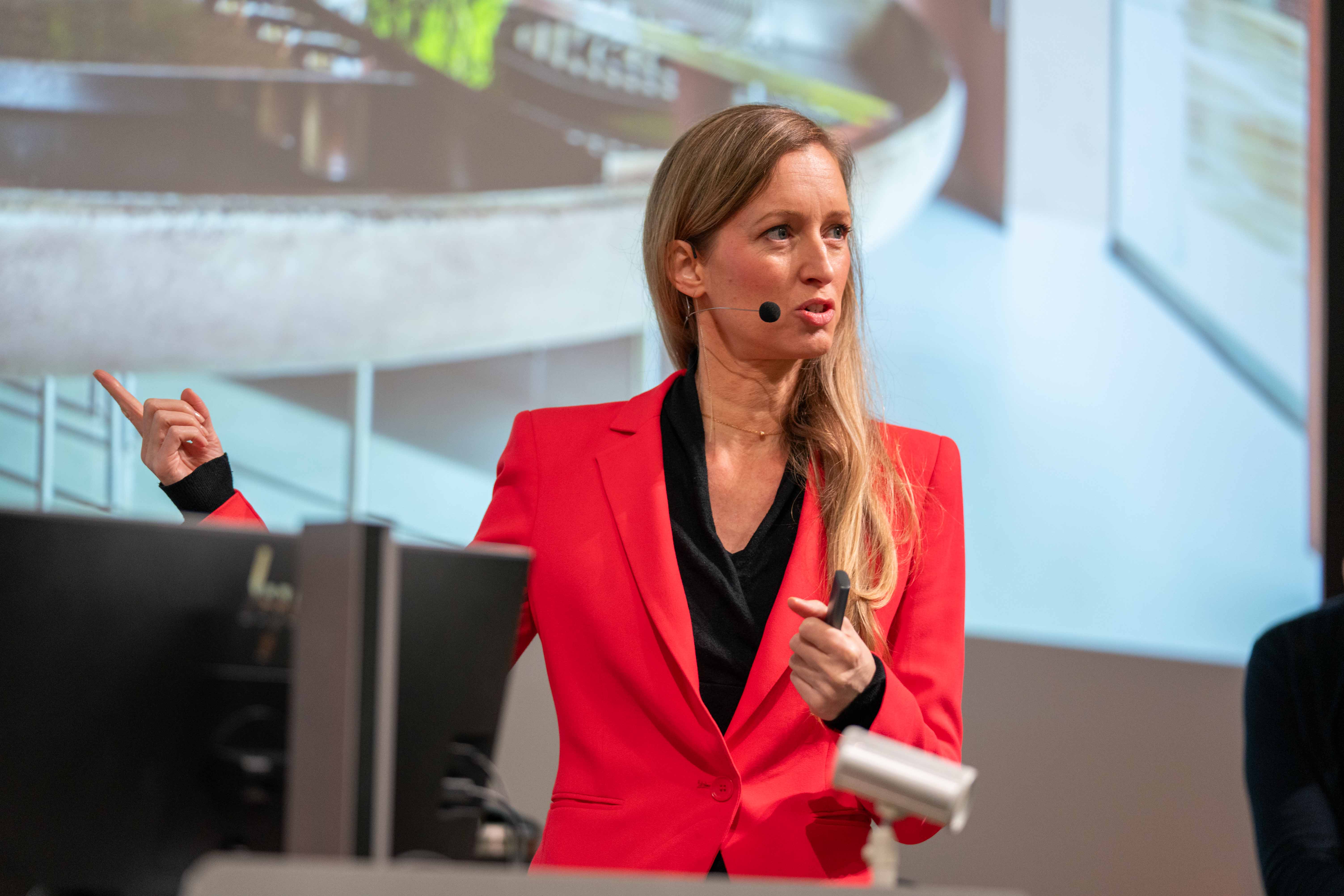
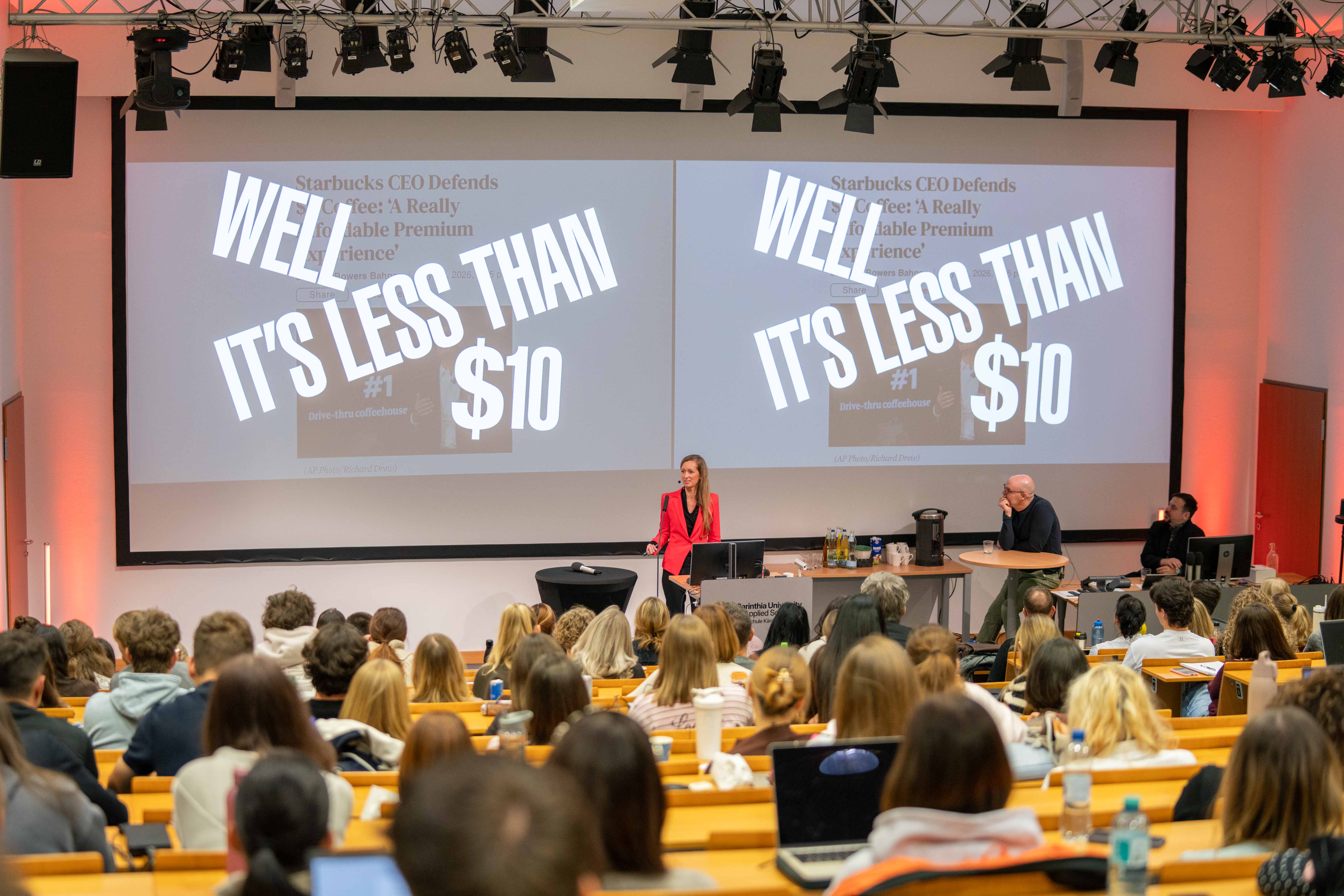
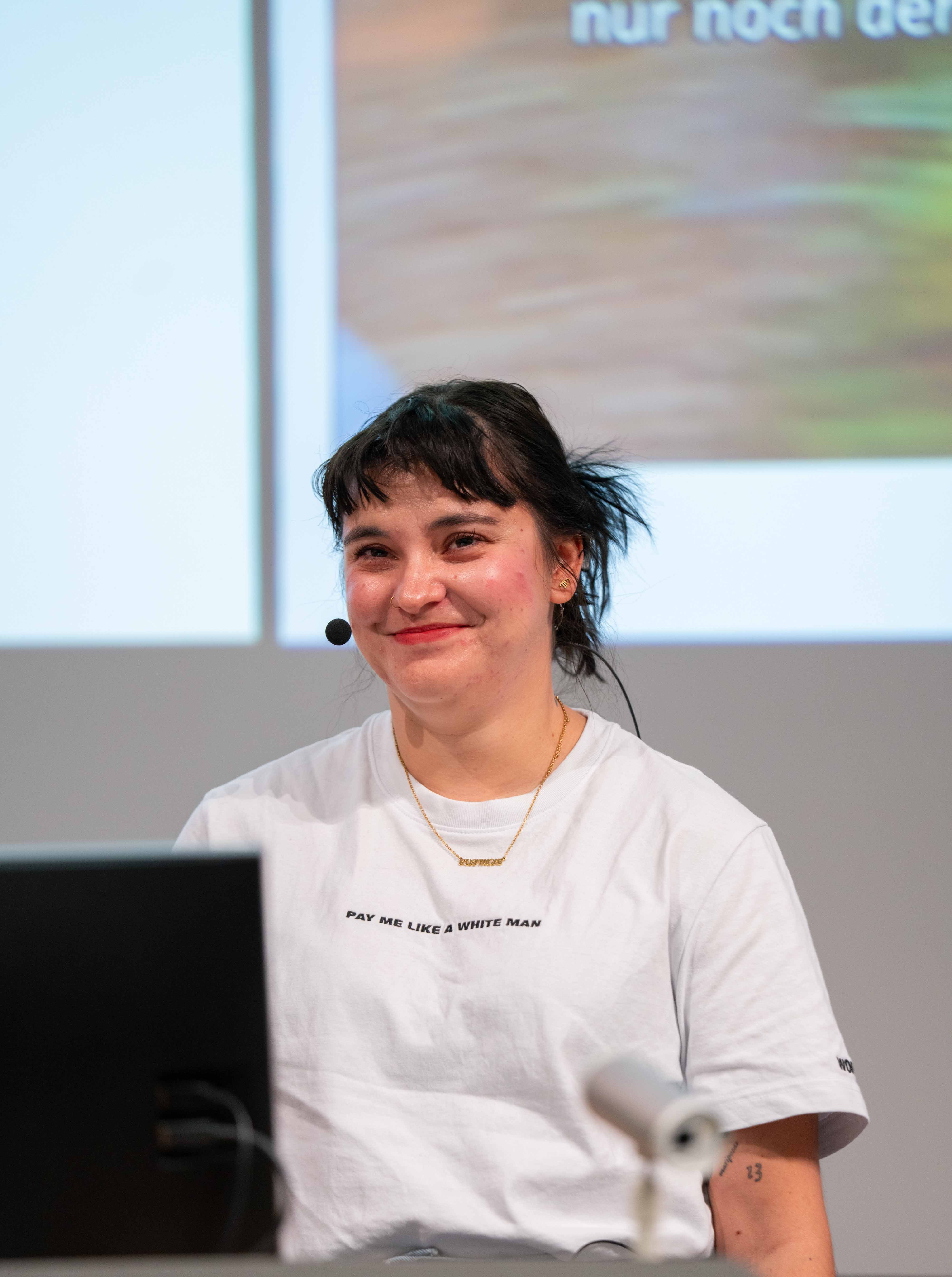
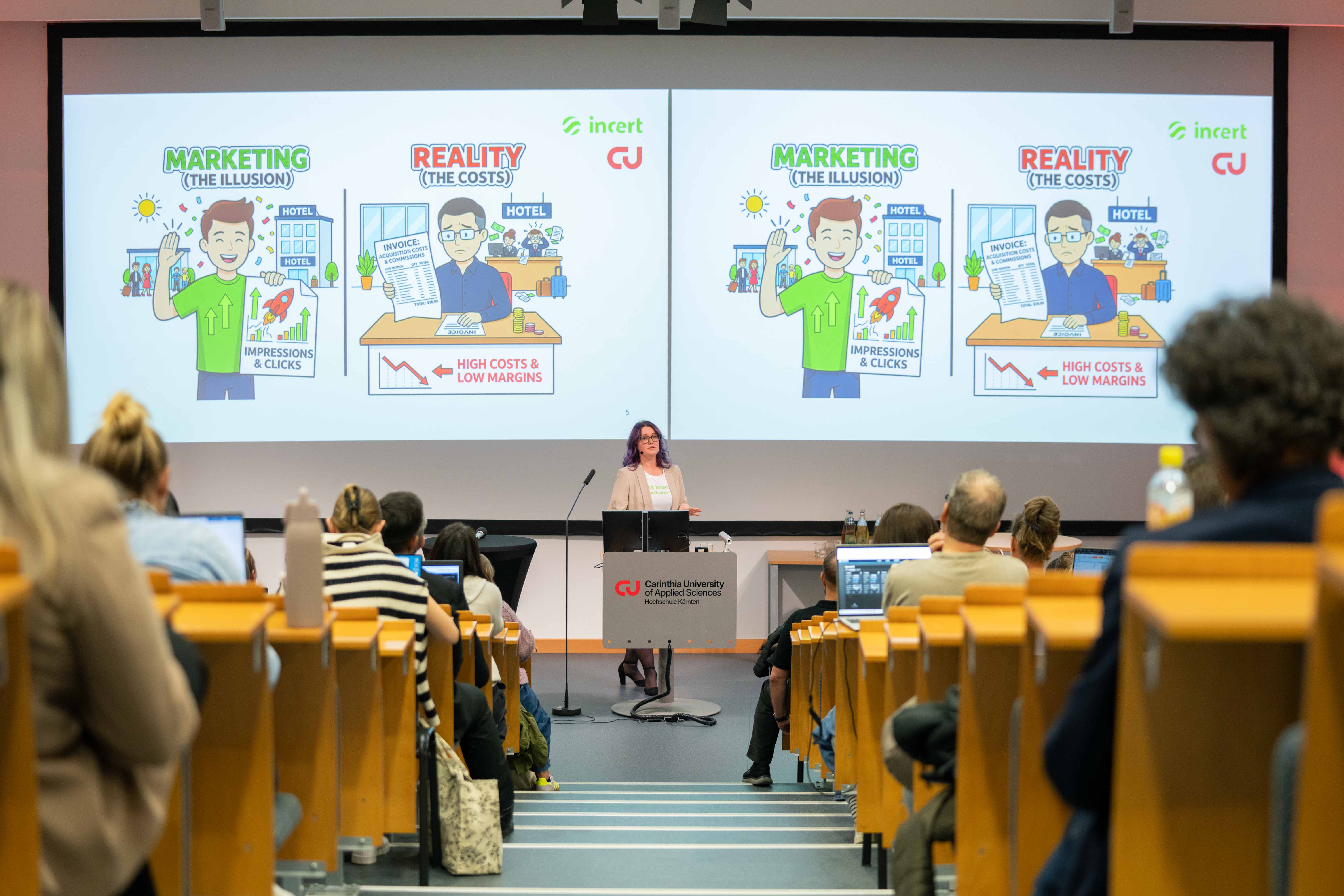
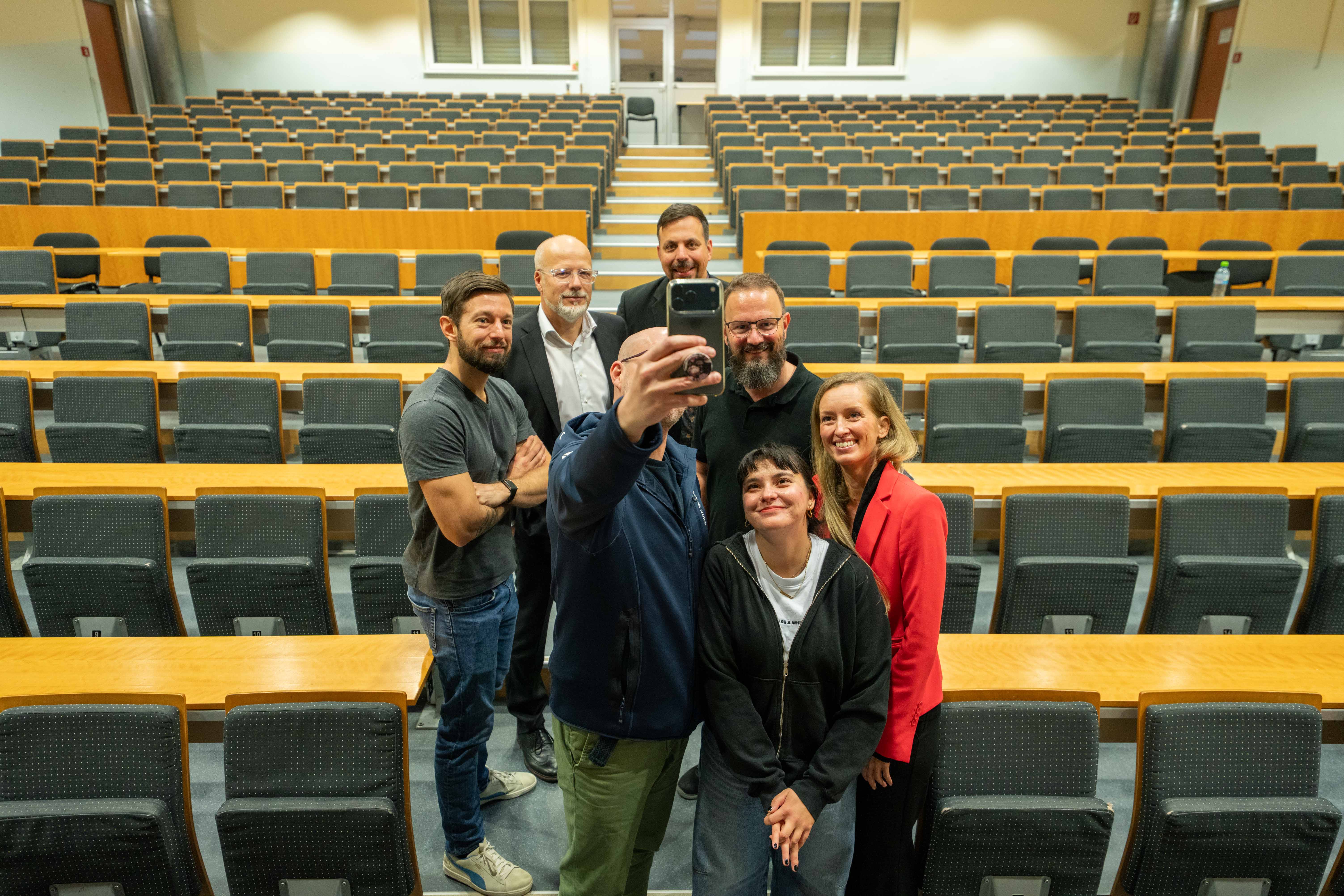
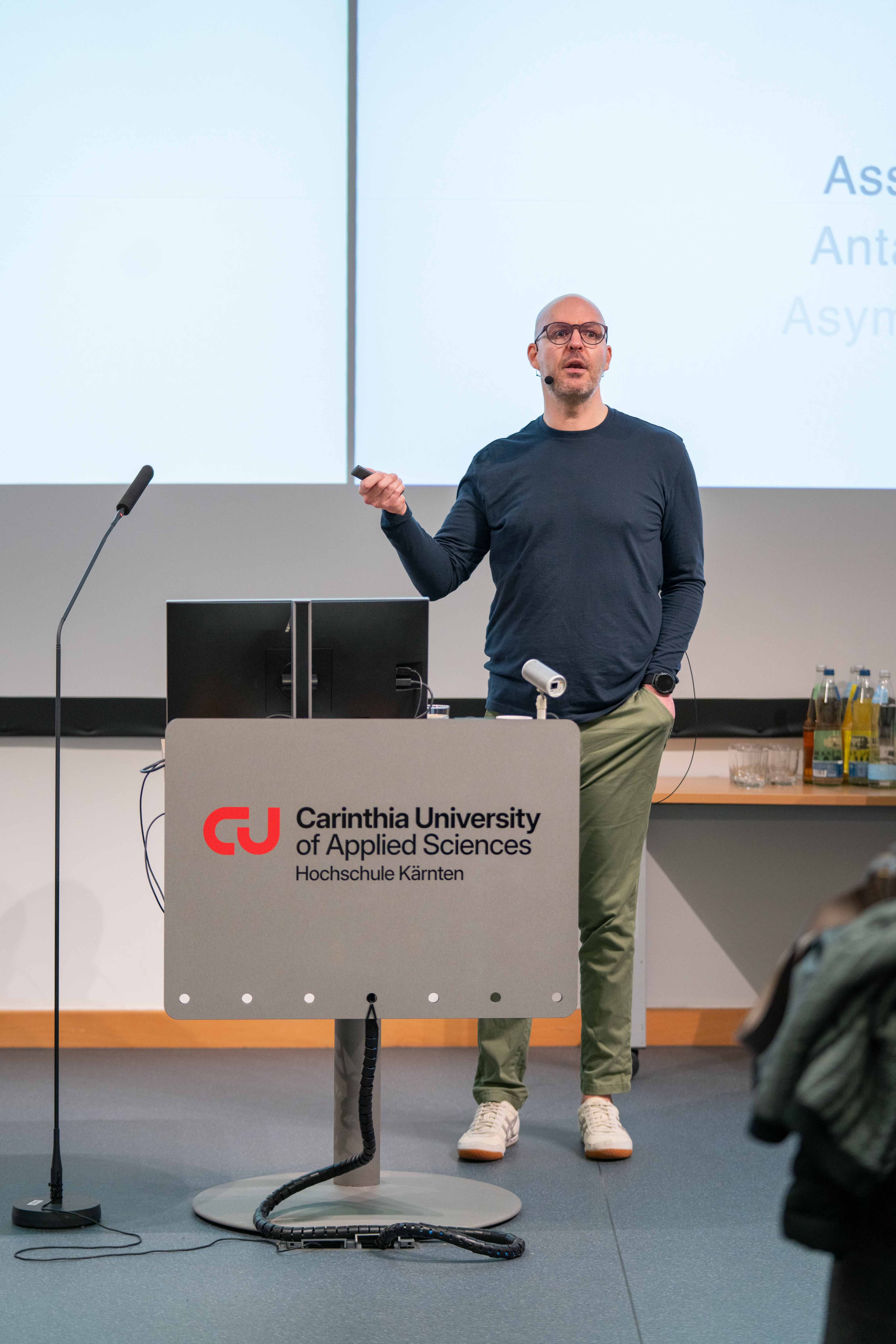
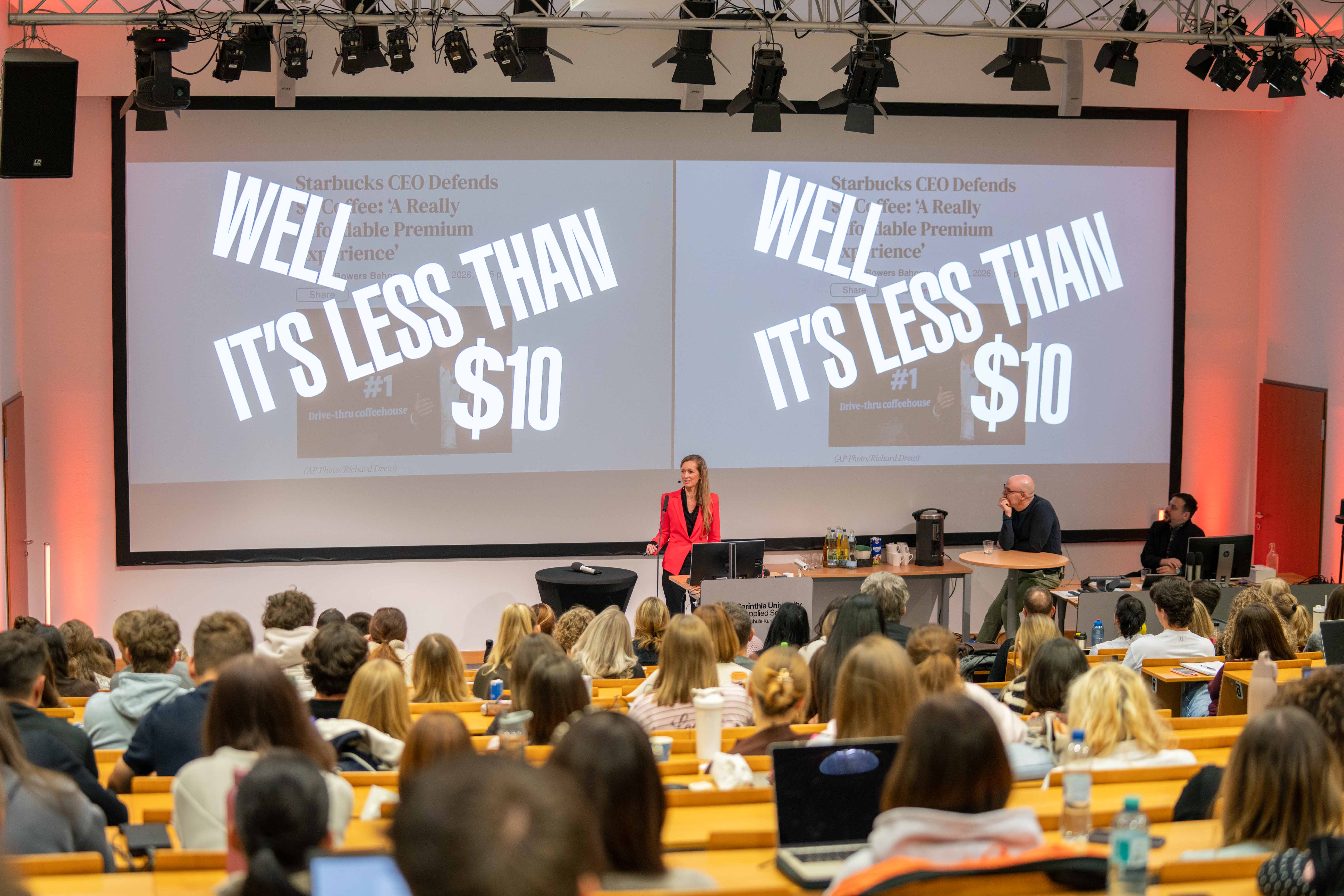
On November 3, the Audimax at Campus Villach became a meeting point for digital marketing, bringing together nearly 250 participants from academia and the business community for the International Digital Marketing Inspiration Day 2026. Under this year’s theme, “Content Is King…but Who’s Buying?”, the event focused on one of the most pressing questions in marketing today: In a world overflowing with content, what actually works?
Creating content has never been easier. AI can generate copy, images and ideas within seconds, social platforms offer an almost endless stream of formats, and brands publish at an unprecedented pace. Yet producing more content does not automatically mean creating more impact.
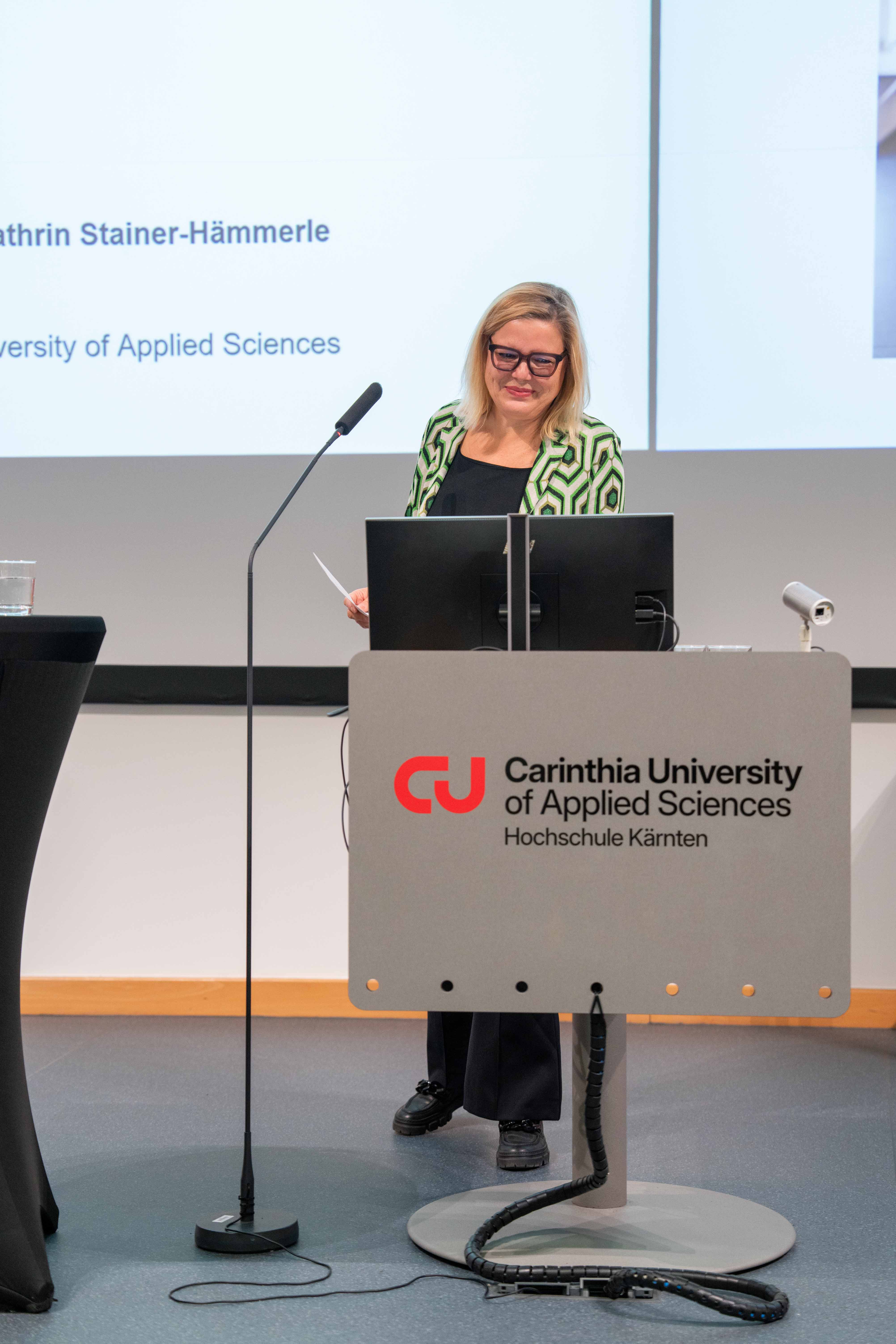
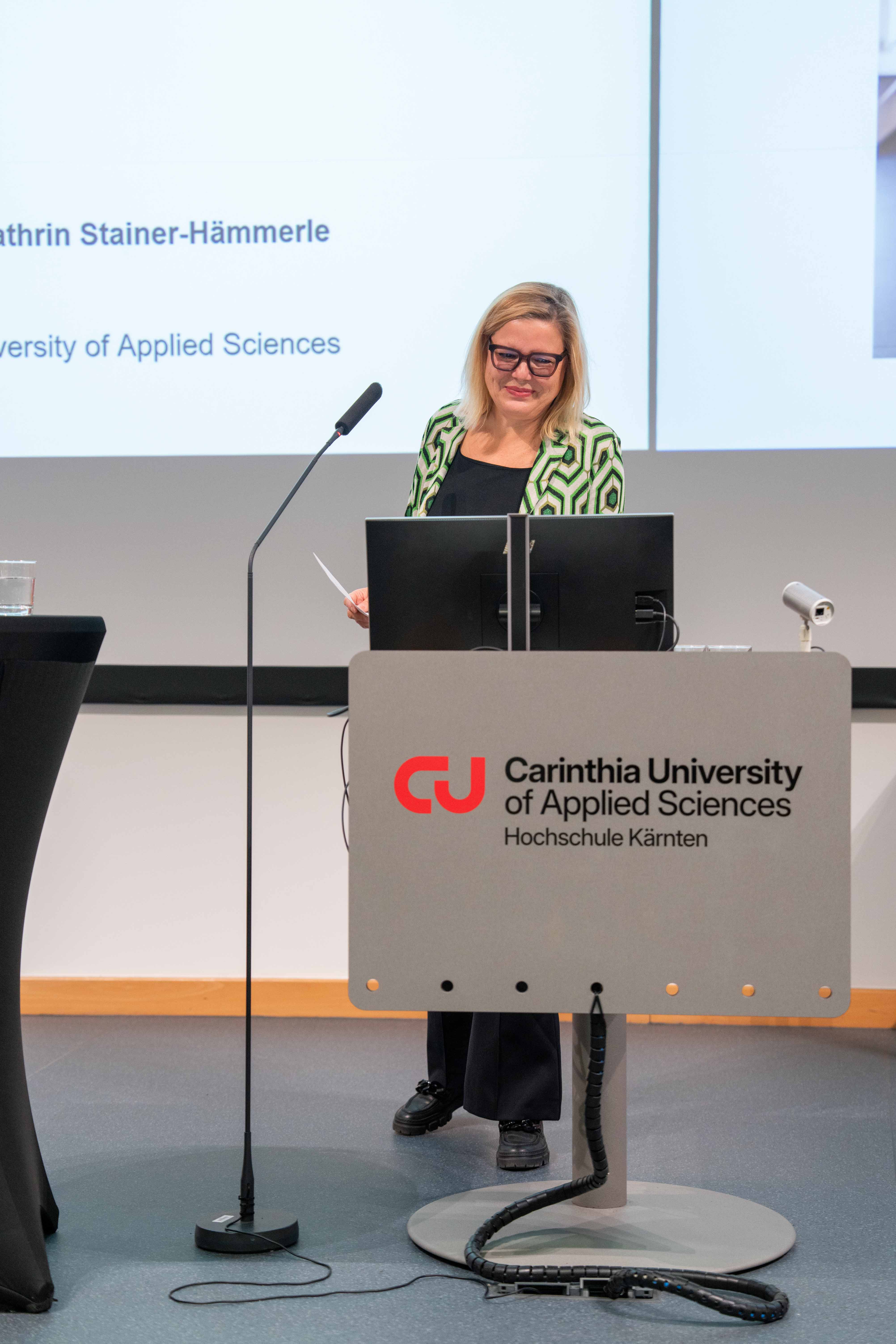
That tension shaped a full day of talks, examples and discussions at Campus Villach. The event was opened by Rector Kathrin Stainer-Hämmerle, who warmly welcomed participants before handing over to an international and interdisciplinary line-up of speakers.
Beyond the AI Hype
The opening keynote immediately challenged one of the dominant narratives in contemporary marketing. Andy Starr and Sabine Friesser of Level C took the stage with “The Other AIs: Why the Greatest Threat to Marketing Is Not AI”, broadening the conversation beyond technology and towards the strategic challenges businesses need to pay attention to.
From there, the focus shifted to one of marketing’s scarcest resources: Attention.
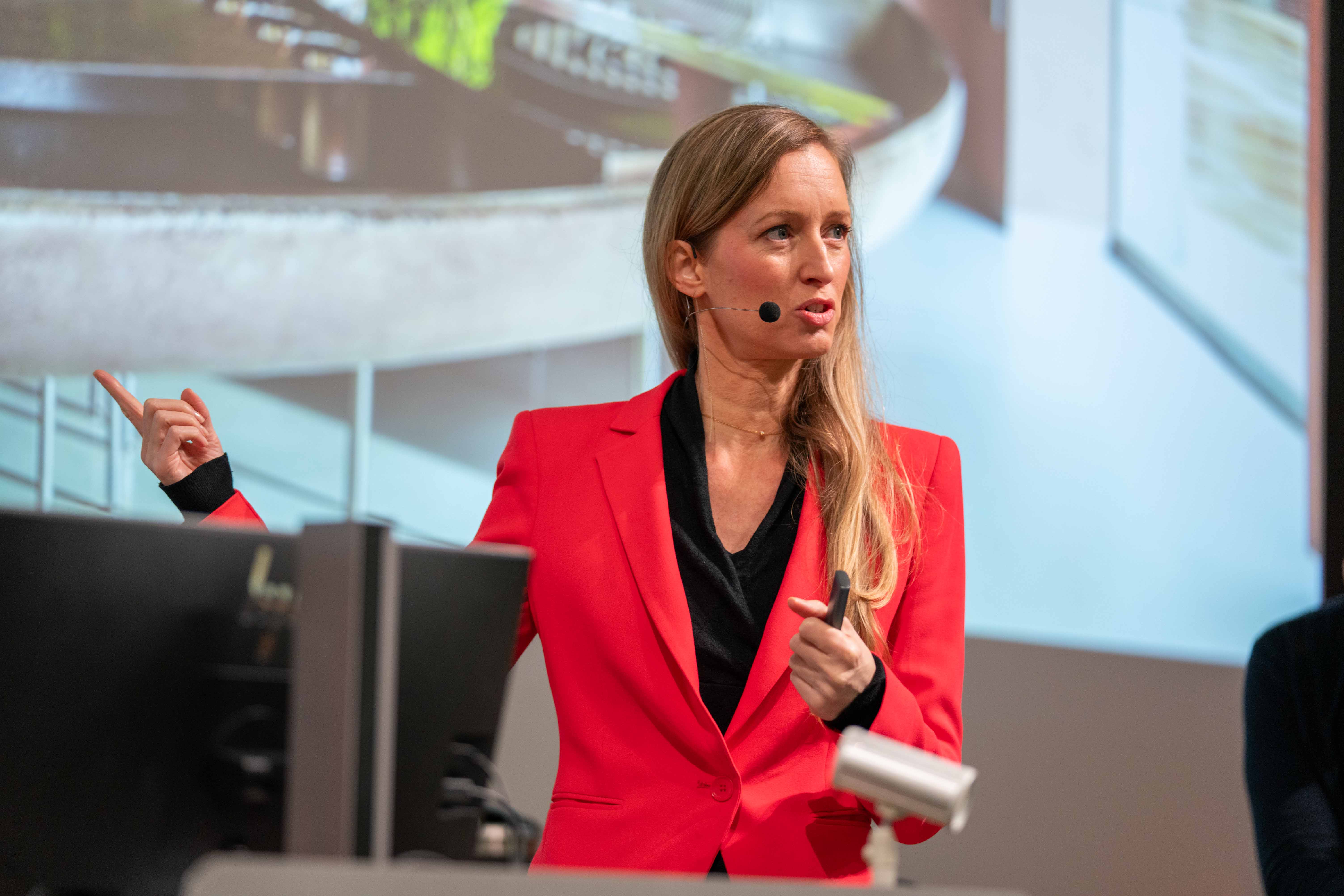
Roland Scharf asked “What’s a King without a Kingdom?”, exploring the connection between audiences, psychology, attention and AI-driven customer behavior. Nina Käfel then brought the discussion into the world of destination marketing. In “Selling Sunsets? Selling Carinthia.”, the focus was on how tourism content can move beyond beautiful imagery and turn attention into genuine desire.
Attention is only the beginning, but getting people to stop scrolling is only part of the equation.
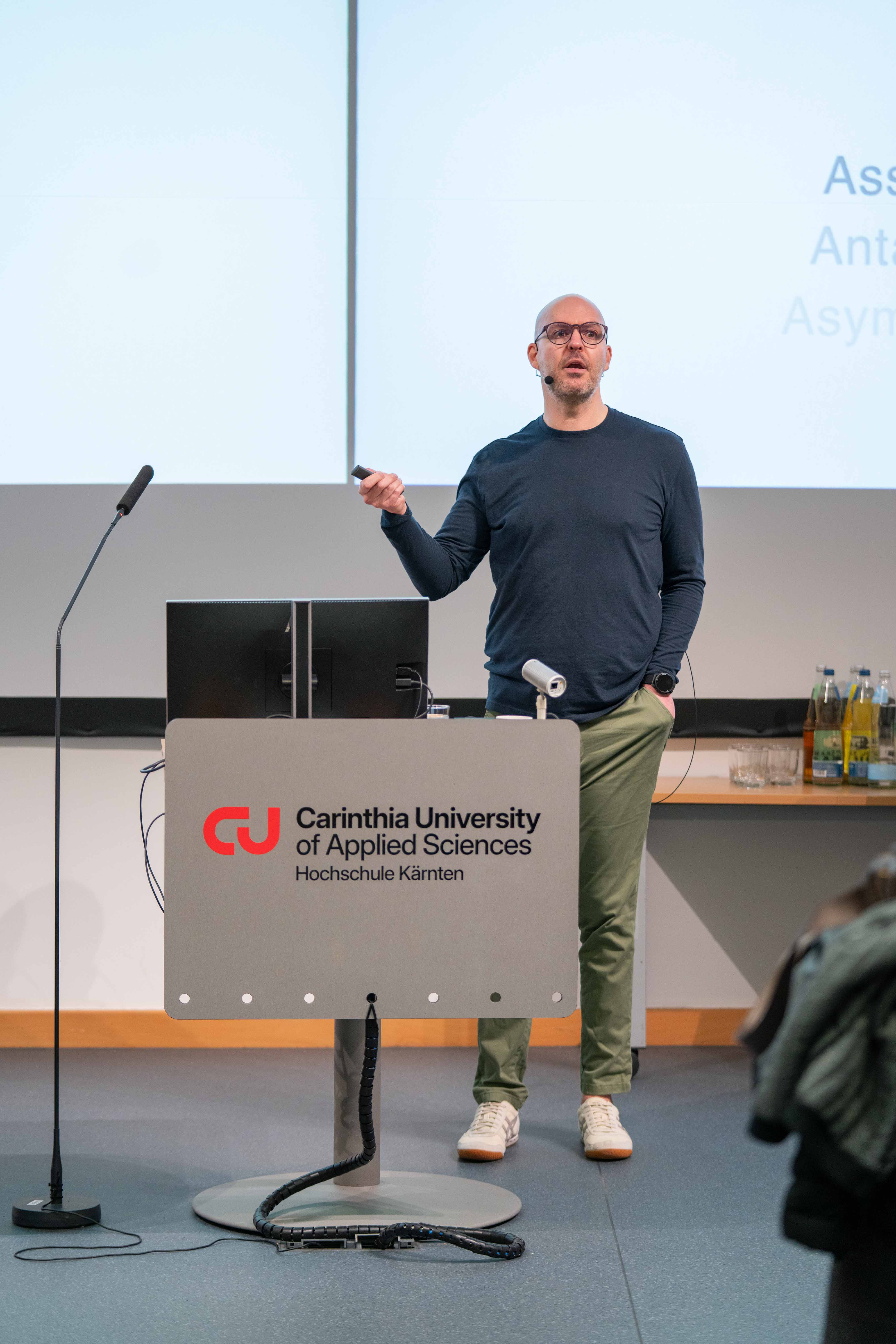
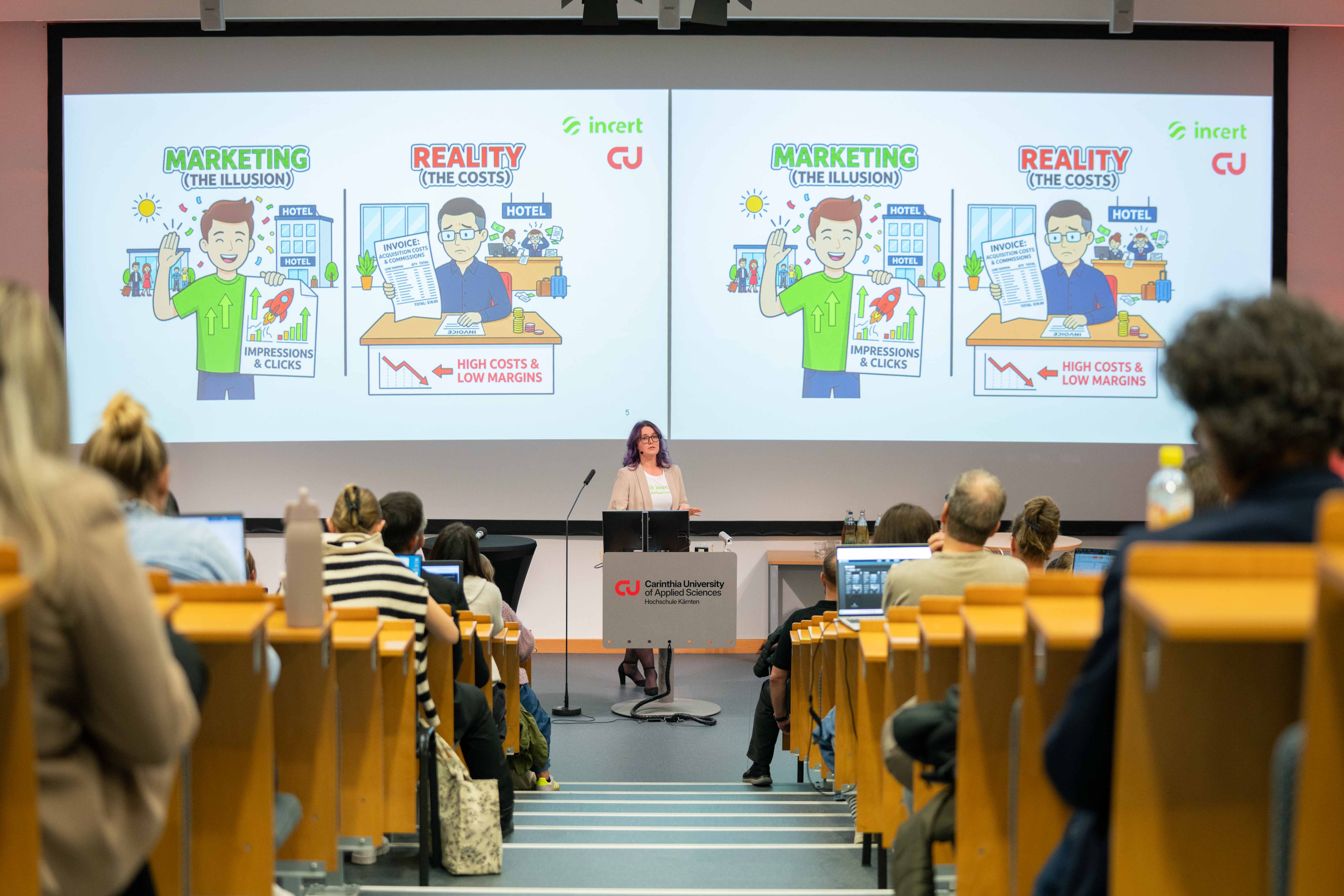
The afternoon sessions followed the customer journey further, asking what happens once attention has been won. In “From Content to Customer”, Manuel Antonitsch examined how paid media can help turn attention into qualified pipeline and connect marketing activities more closely with sales. Christina Moser approached the question from a different angle, showing in “Say Goodbye to One-Time Guests” how digital solutions can transform individual transactions into lasting customer relationships.
The program deliberately moved from capturing attention to turning attention into customers, reflecting one of the central ideas of the day: Reach and engagement only become truly valuable when they can be translated into meaningful customer and business outcomes.
So, what does great content actually get right?
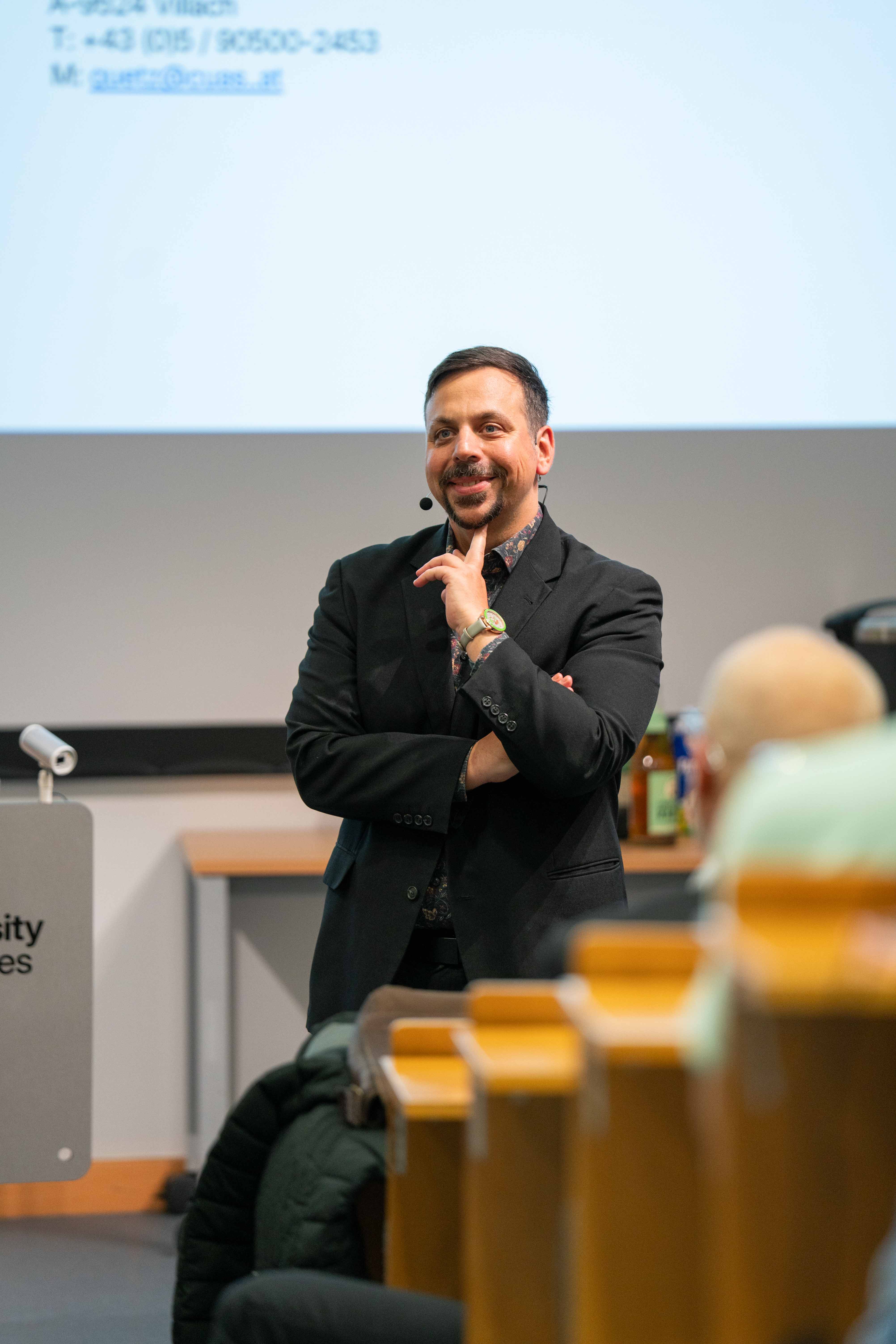
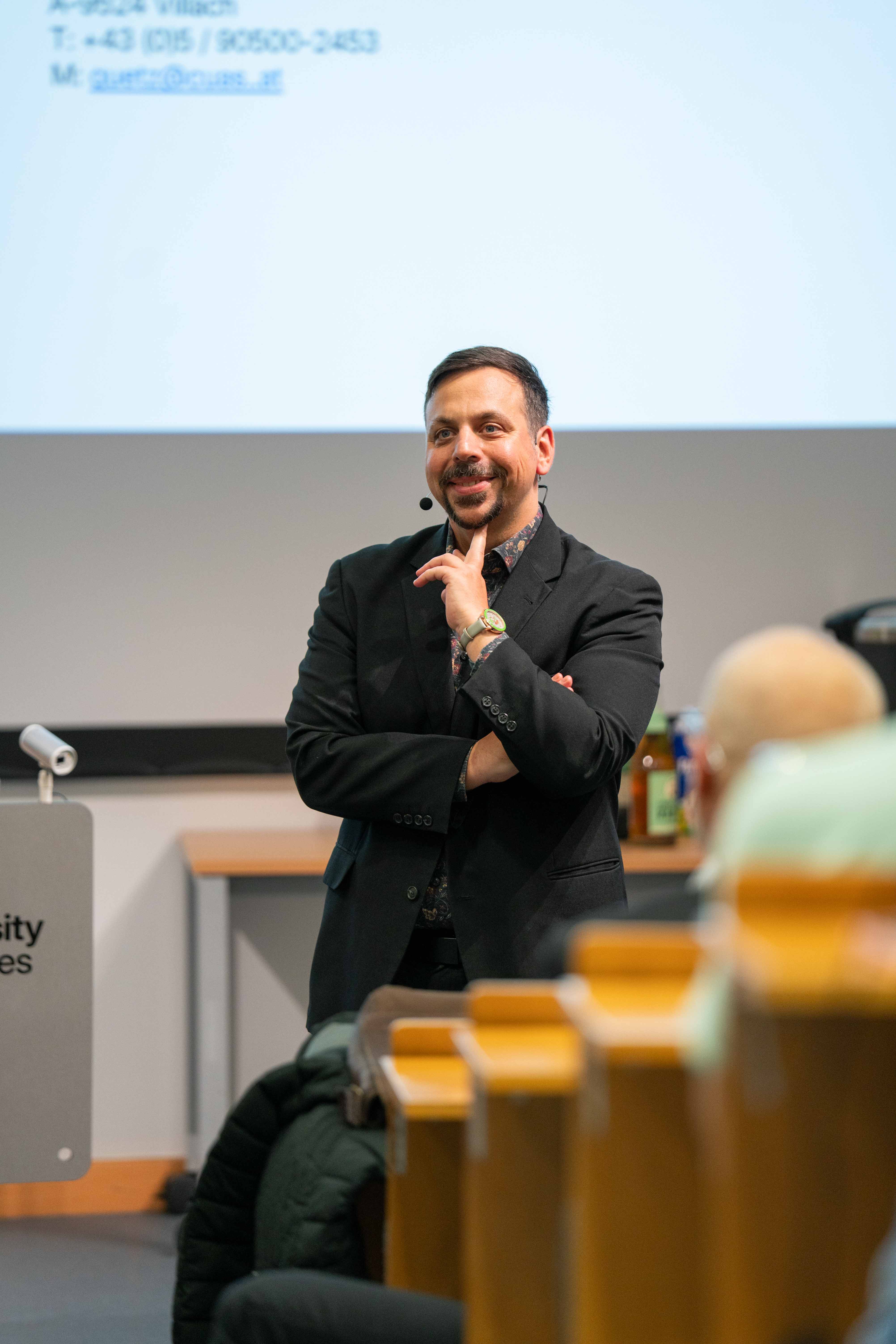
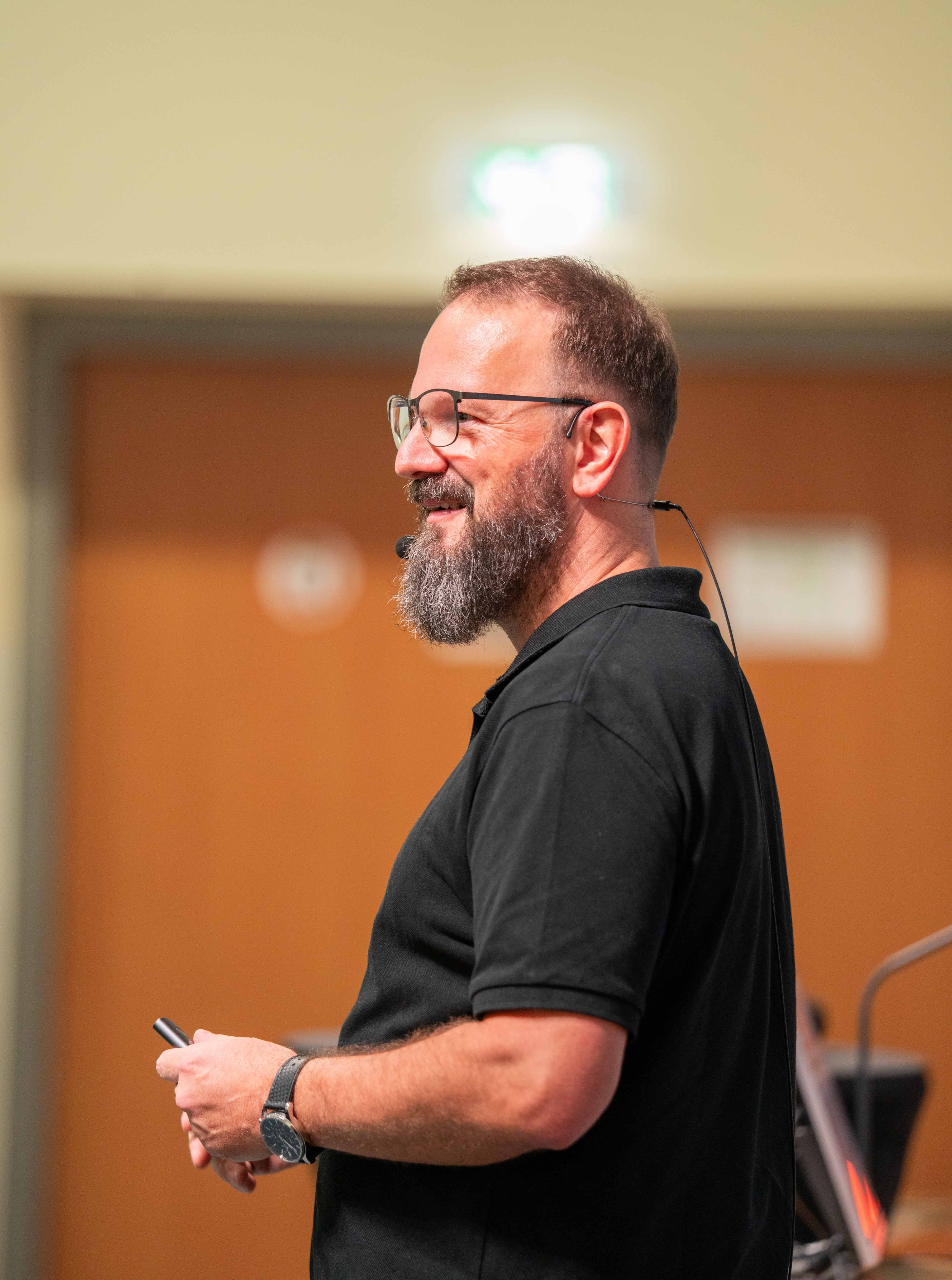
That question took center stage in Bernhard Guetz’s session “What Great Content Gets Right and What Bad Content Gets Wrong”. Rather than looking for a single recipe for successful content, the session explored the different roles content can play in influencing audiences.
Drawing on the Core Content Styles Model, the presentation distinguished between three fundamental approaches: Knowledge & Orientation, Inspiration and Entertainment. Examples ranging from Mayo Clinic, IKEA and Deloitte to Patagonia, LEGO, Airbnb, Duolingo and Netflix illustrated how very different forms of content can create value when their purpose is clear.
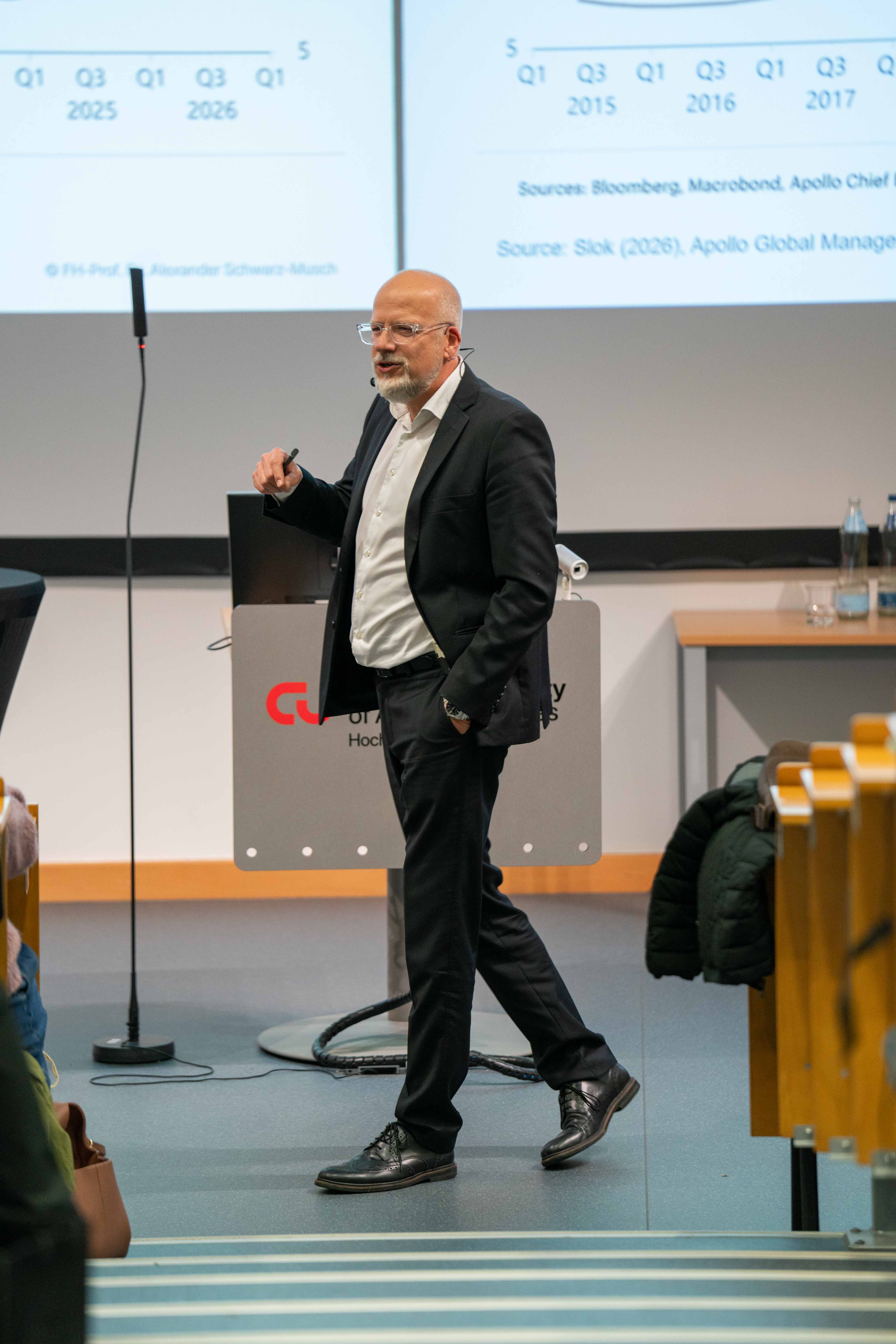
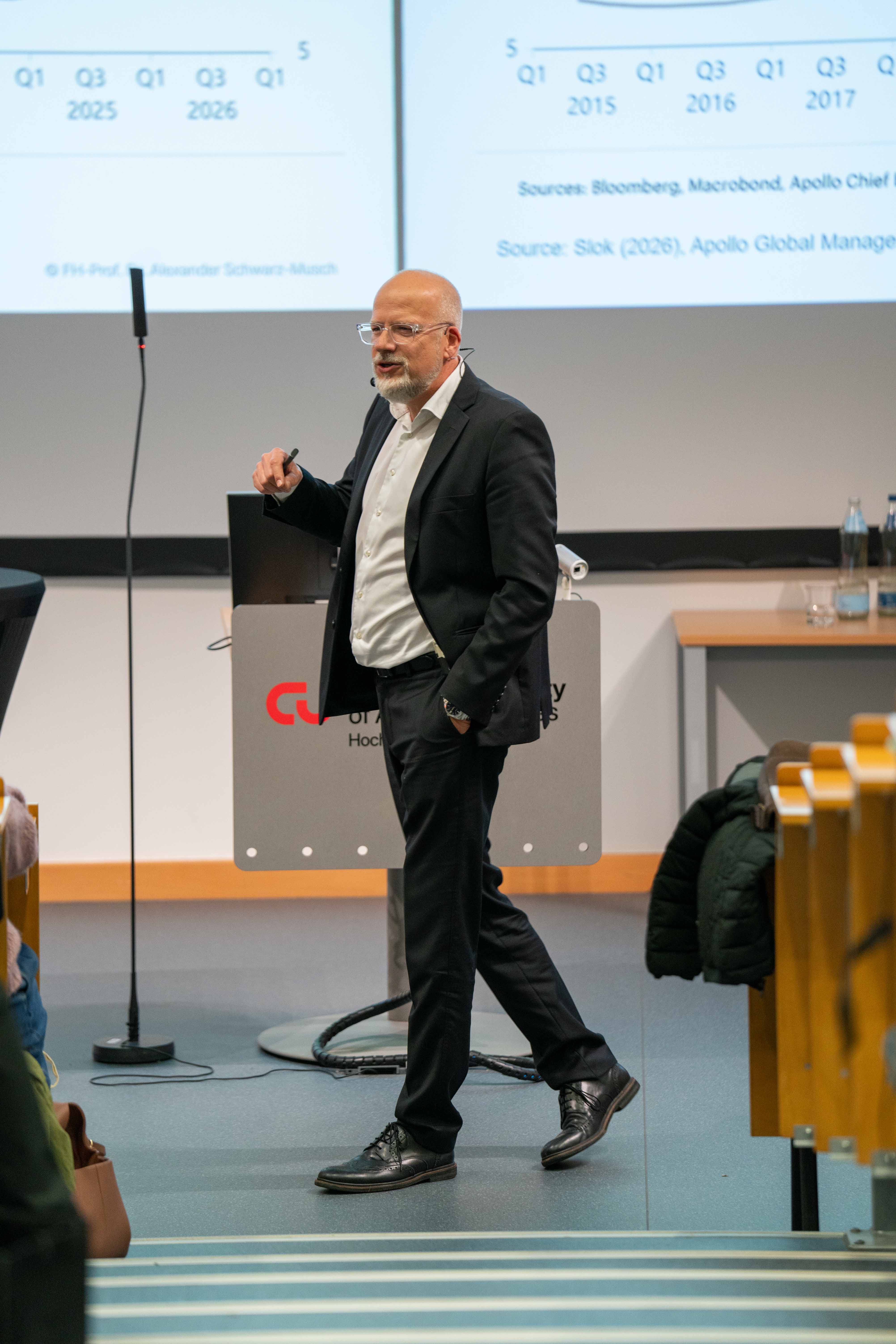
The day concluded by looking beyond content itself. In “The Blind Spot in Your AI Strategy: Six Ways AI Is Changing Markets”, Alexander Schwarz-Musch shifted the perspective from using AI inside organizations to understanding how AI is reshaping customers, competitors, markets and value chains.
Content is still king. But content alone is not enough.
Across very different industries and perspectives, a common thread emerged throughout IDMID 2026: successful digital marketing does not begin and end with content production.
It requires an understanding of audiences and customer journeys. It requires creativity, credibility and relevance. It requires the right distribution and media strategy. And increasingly, it requires businesses to understand how AI is changing not only the way content is created, but also the markets in which that content needs to perform.
Content may still be king. But without the right audience, strategy and route to the customer, even the king rules an empty kingdom.
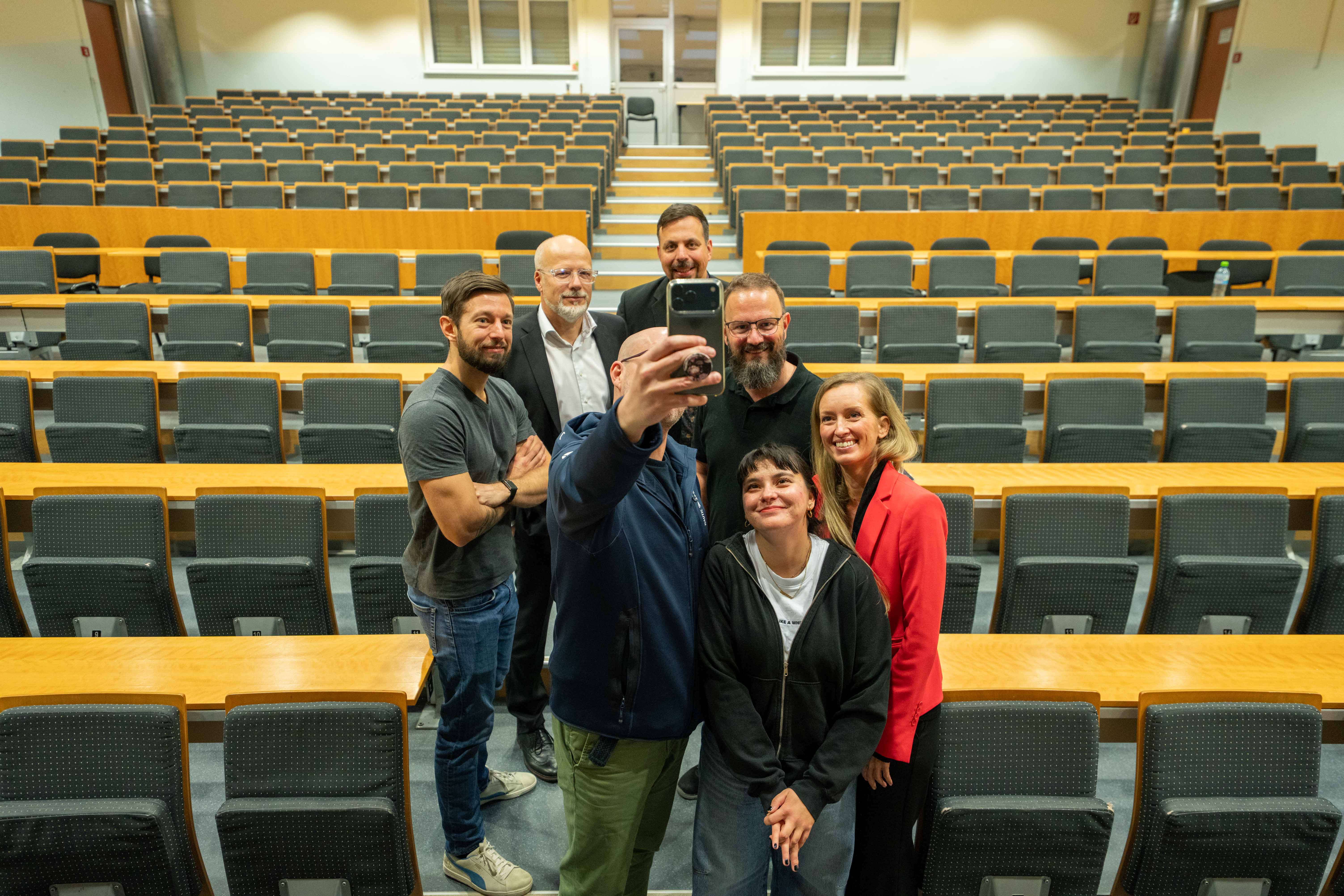
With nearly 250 participants from academia and business coming together at Campus Villach, IDMID 2026 once again provided a platform for connecting current marketing practice with research, teaching and new perspectives on where digital marketing is heading next.
Looking ahead to IDMID 2027
And the conversation will continue. Following this year’s event, the International Digital Marketing Inspiration Day is planned to return to Campus Villach in 2027, once again bringing together academia, business and the next generation of digital marketers to explore the ideas, technologies and developments shaping the future of the field.