

From Theory to Practice: How ACE²-EU is Shaping Student Entrepreneurs
Three students from CU Hochschule Kärnten share their experience of the first Transnational Student Entrepreneurship Traineeship Week 2026 – and how technical ideas can develop into entrepreneurial concepts.
Universities provide academic knowledge, but they can also create spaces in which new ideas are developed, tested and transformed into practical solutions. This is one of the core ideas behind the European university alliance ACE²-EU: bringing academic learning closer to real-world challenges while fostering innovation, entrepreneurship and international collaboration across European campuses.
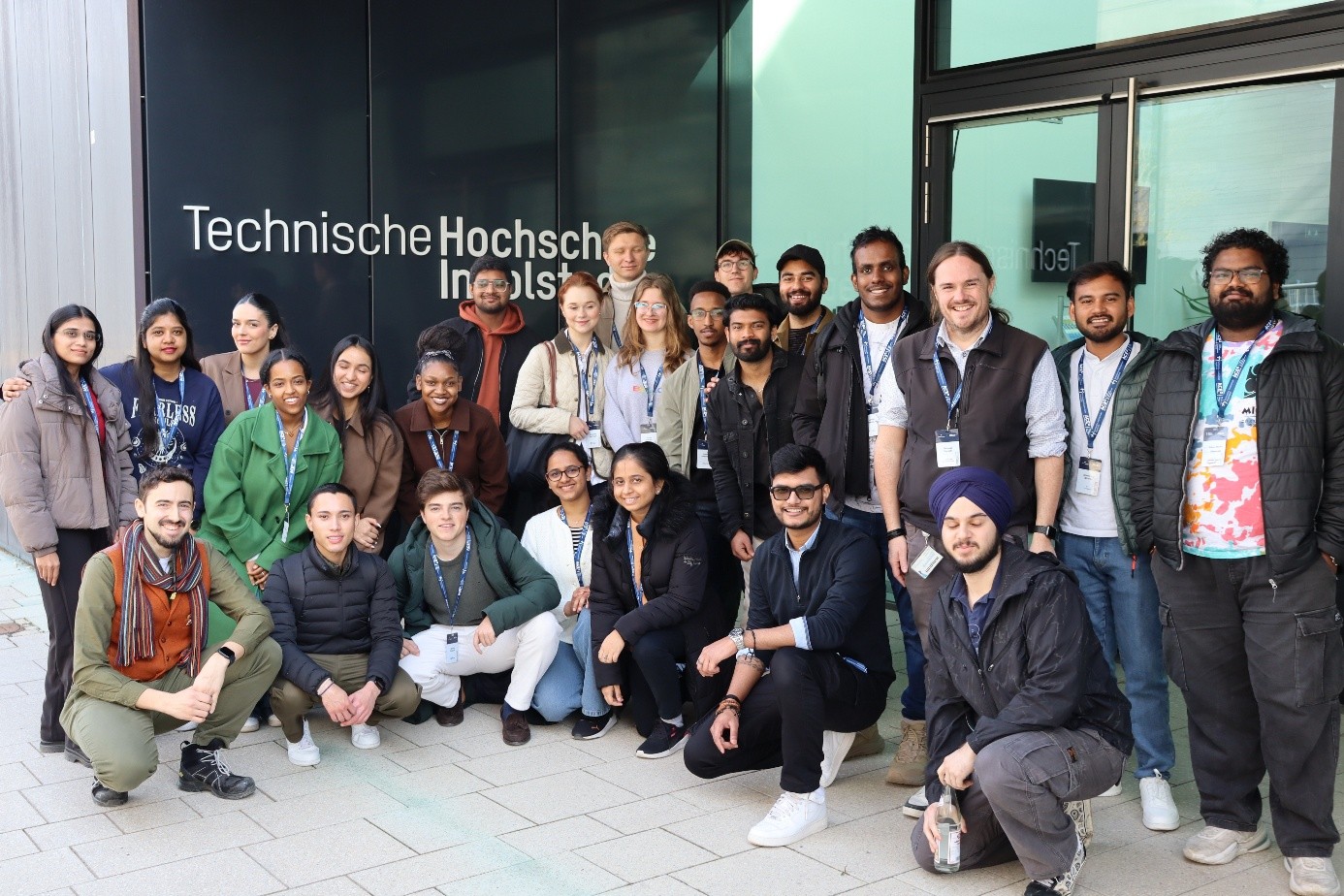
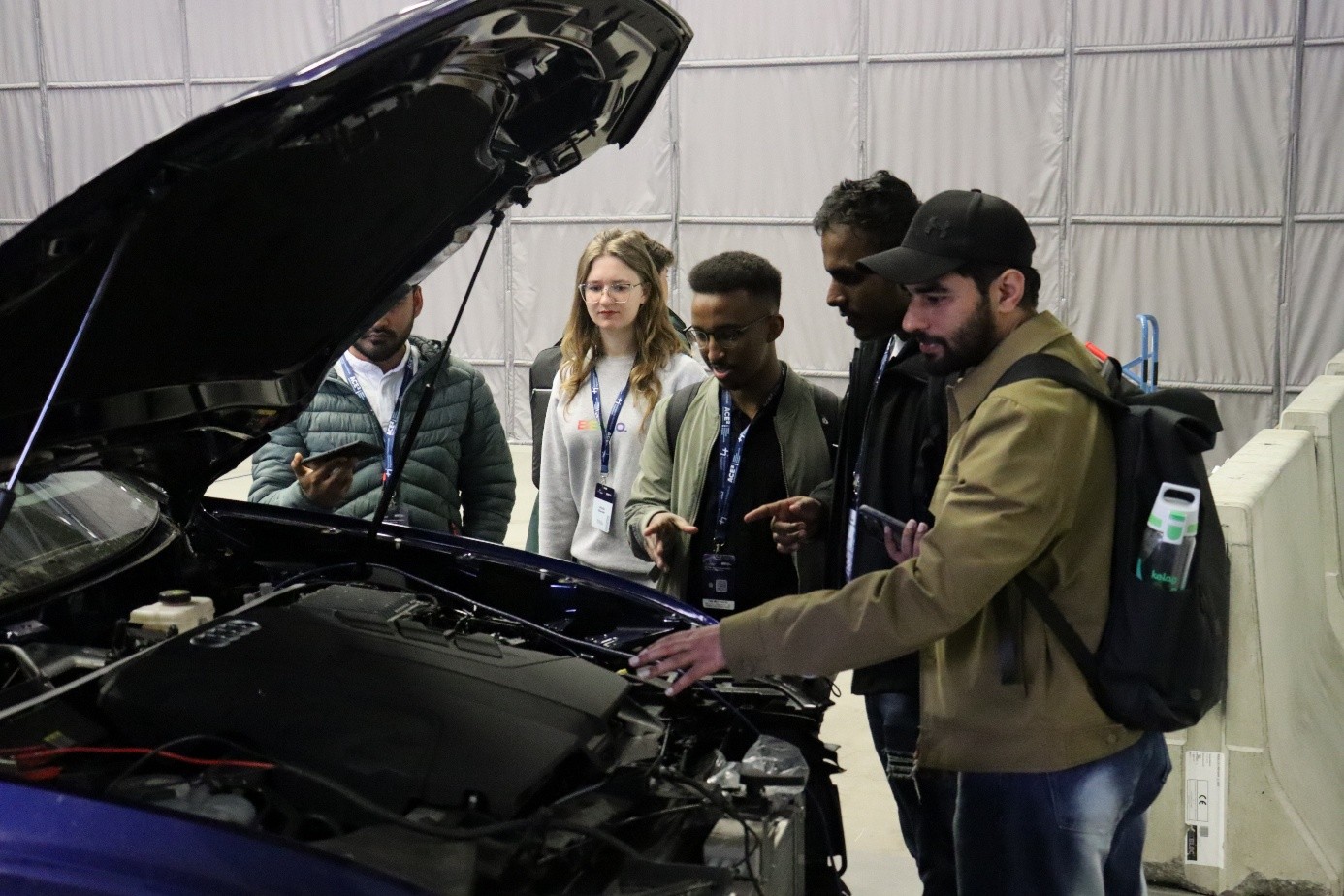
The first ACE²-EU Transnational Student Entrepreneurship Traineeship Week 2026 demonstrated what this can look like in practice. Students from different disciplines and European countries worked together to identify societal challenges and turn their ideas into viable business concepts. The focus was on hands-on experience, learning, building and connecting across borders.
Stepping outside the technical comfort zone
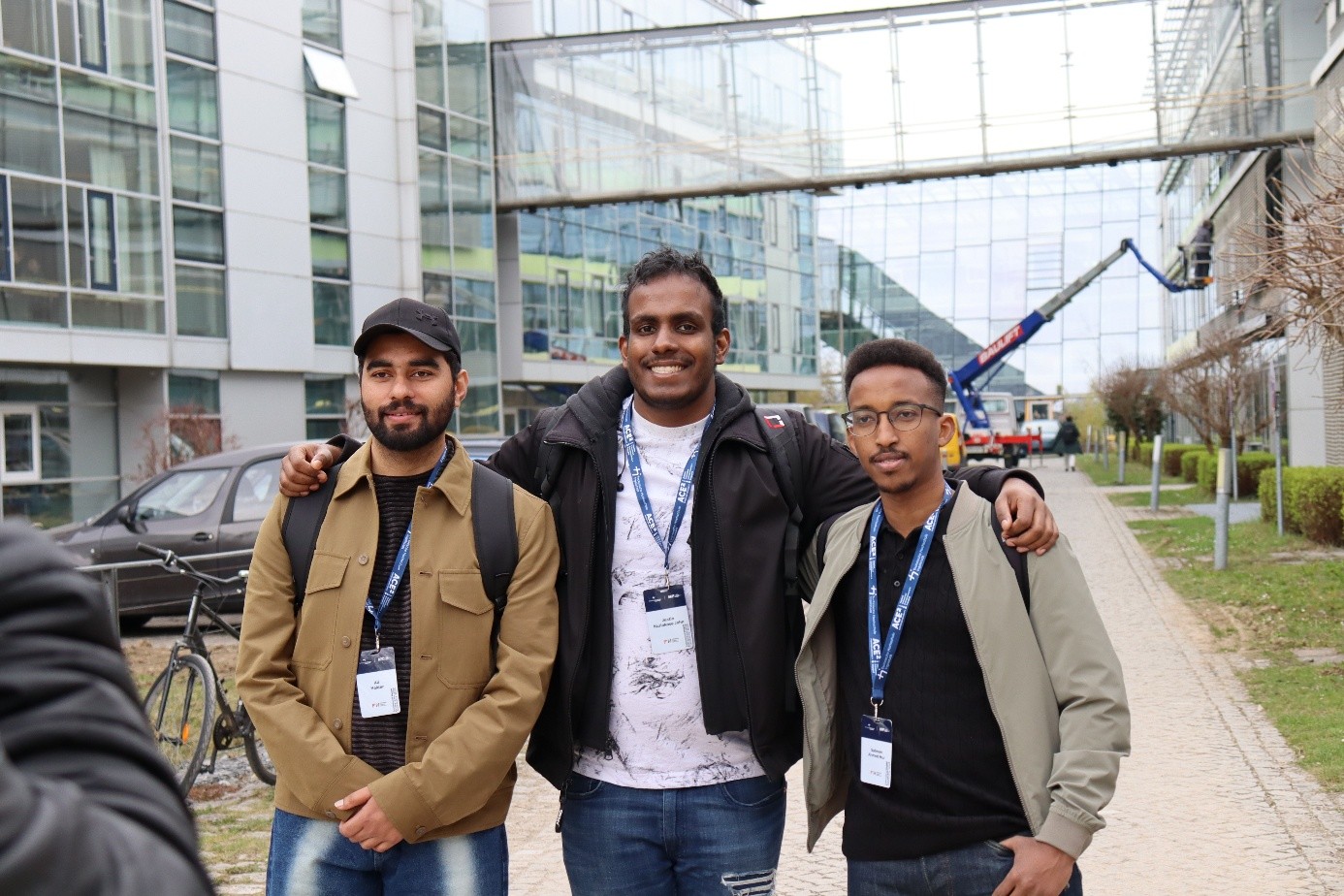
Among the participants were Haider Ali, Justin Kuriakose John and Salman Ahmed Nur, who all study Electrical Energy and Mobility Systems at CU Carinthia University of Applied Sciences | Hochschule Kärnten.
For them, the Traineeship Week offered an opportunity to add a new perspective to their technical education: How can an idea become a solution? What do potential users actually need? And what does it take to turn a technical concept into a potential business model?
Justin saw the programme as a “unique opportunity to learn something beyond my technical studies”. Haider wanted to gain international experience and collaborate with people from different backgrounds. Salman joined with a clear objective: to “unlock entrepreneurial potential” by learning from people with real-world business experience.
A central role in this process is played by the ARIES Incubator – Applied Research, Innovation and Entrepreneurship Support within ACE²-EU. It connects applied research and academic knowledge with practical support for innovation and entrepreneurship.
From idea to pitch
Working with mentors was one of the most valuable parts of the experience. Haider described it as one of the most memorable elements of the week. The mentoring process helped the teams question their assumptions, refine their ideas and gradually turn them into more realistic concepts.
One example was UrbanVolt: a portable solar solution designed for people living in rented homes who are usually unable to install permanent solar systems. The concept is designed to move with its users from one apartment to another while also providing backup power during blackouts.
Turning the initial idea into a convincing pitch was challenging. For Salman, however, this was an important part of the learning process. Working through obstacles helped the team improve the concept and develop valuable problem-solving skills.
Entrepreneurship starts with an idea
Before taking part, the three engineering students had limited experience with start-ups and entrepreneurship.
Haider said he learned a great deal about entrepreneurship and specifically about how to build a start-up. Justin similarly explained that he previously “did not have much idea about startups”. The programme helped him realise that “it is possible to develop an idea into a real product”.
Along the way, participants learned how to identify customer needs, challenge assumptions and present their concepts with greater confidence.
New perspectives through international collaboration
The international dimension of the programme proved equally valuable. Students with different educational backgrounds, professional experiences and future ambitions worked together on common challenges.
Haider particularly appreciated this diversity, noting that “everyone has a different background, education, job and future goals”. These differences encouraged participants to approach problems from perspectives they might otherwise not have considered.
For Salman, one of the most important lessons was also learning to deal differently with failure:
“My journey with ACE²-EU taught me that failure is not something to fear but an important part of growth.”
His advice to other students is to challenge their own assumptions, remain open to feedback and not be afraid to share their ideas.
“Apply without hesitation”
All three students encourage others to take part in future ACE²-EU programmes.
Justin advises students to “apply without hesitation”, even if they have no previous business experience. Salman recommends joining “with an open mind” and being willing to share ideas. Haider’s message is equally clear: take the opportunity to learn, explore and see things from other people’s perspectives.
For Justin, the experience ultimately “changed my perspective about innovation and entrepreneurship”.
Through direct access to mentoring, practical learning and an international community, ACE²-EU gives students the opportunity to combine their academic expertise with entrepreneurial thinking – and to turn initial ideas into potential solutions for real societal challenges.
More Traineeship Weeks ahead
Six further Transnational Student Entrepreneurship Traineeship Weeks are envisaged over the next two years.
In 2027, events are planned at CU Hochschule Kärnten, LIK in Lithuania and UPS in Portugal. For 2028, the proposed destinations are UFV in Spain, LKA in Latvia and UGD in North Macedonia.
An article by Farid Aliyev, ACE²-EU Student Board Representative at CU Hochschule Kärnten