
Carinthia’s Universities and Protected Areas Join Forces for Research, Education, and Sustainability
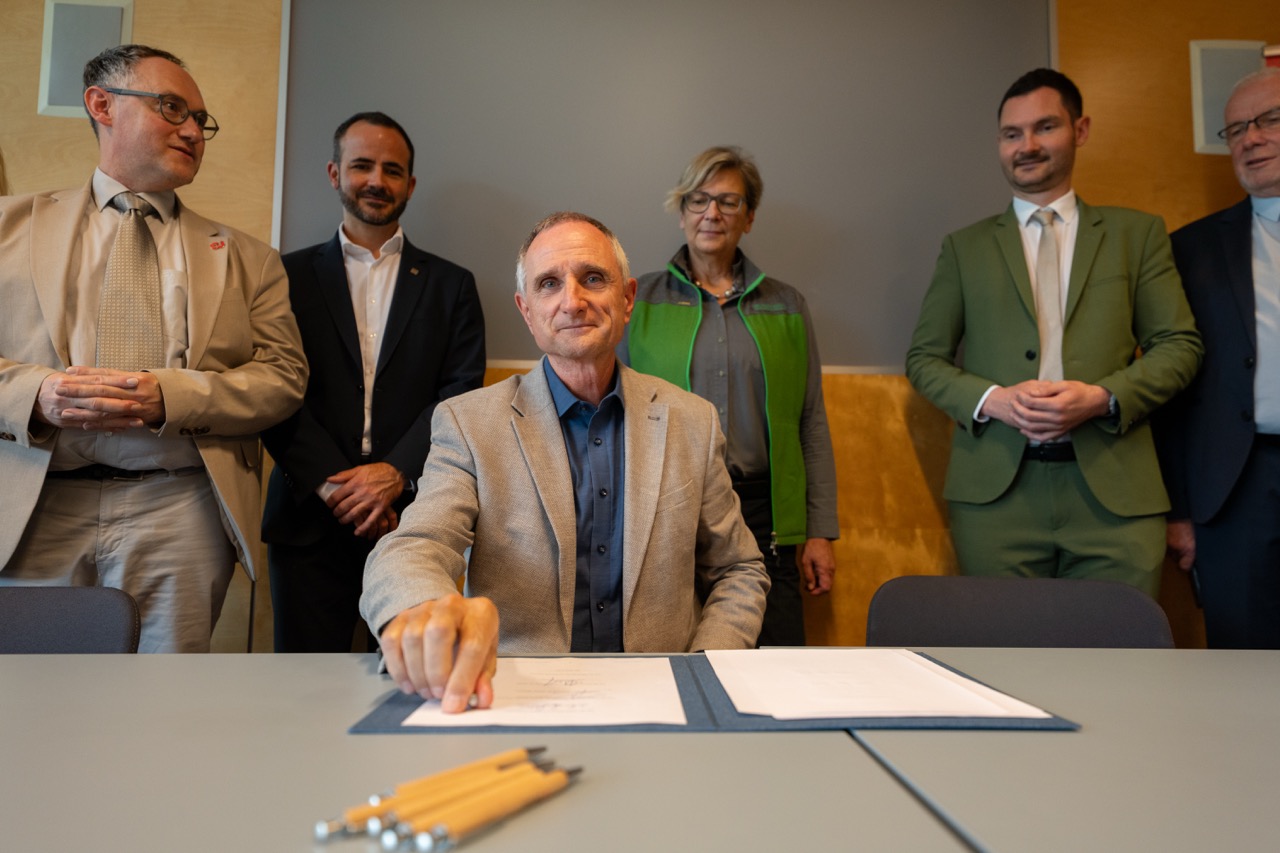
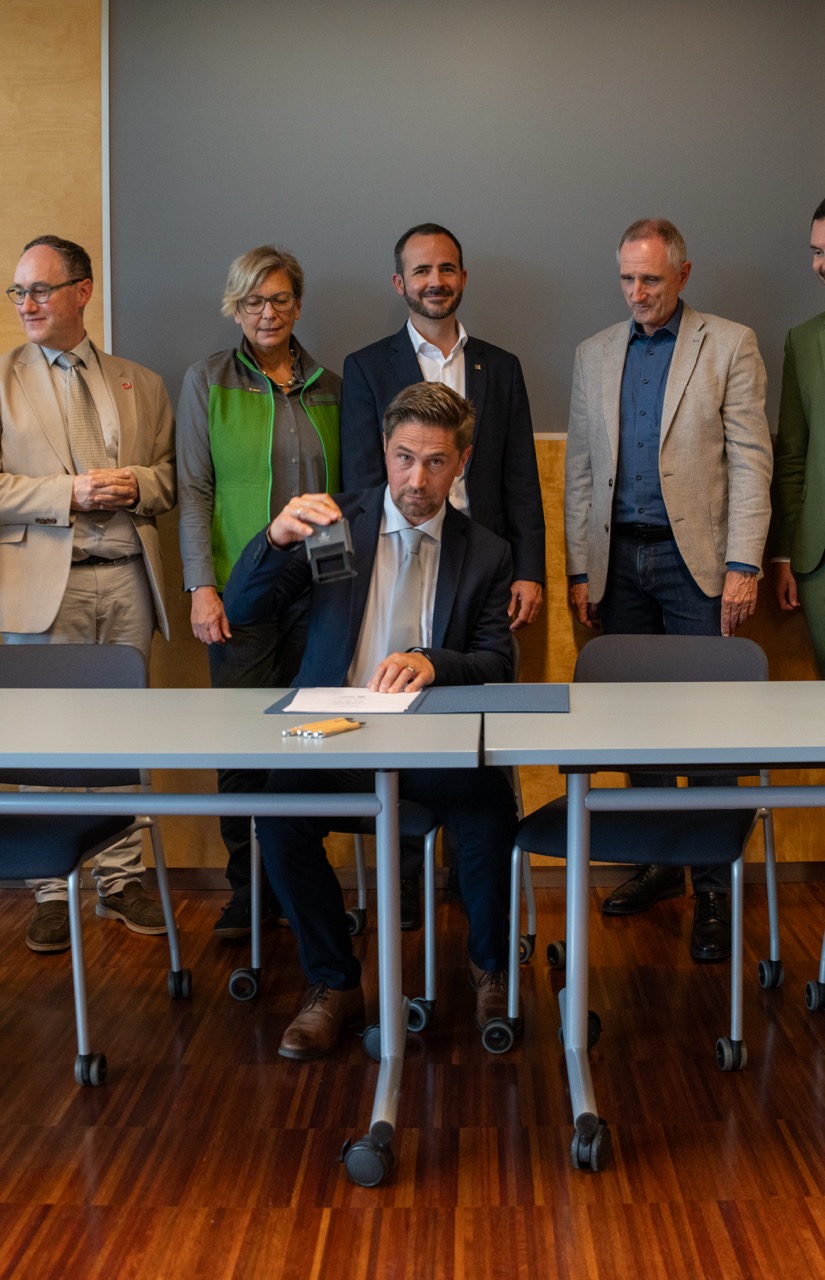
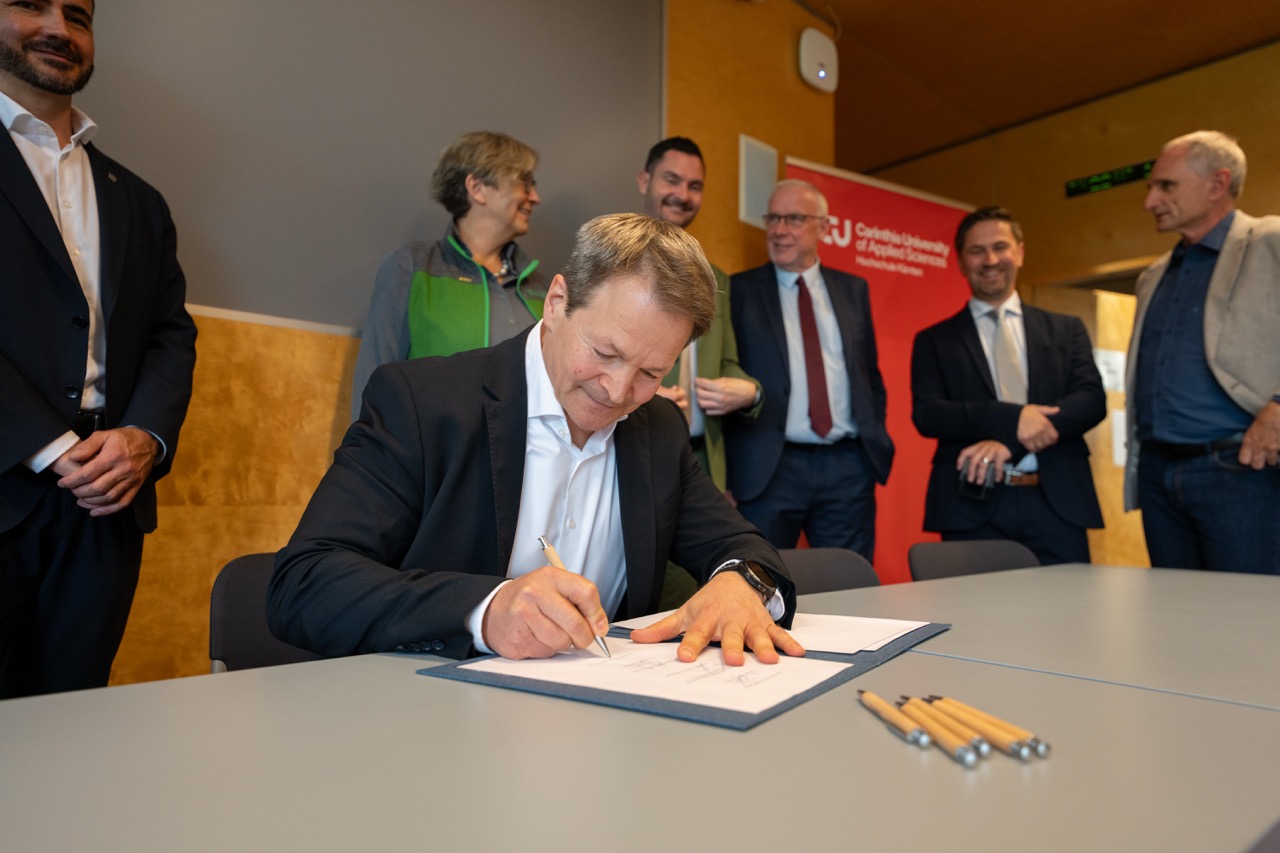
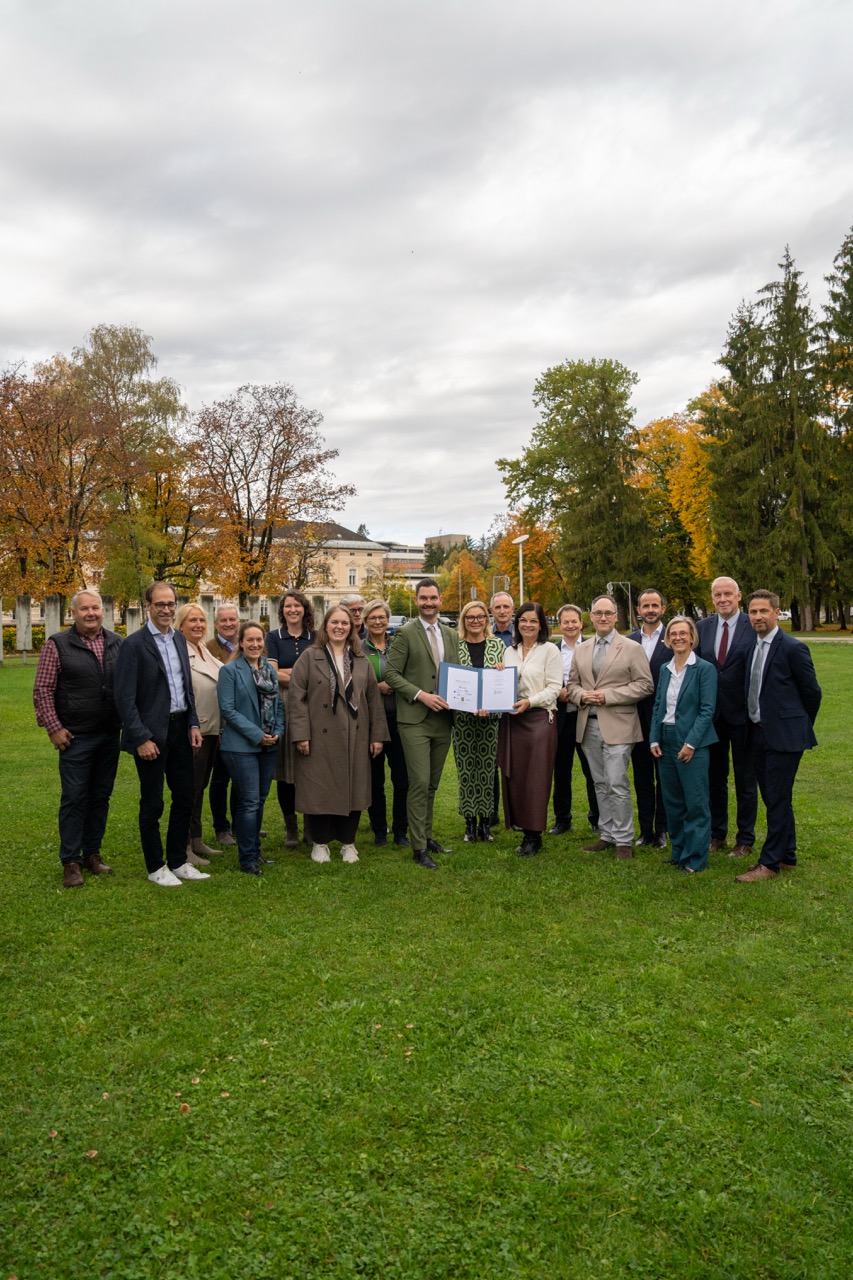
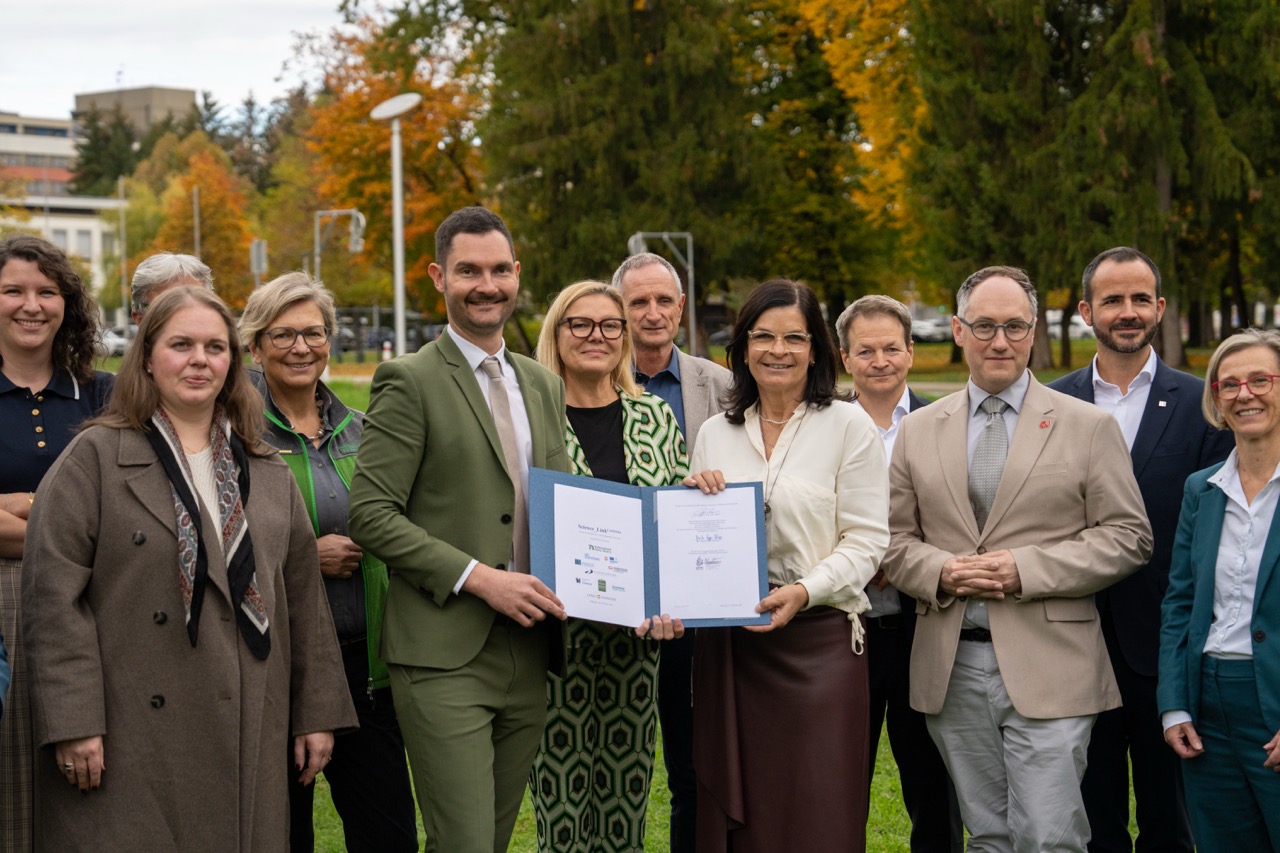
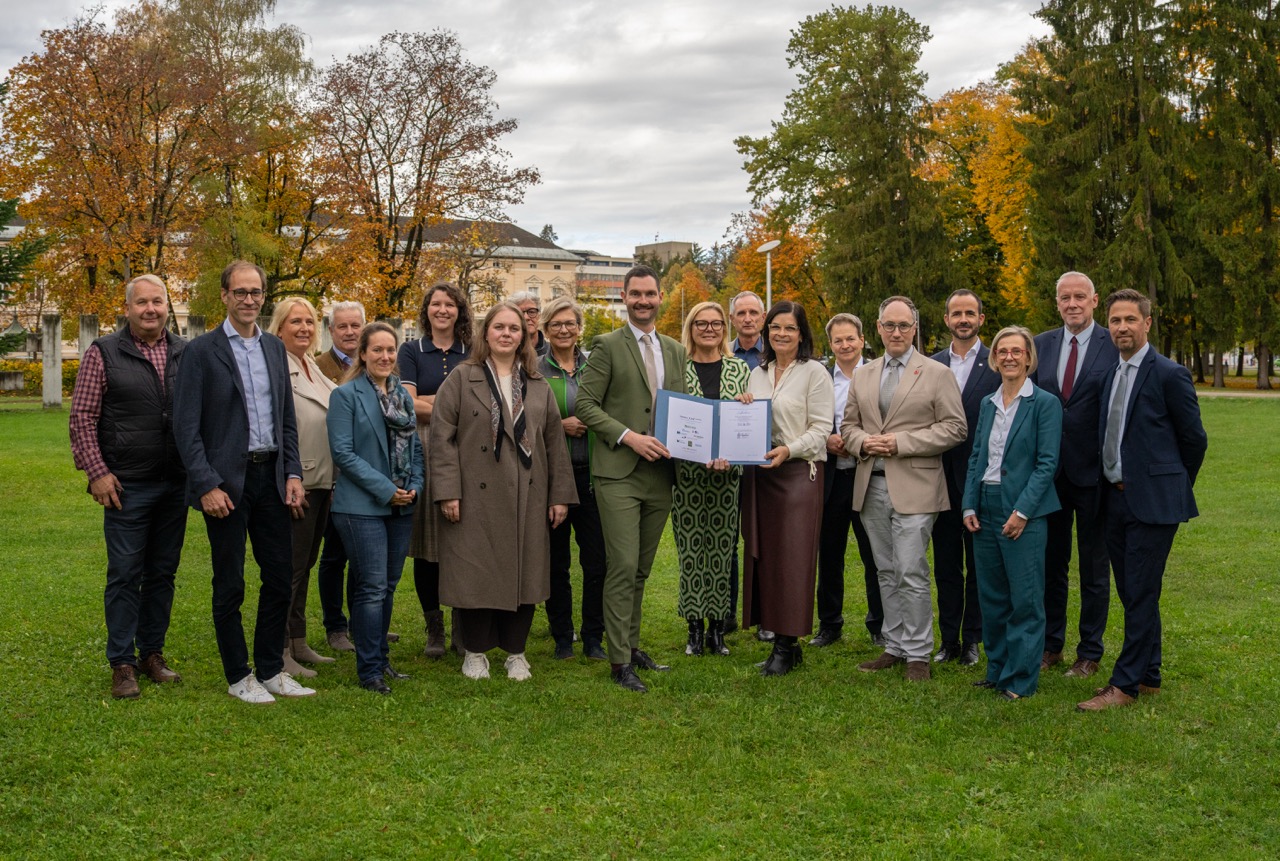
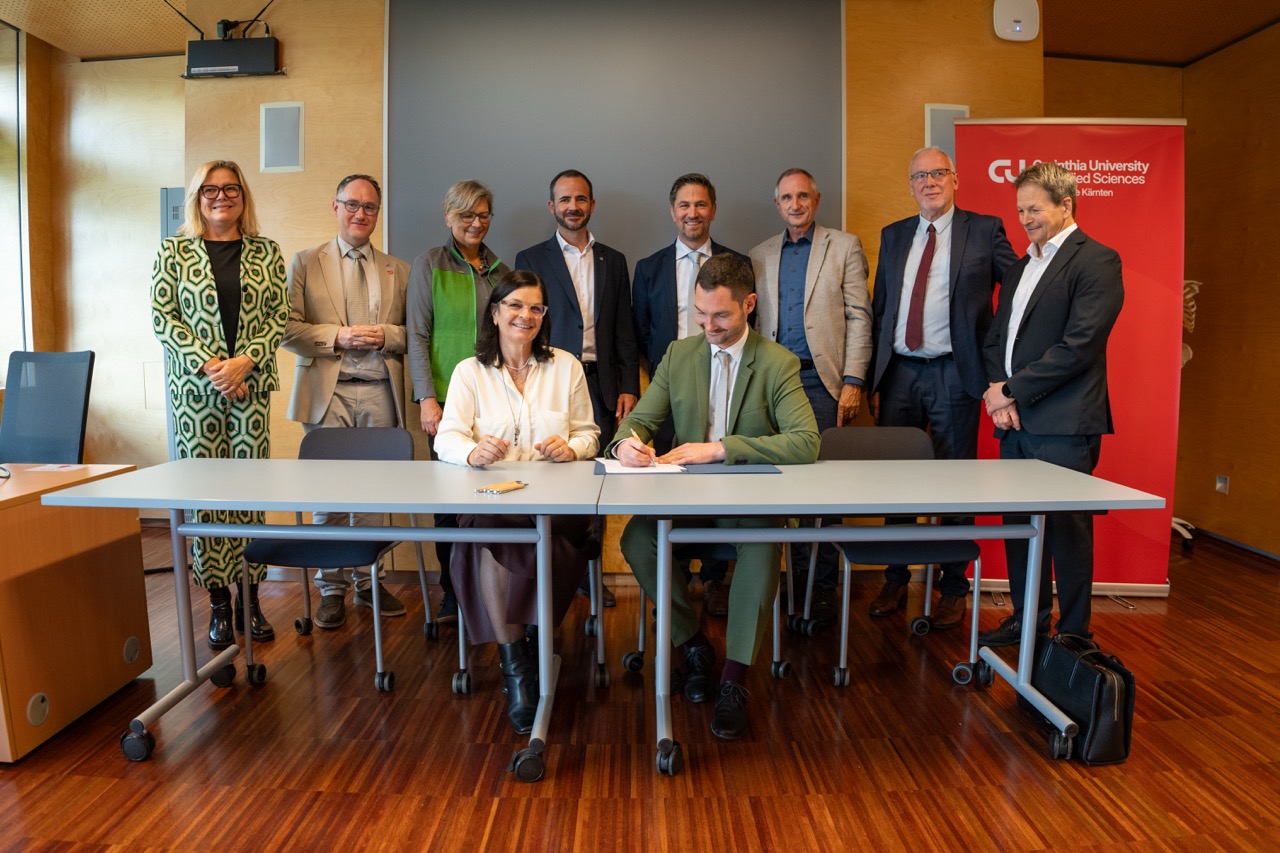
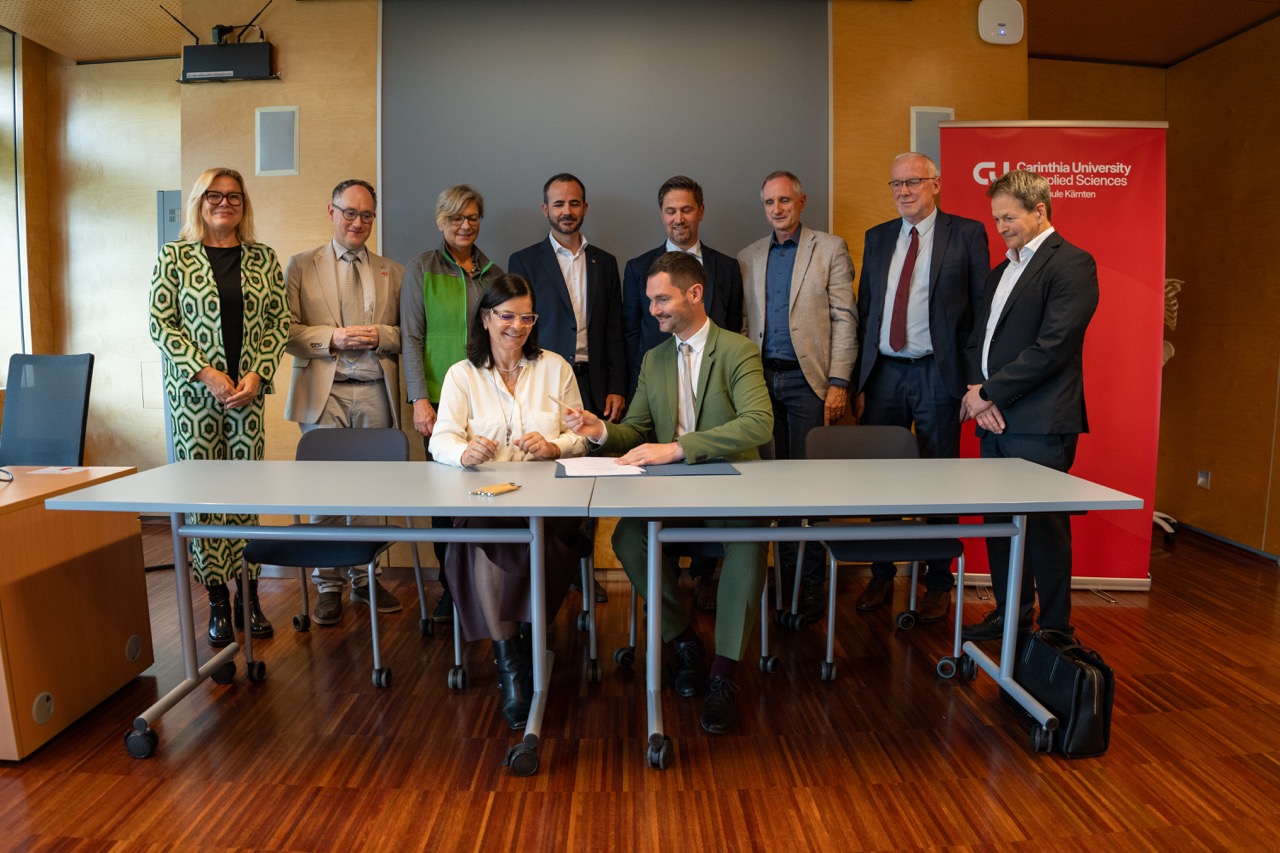
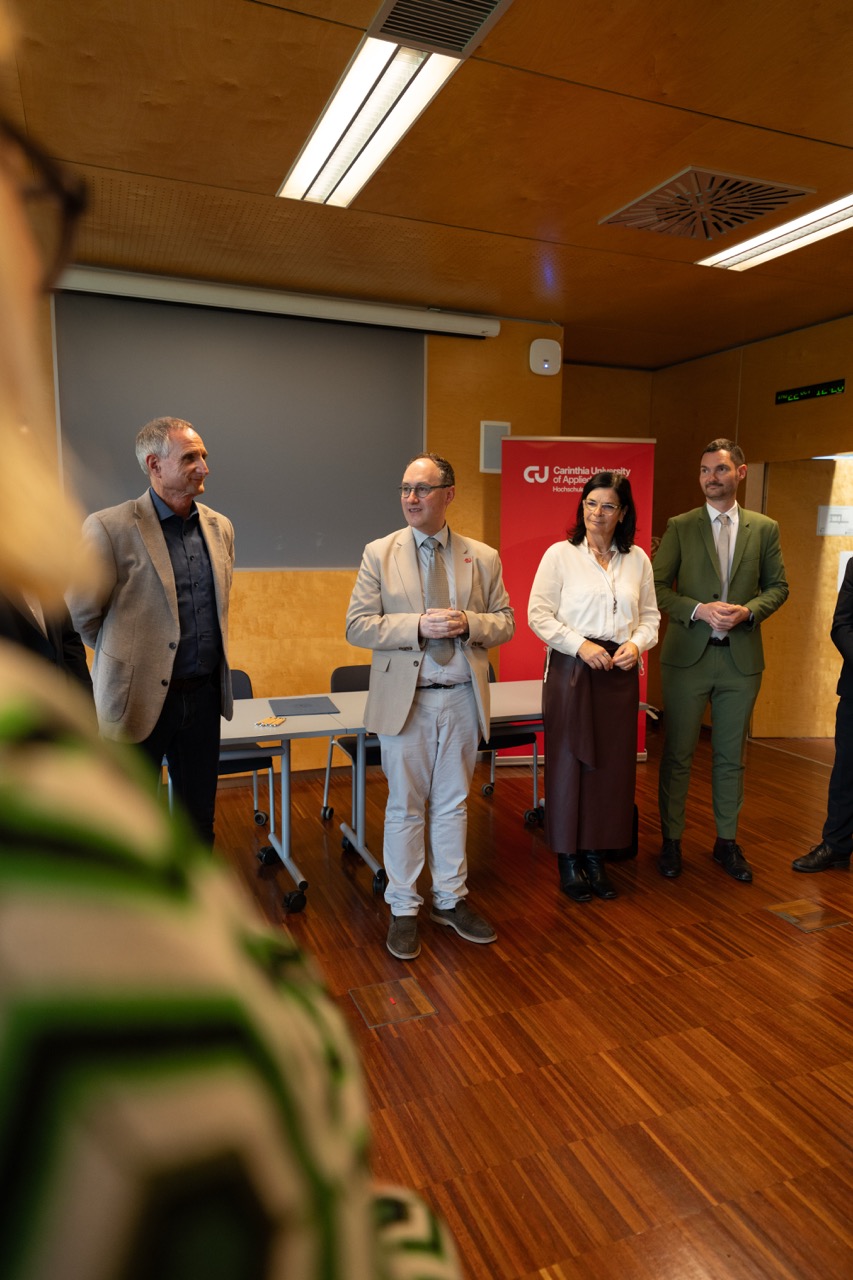
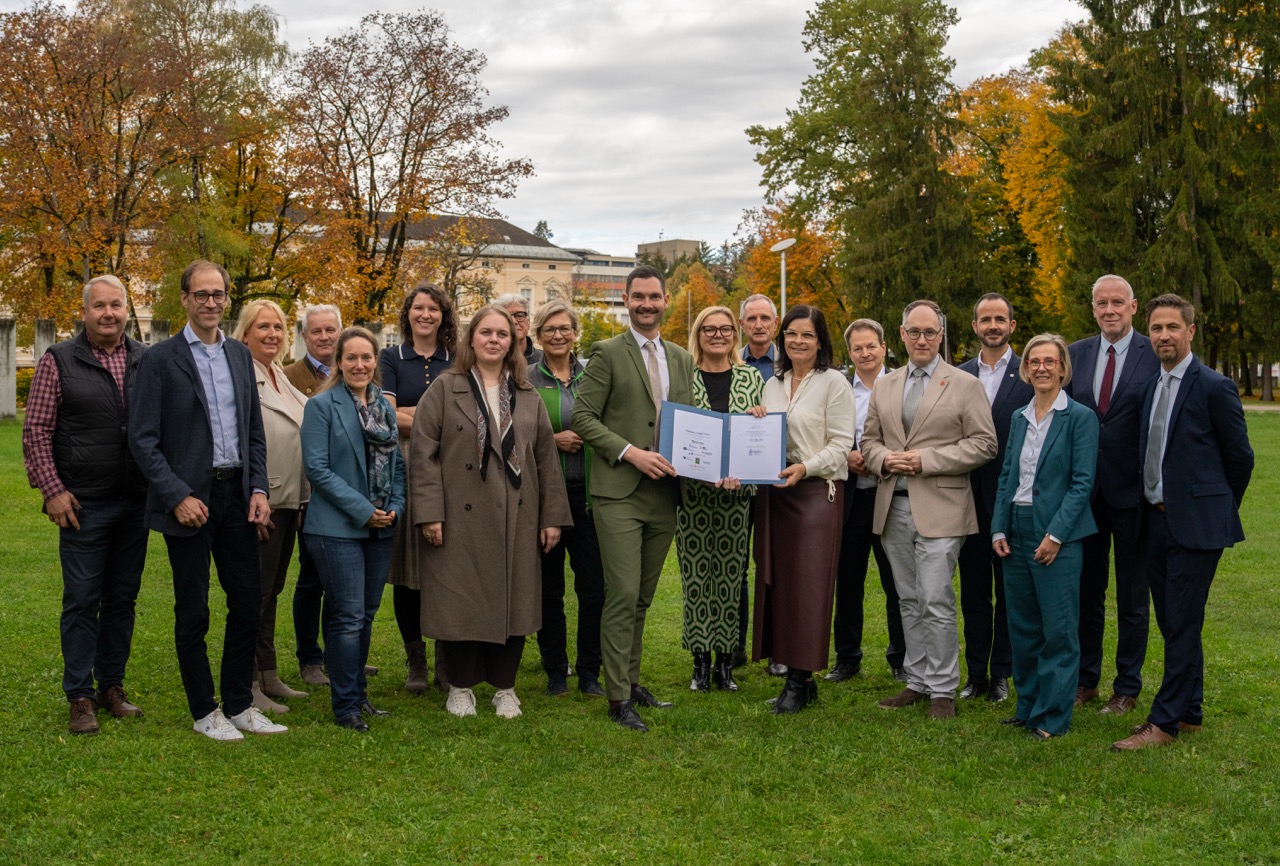
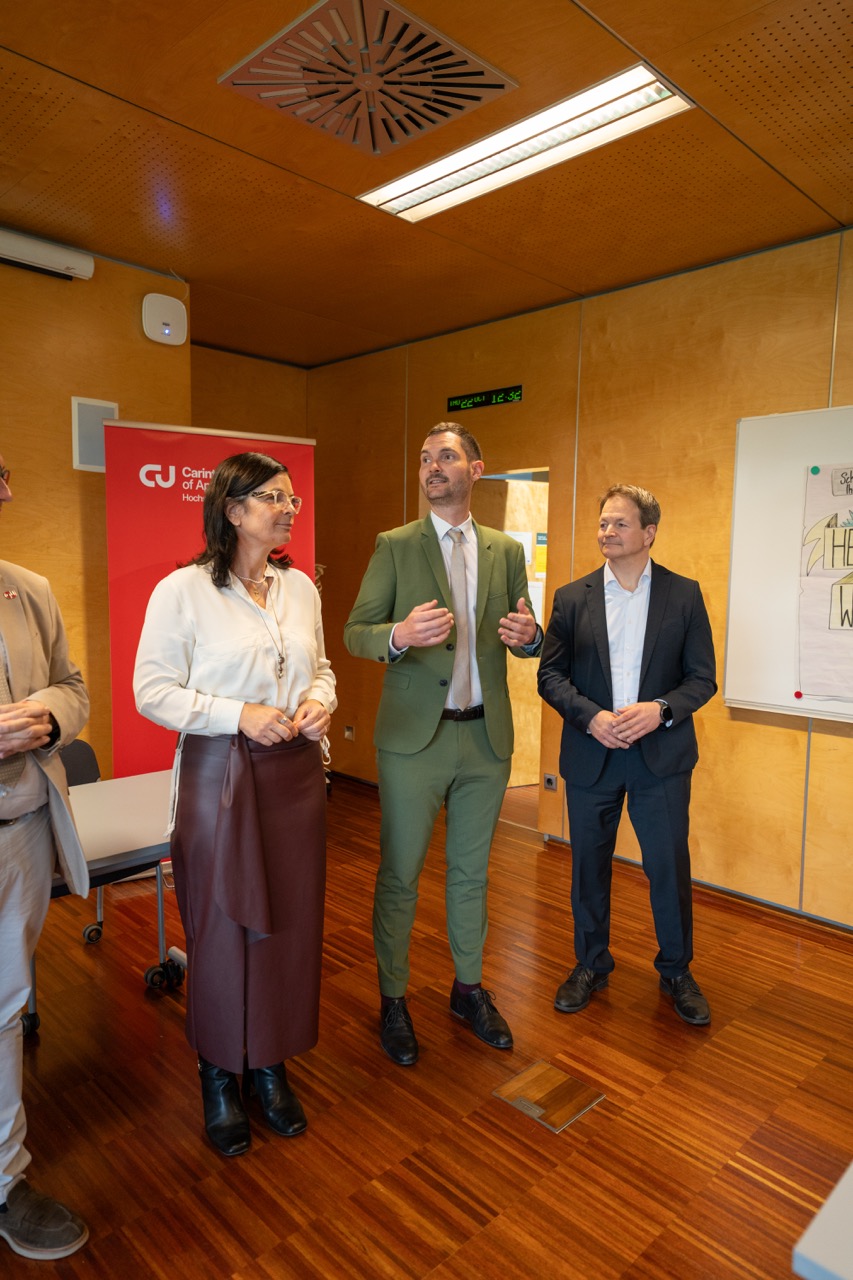
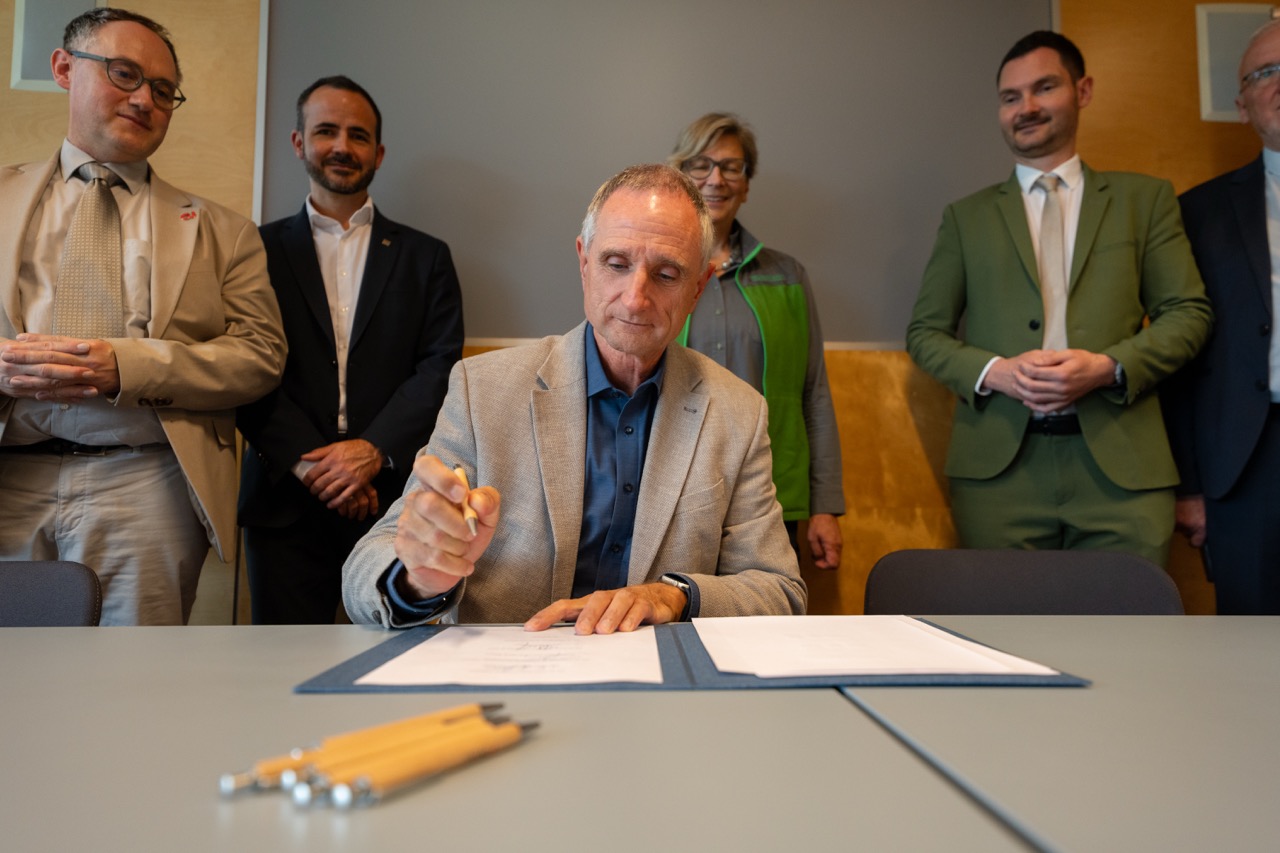
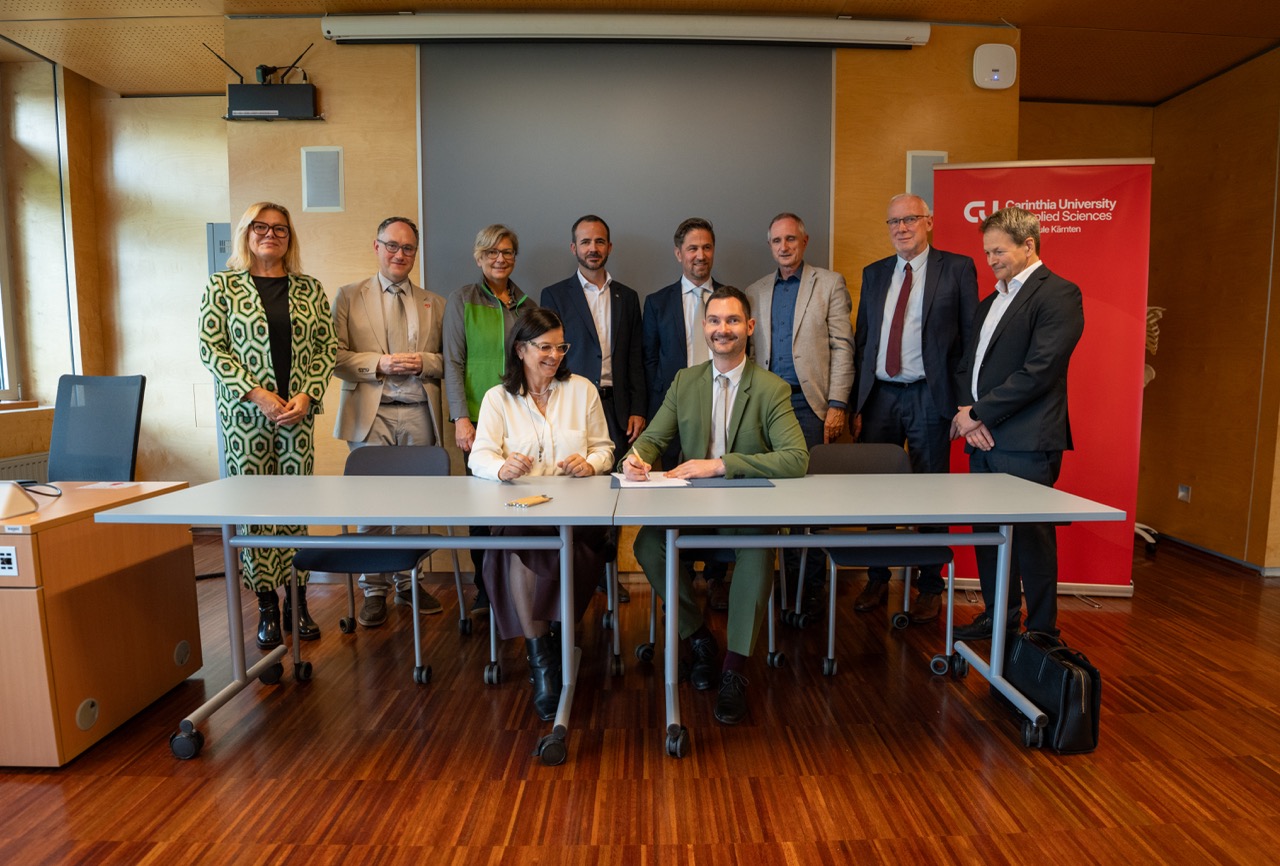
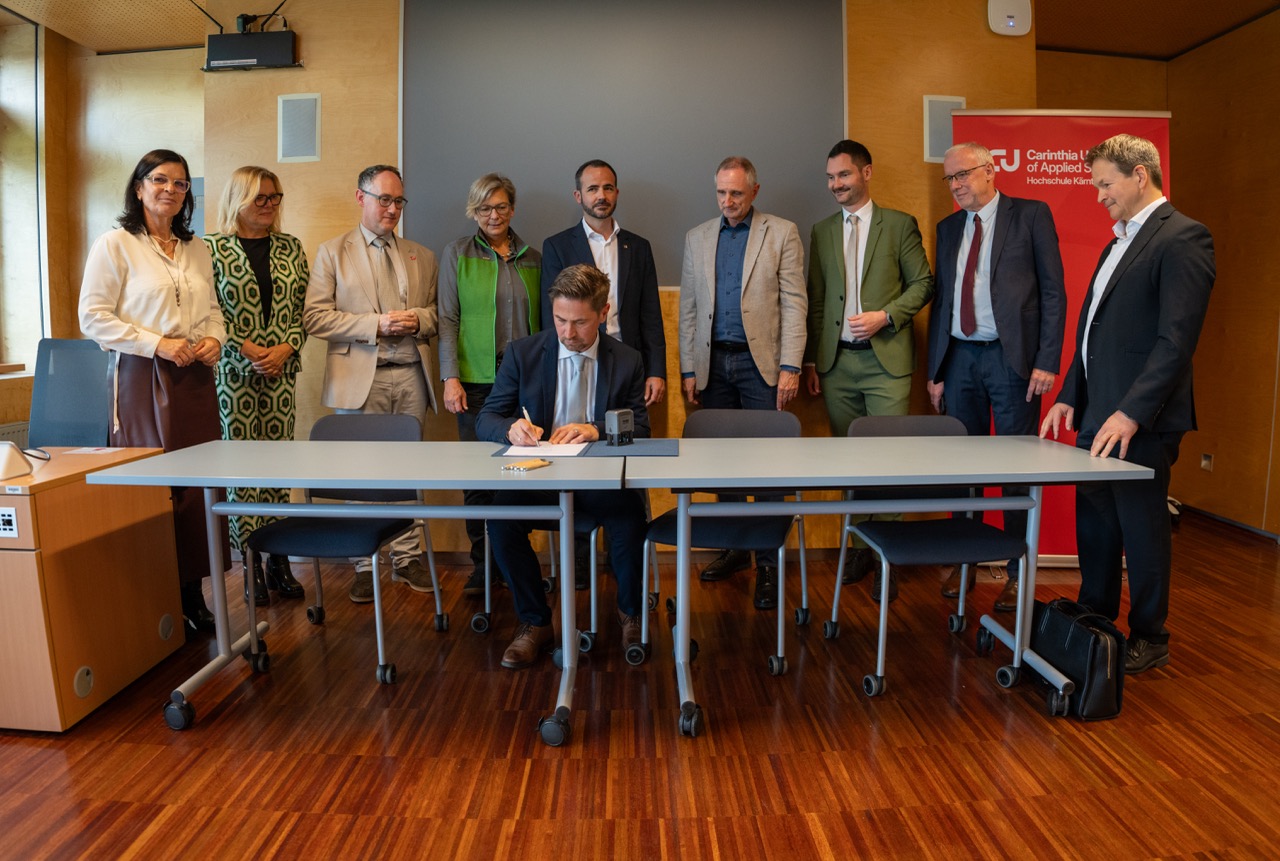
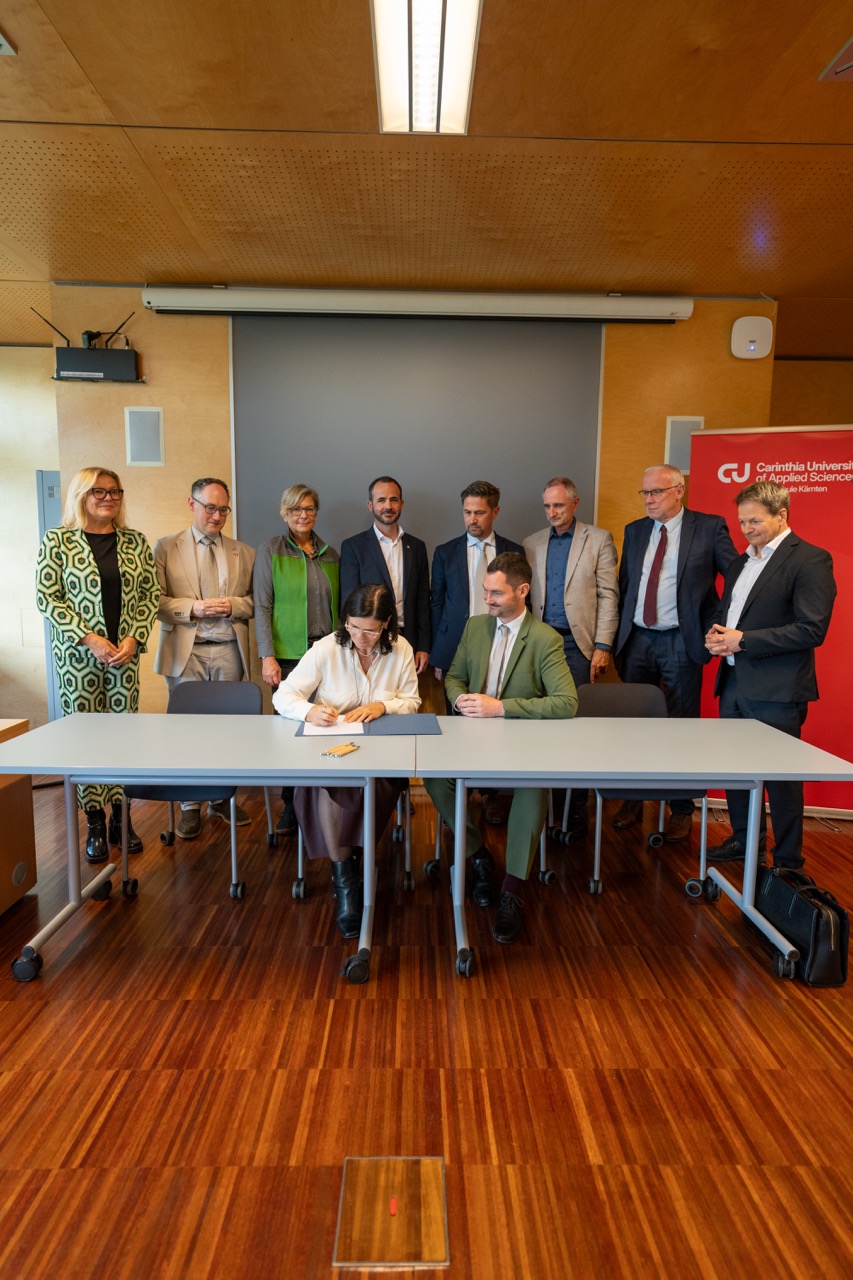
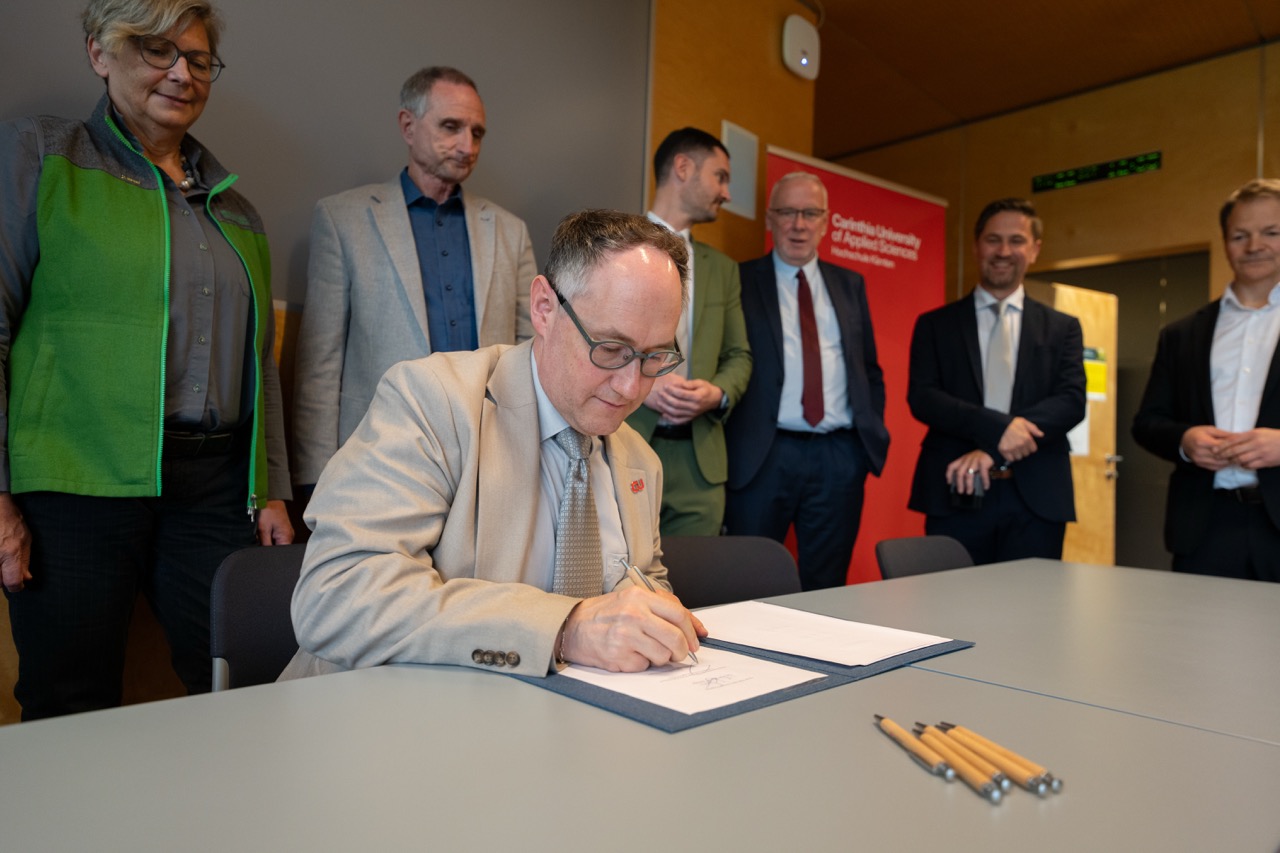
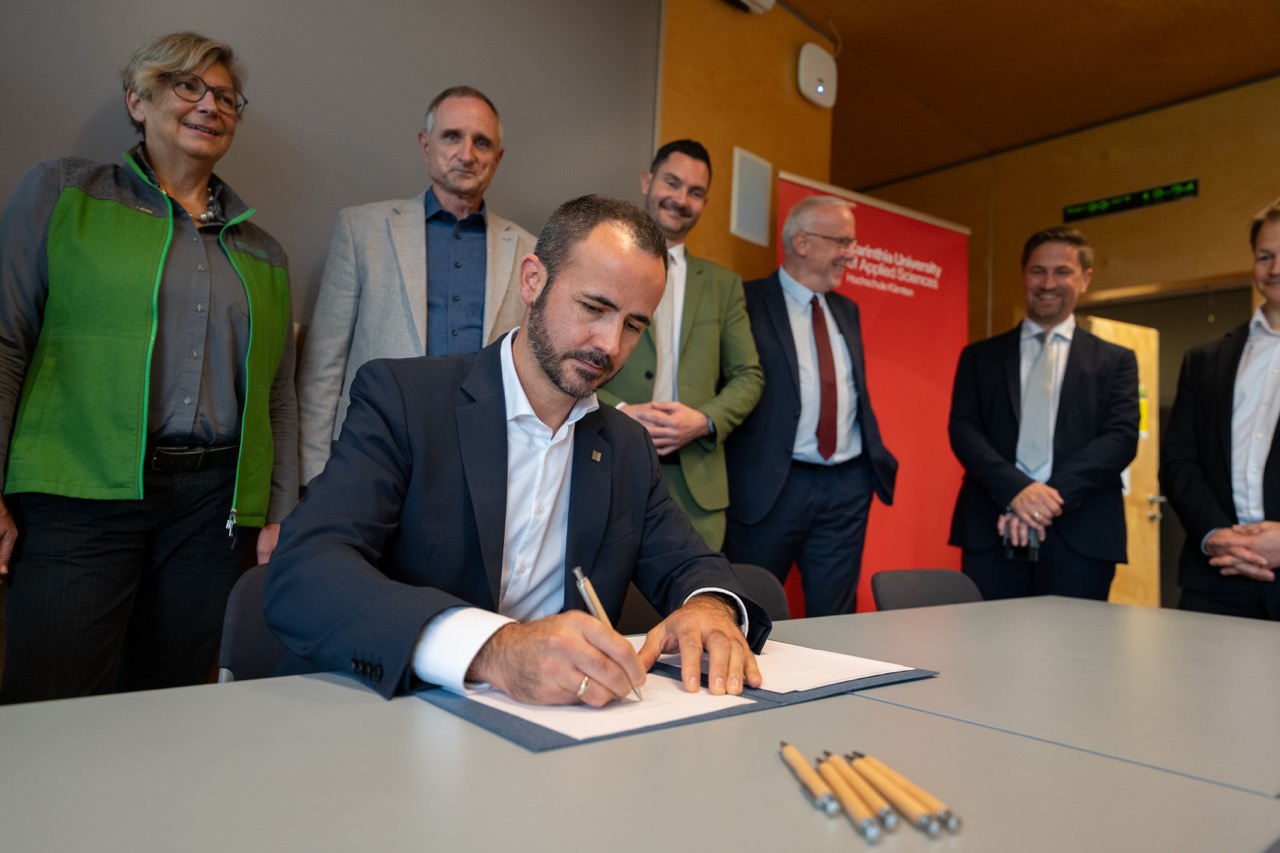
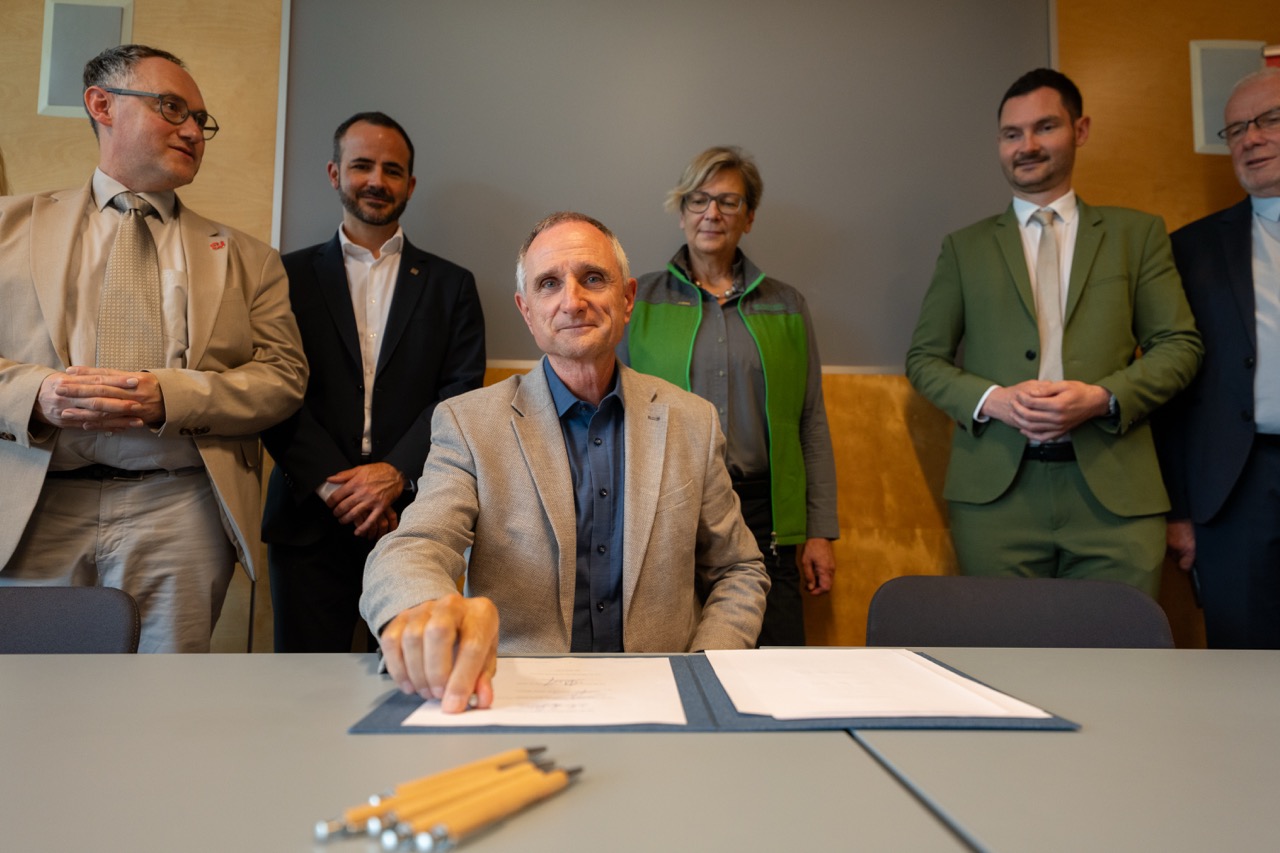
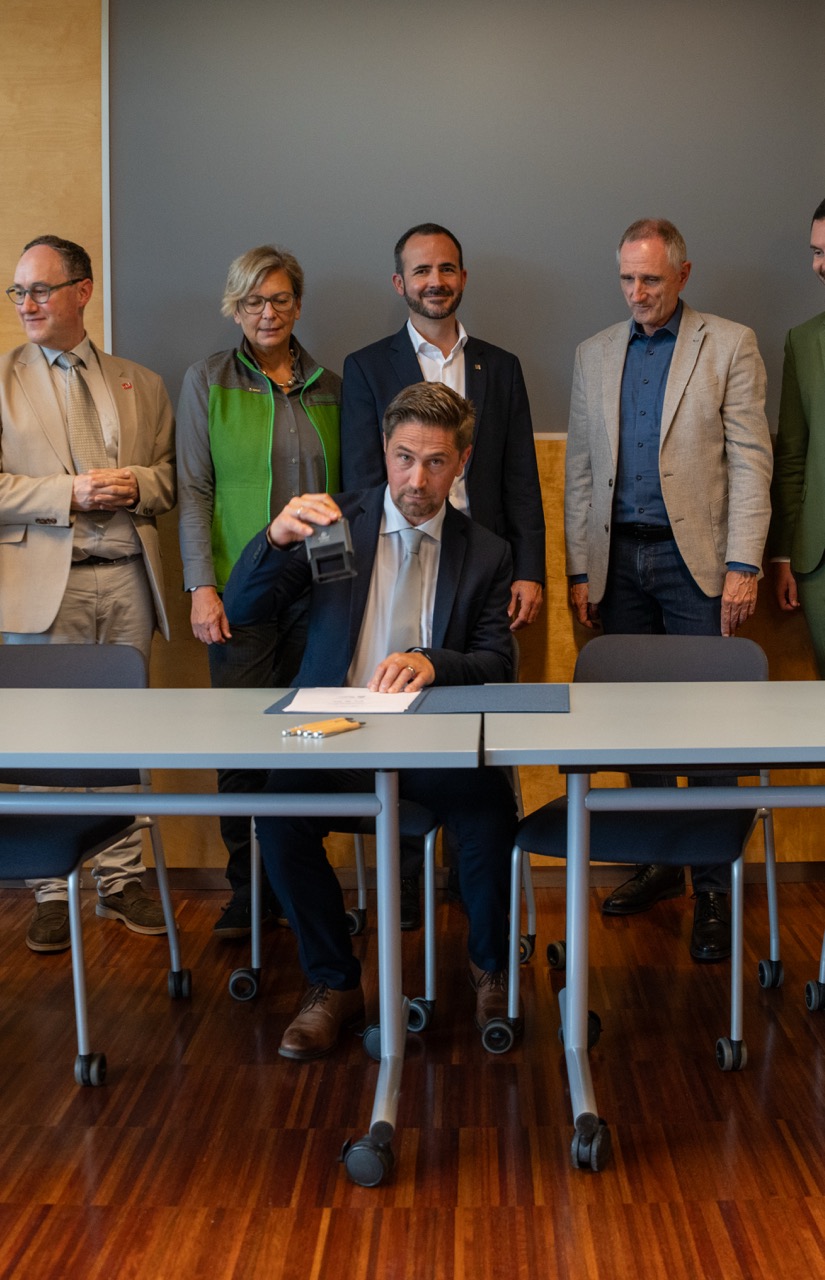
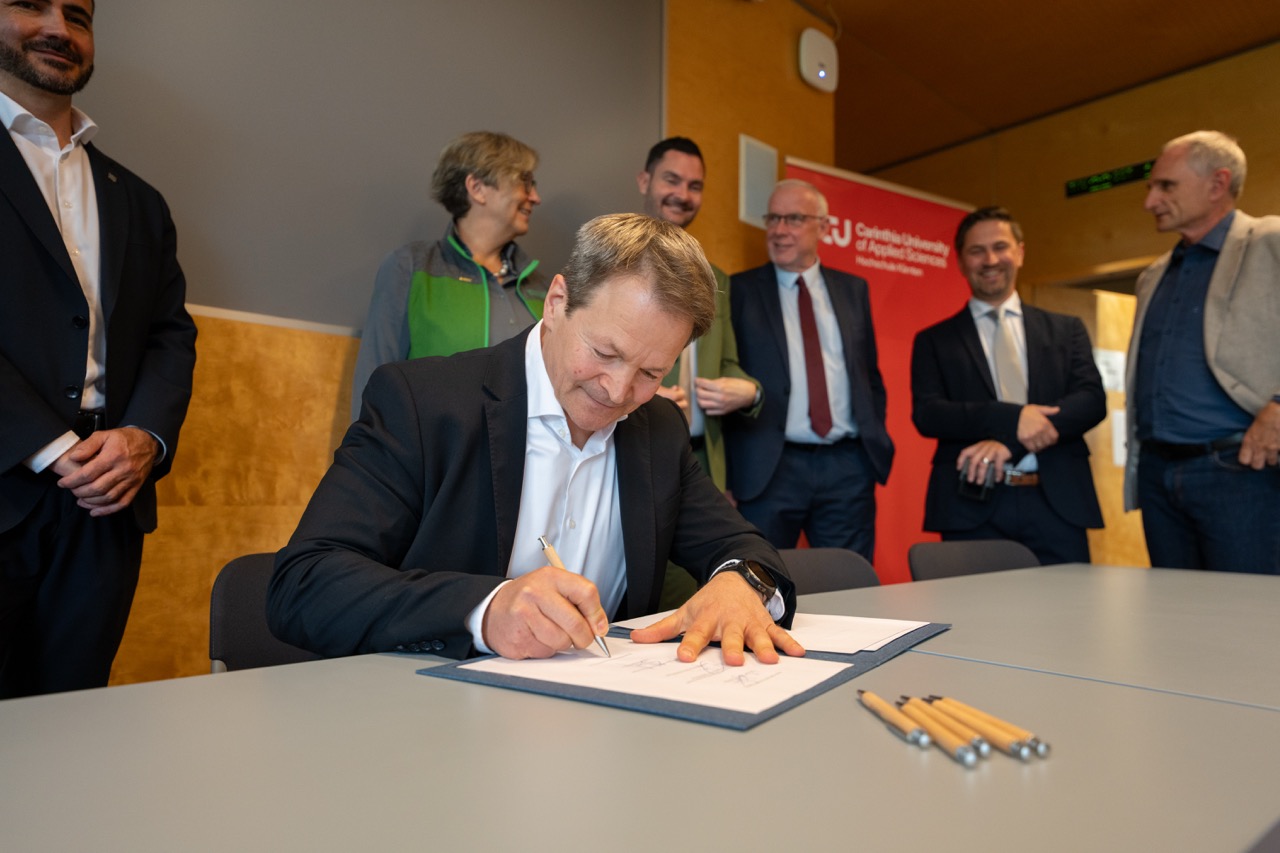
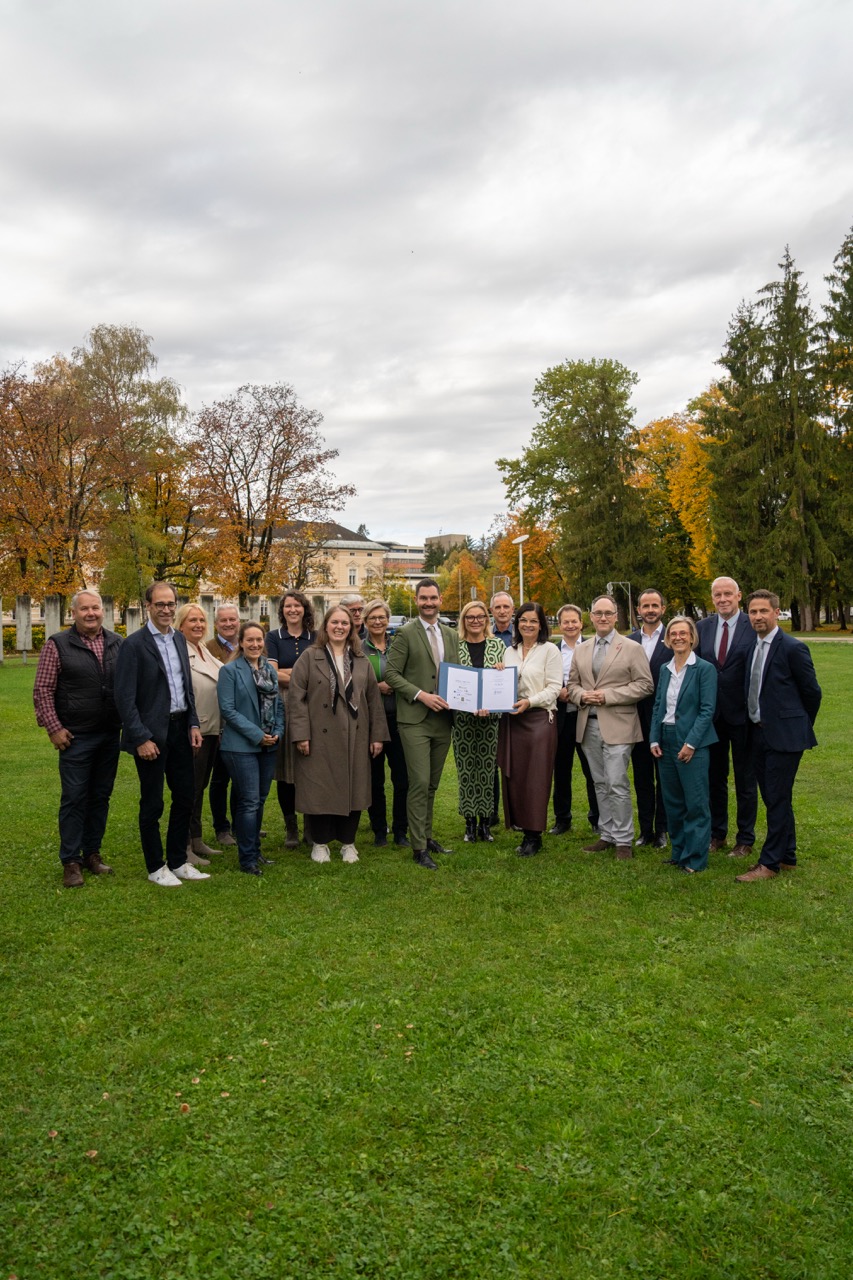
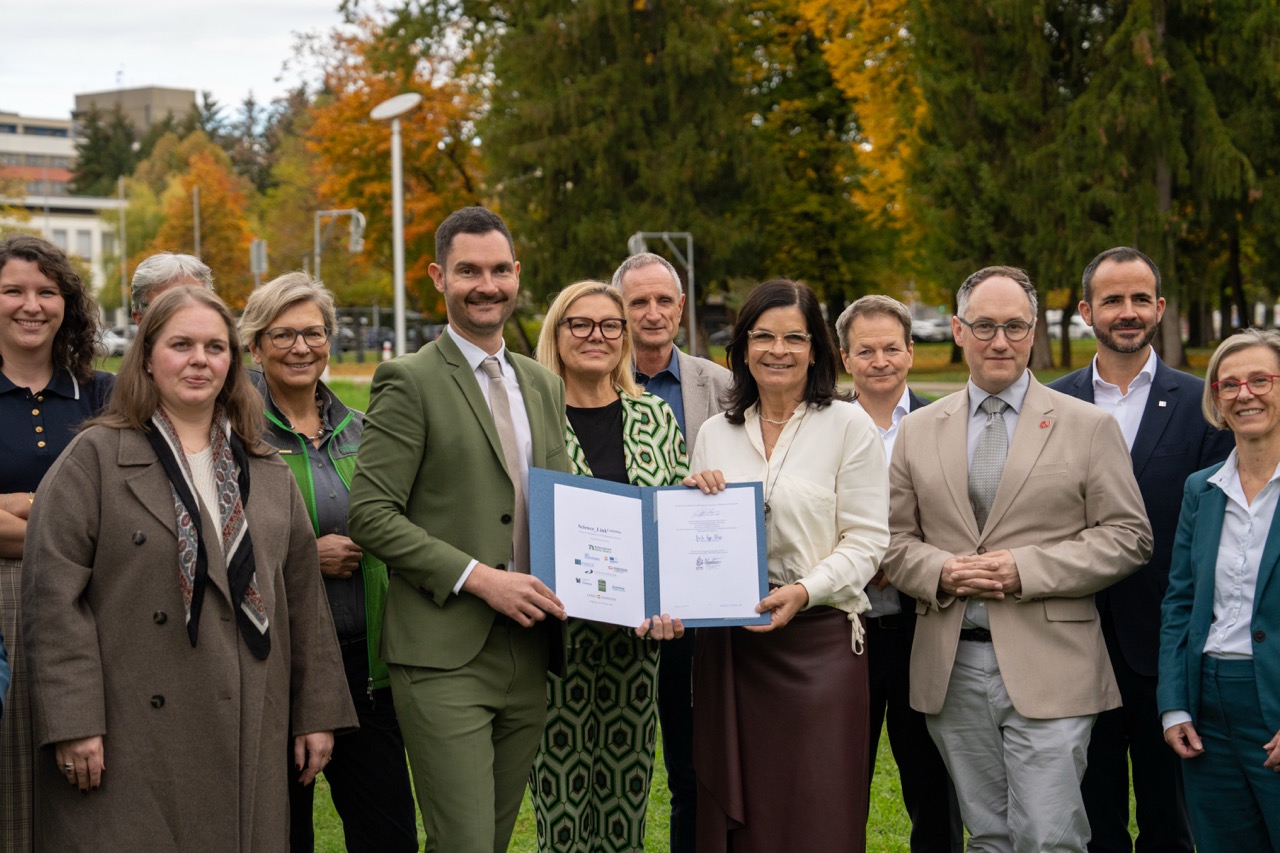
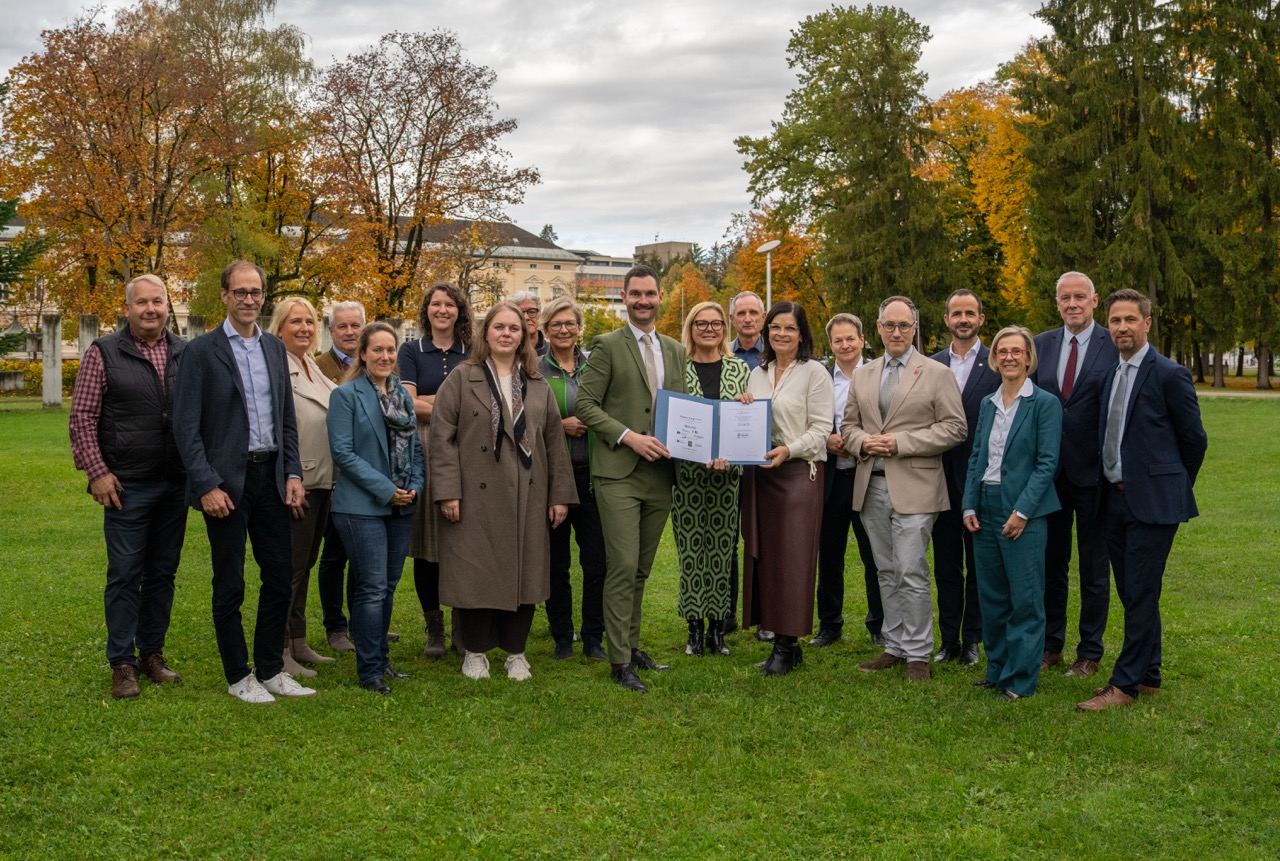
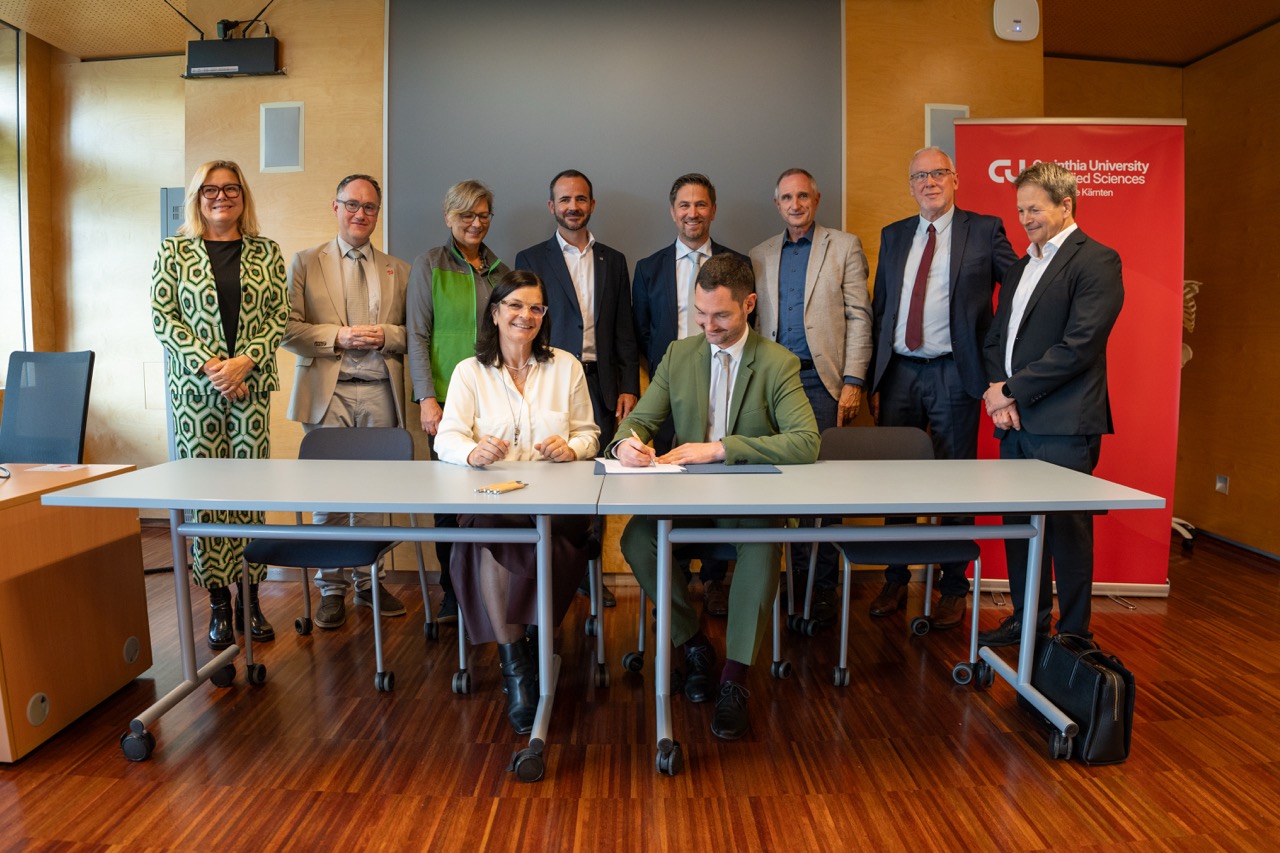
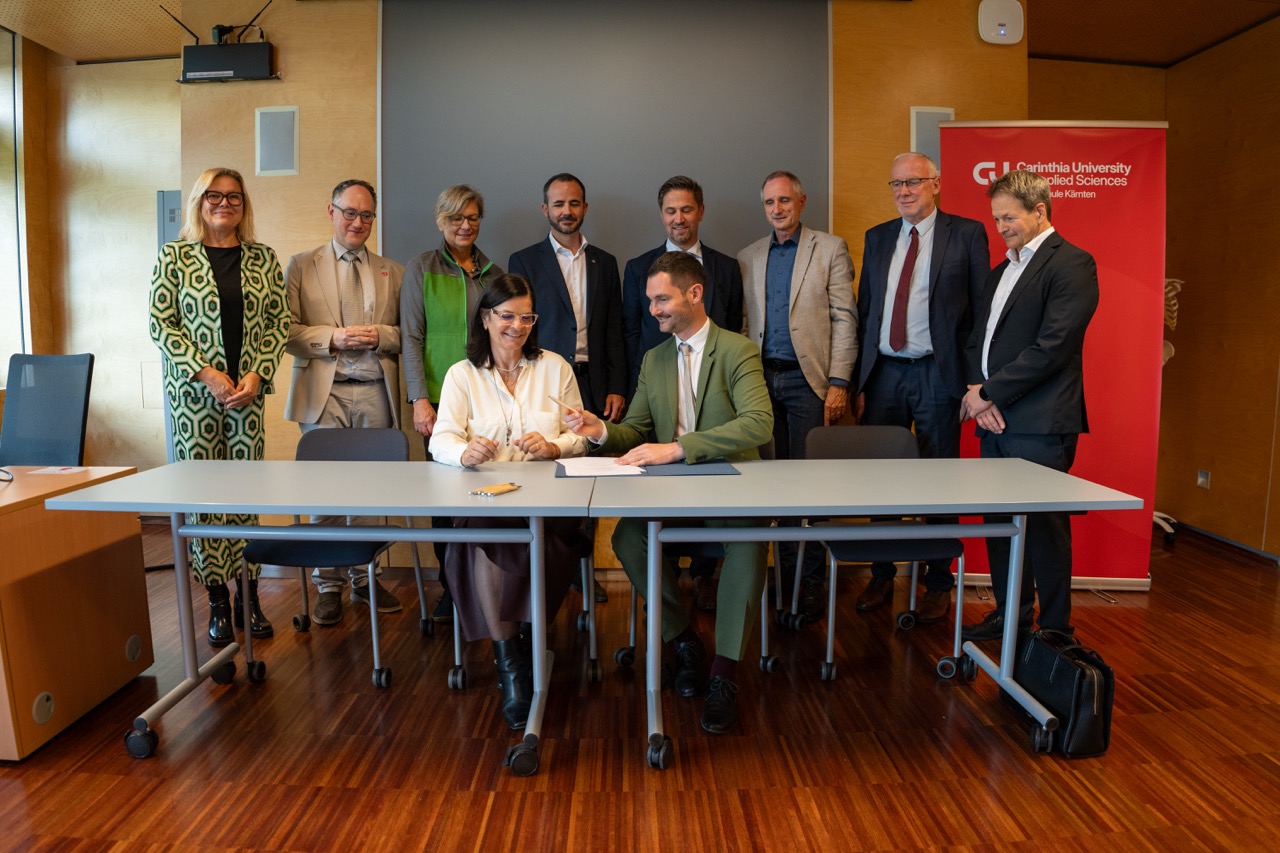
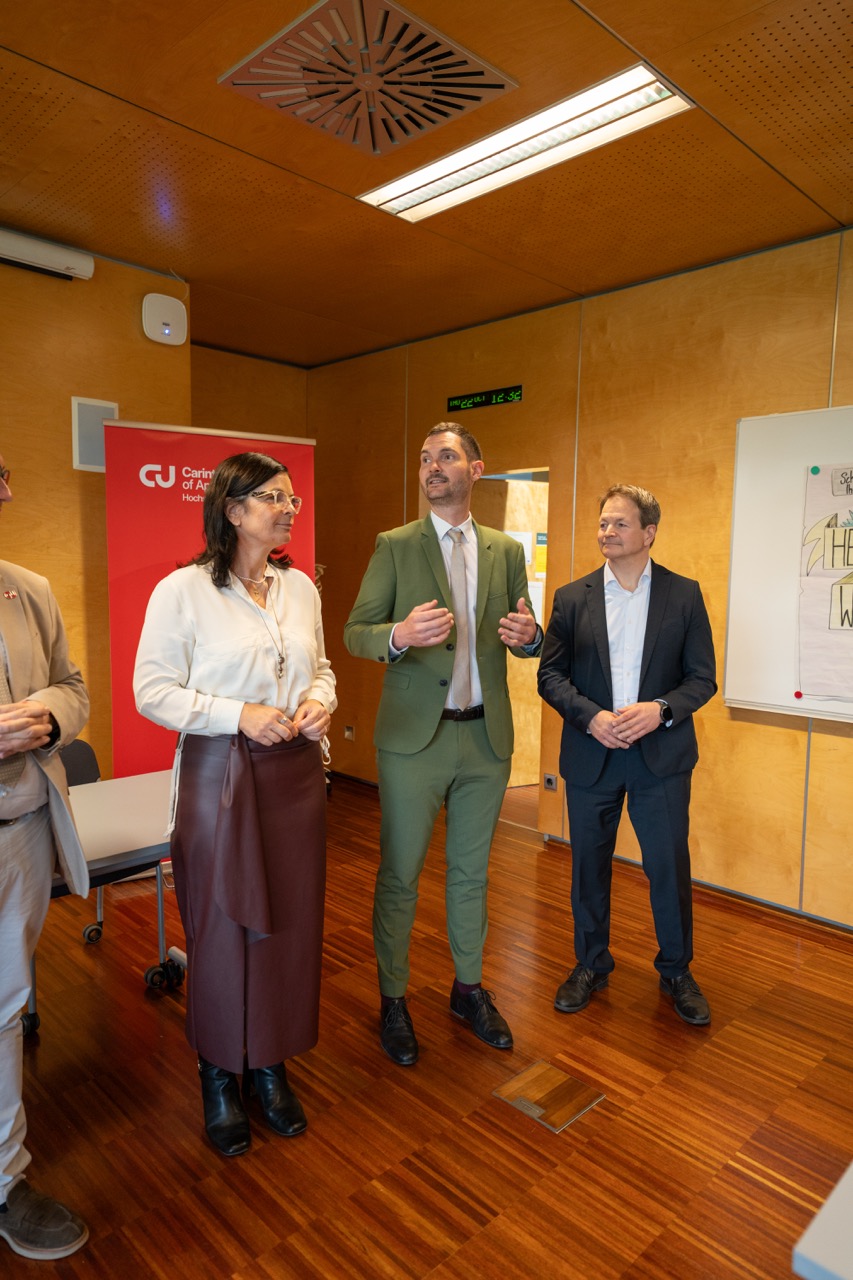
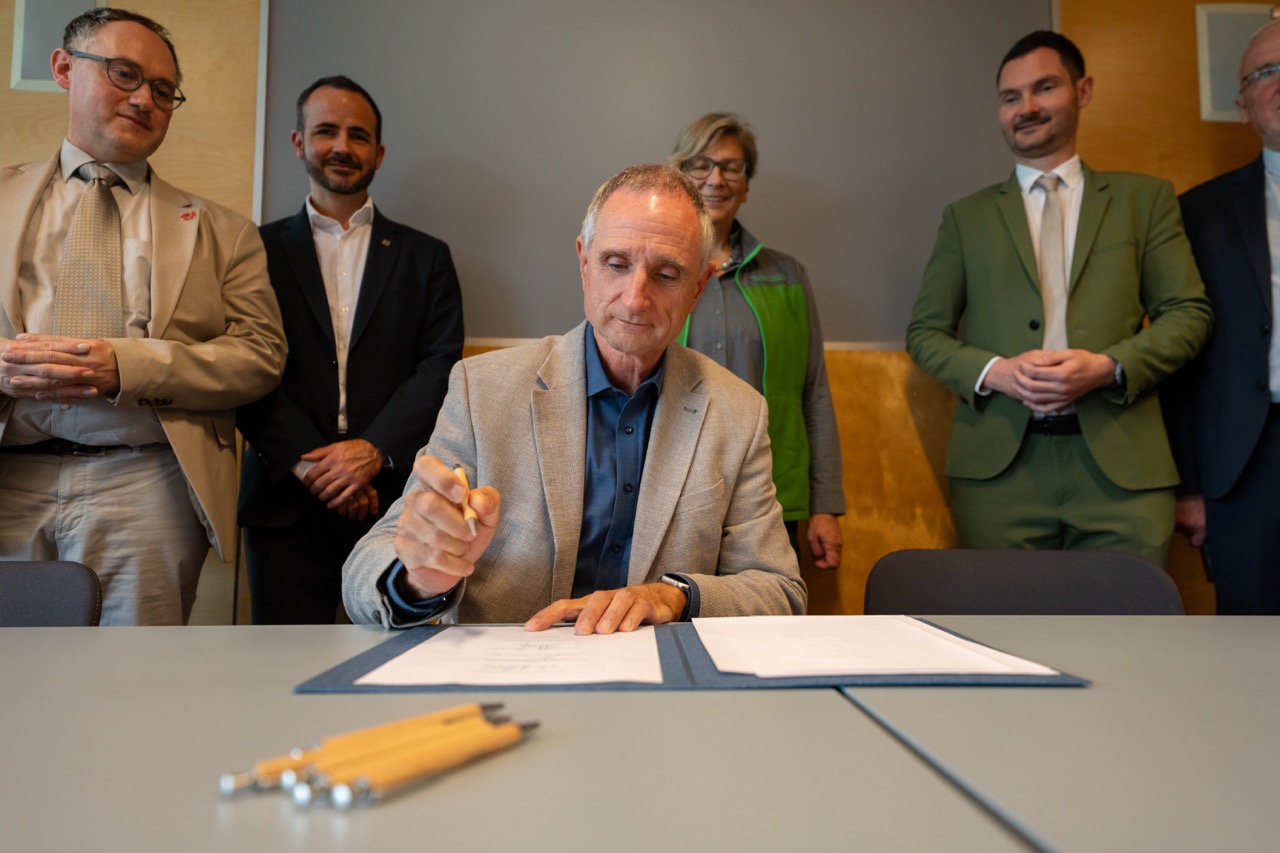
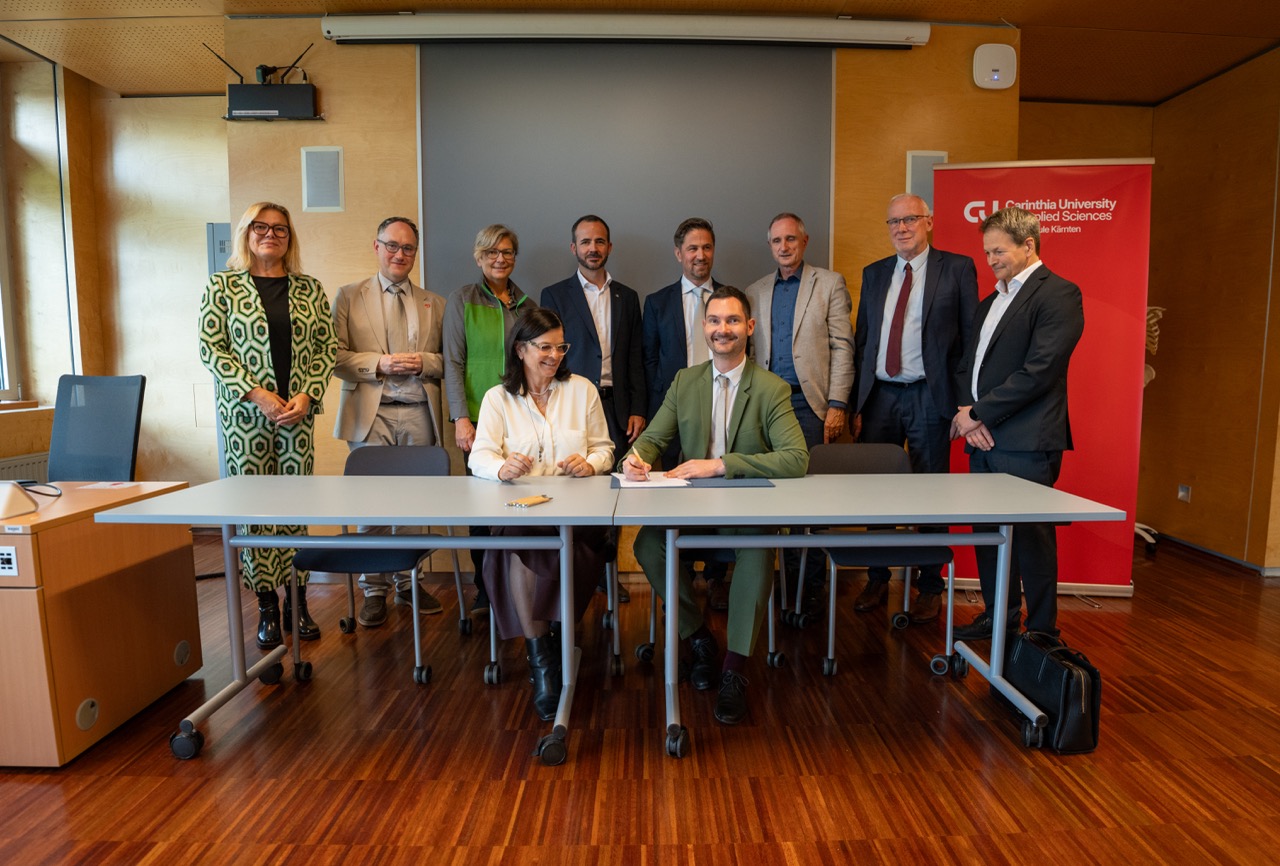
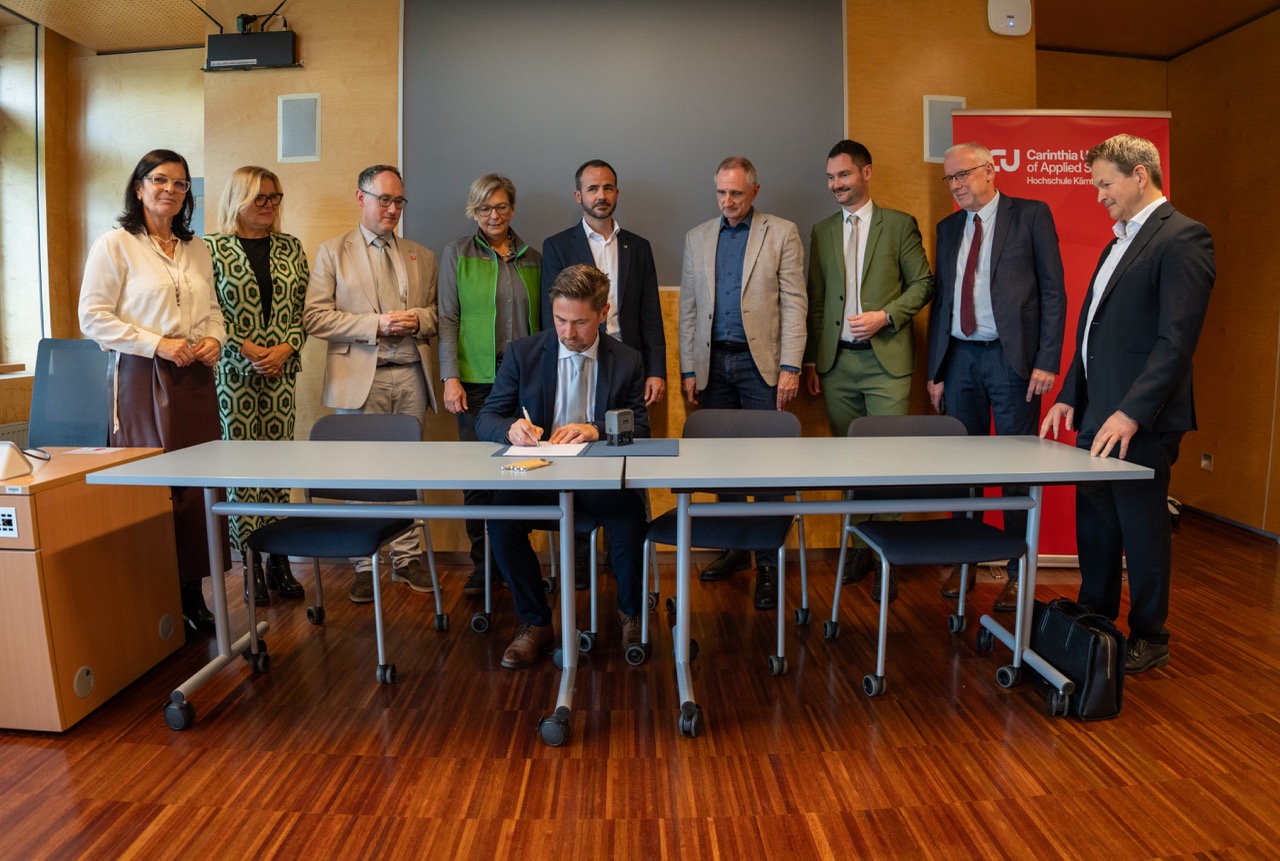
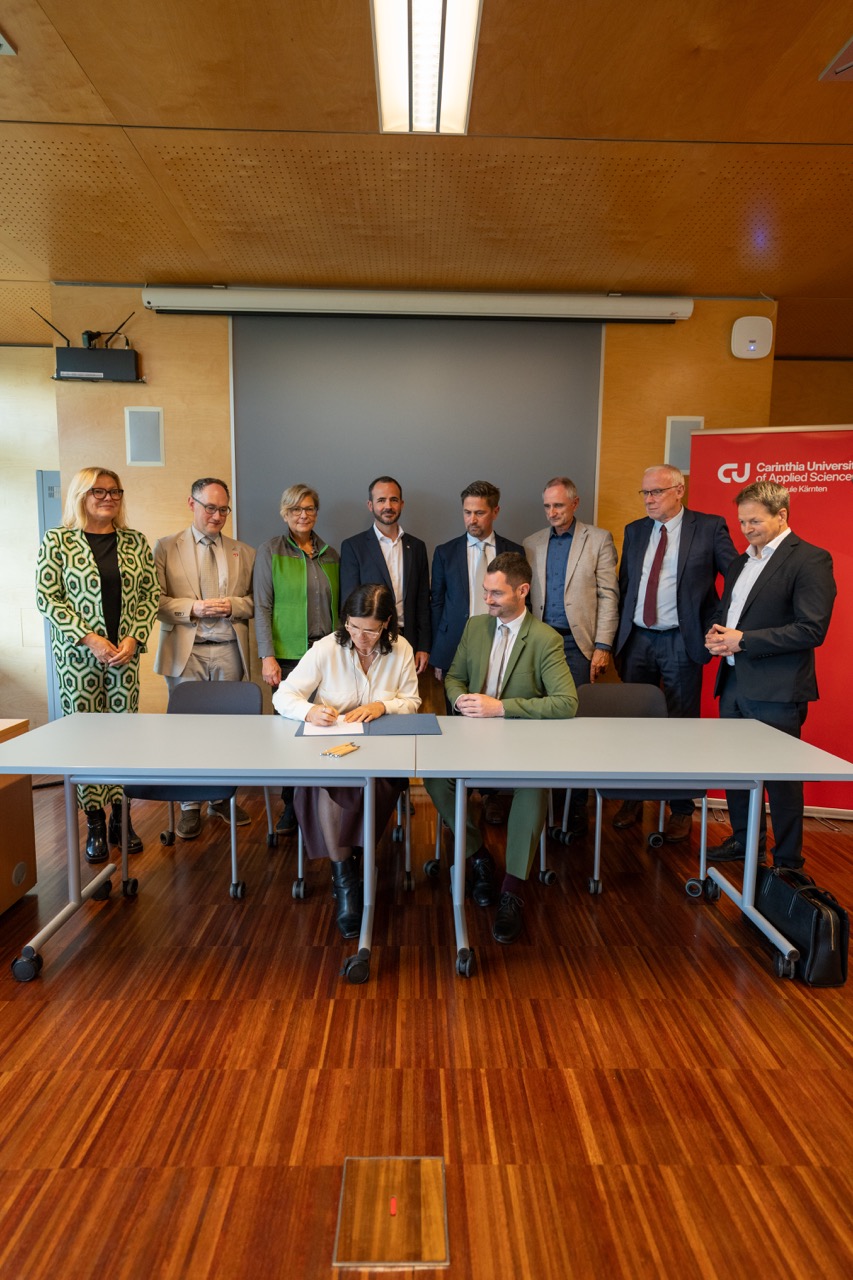
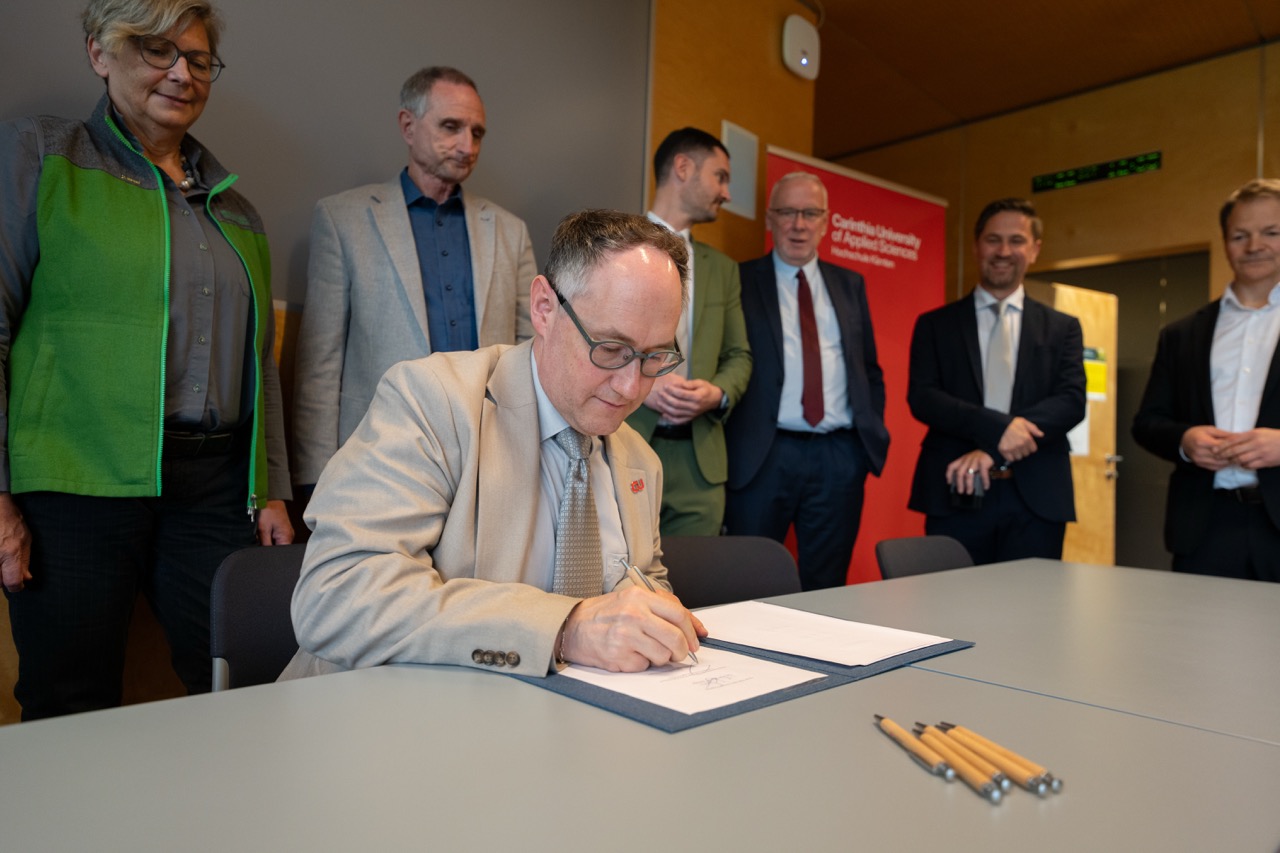
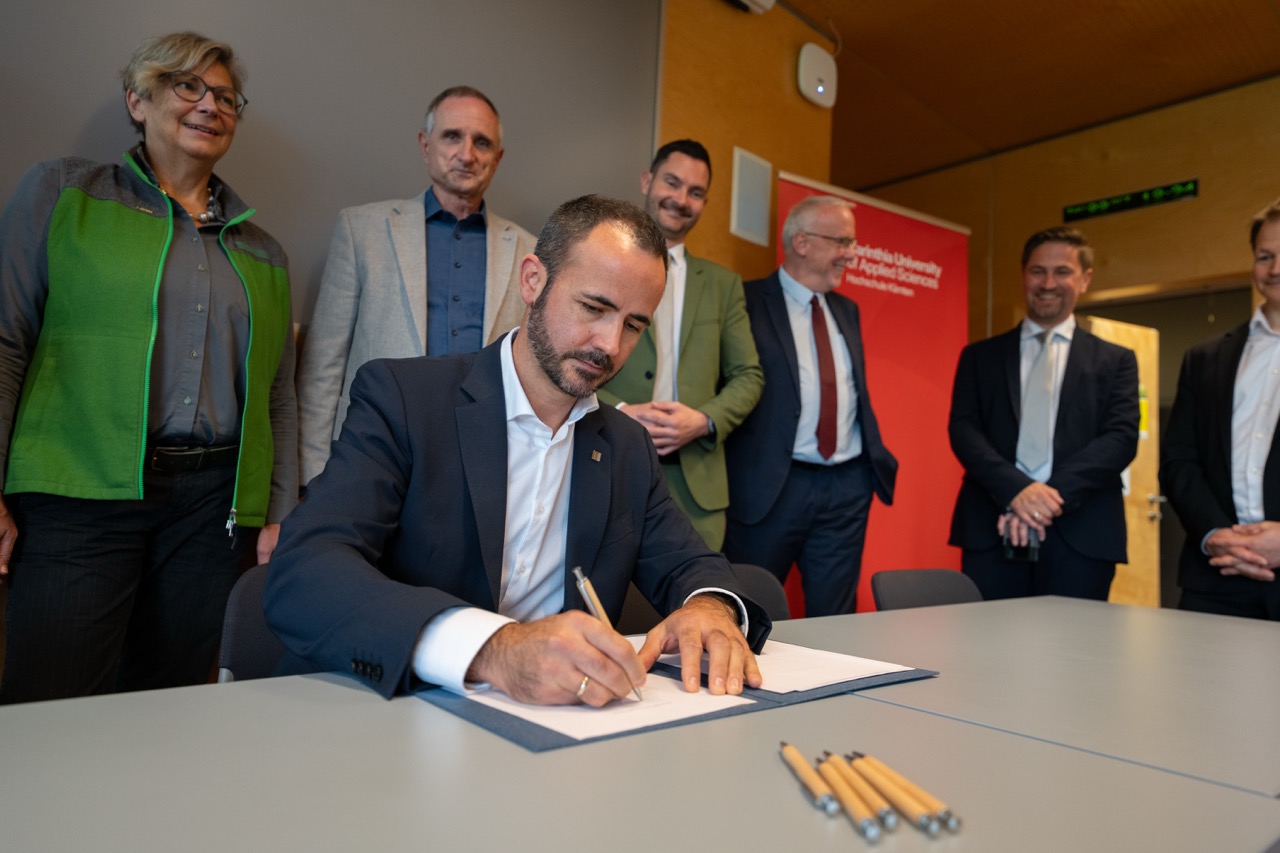
New alliance Science_LinkCarinthia connects science and nature conservation—Carinthia’s protected areas will become shared spaces for research, education, and innovation—Signing ceremony on October 22, 2026, attended by Provincial Councilor Reichmann and Provincial Councilor Lagger-Pöllinger.
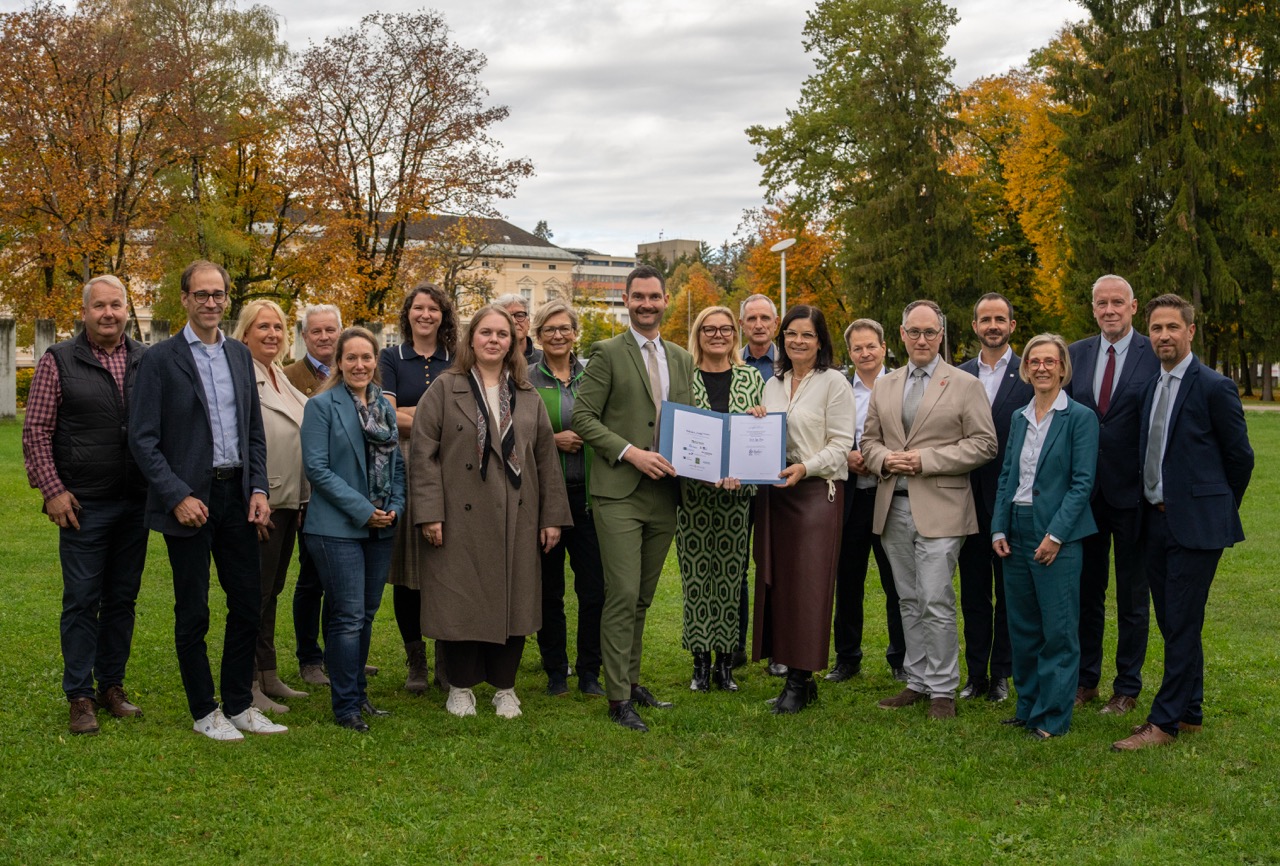
The four Carinthian universities and six organizations from the protected areas sector are joining forces to form a long-term alliance. By signing the “Science_LinkCarinthia” cooperation agreement—“Alliance of Carinthia’s Universities and Protected Areas”—the partners are sending a united message in support of biodiversity, sustainability, and scientific collaboration. The goal is to connect the diverse scientific expertise of Carinthia’s universities with the knowledge and experience of the protected areas and to jointly develop innovative solutions to ecological, social, and economic challenges.
Carinthia as a Model Region for Sustainable Development
Carinthia boasts an extraordinary diversity of natural areas and protected areas, as well as a broad-based higher education landscape. These two strengths are to be linked even more closely in the future. The new alliance creates, for the first time, a common, cross-institutional framework for this purpose.
The focus is on the major challenges of our time: the loss of biodiversity, climate change, the sustainable use of natural resources, and the question of how ecological, social, and economic interests can be reconciled.
Carinthia’s protected areas—such as the Hohe Tauern National Park, the Nockberge Biosphere Reserve, the Dobratsch and Weissensee Nature Parks, and the many smaller nature reserves—offer ideal conditions for this. As unique natural and cultural landscapes, they are also valuable research areas, places for knowledge transfer, and model regions for sustainable development. Here, scientific findings can be directly linked to practical experience, new approaches can be tested, and solutions can be further developed in collaboration with the local population.
Four universities, diverse expertise, a shared goal
The alliance includes the University of Klagenfurt, CU Carinthia University of Applied Sciences, the Carinthia University of Education, and the Gustav Mahler Private University of Music. Together, they contribute a broad spectrum of academic disciplines and expertise—ranging from the natural sciences and engineering to economics, social sciences, and cultural studies, as well as educational sciences, music, and the arts.
This diversity opens up new possibilities for addressing complex issues from different perspectives. After all, sustainable development is by no means exclusively a task for the natural sciences. It also requires social, cultural, educational, technological, and economic approaches.
“With ‘Science_LinkCarinthia,’ we are bringing together two particular strengths of our state: a diverse, internationally networked higher education landscape and unique natural and protected areas. We want to link scientific findings more closely to concrete societal challenges, enable new forms of collaboration, and further establish Carinthia as an innovative hub for research and education,” emphasize the presidents of the Carinthian Higher Education Conference.
From Research to the Classroom
The collaboration is intended to go far beyond traditional scientific exchange. Plans include joint research projects, courses, educational programs, events, and publications. A particular focus is on interdisciplinary and transdisciplinary research, as well as citizen science—that is, research approaches in which interested citizens are actively involved in scientific processes.
Students will have increased opportunities to address specific issues related to the protected areas through seminar papers, bachelor’s and master’s theses, and dissertations. At the same time, the protected areas will be developed as spaces for learning and hands-on experience in initial, continuing, and professional education. Schools and educational institutions, in particular, can benefit from this.
Furthermore, the collaboration aims to spur new social, technical, and economic innovations, connect regional stakeholders, and intensify the exchange between science, protected area management, and society.
Long-Term Collaboration with an International Perspective
Science_LinkCarinthia is designed as a permanent platform. The participating institutions will plan their joint activities in three-year programs and meet twice a year for closed-door sessions—alternating between a university and a protected area.
Day-to-day coordination is handled by CU Carinthia University of Applied Sciences, with its UNESCO Chair in Protected Area Management, and the University of Klagenfurt, through its Sustainability Coordination office.
The alliance builds on numerous existing collaborations and develops them into a joint strategic initiative. The goal is to raise Carinthia’s profile beyond its regional borders as a hub where science, education, nature conservation, and sustainable regional development work closely together.
Ten Partners for a Shared Future
Universities:
- University of Klagenfurt
- CU Carinthia University of Applied Sciences
- Carinthia University of Education
- Gustav Mahler Private University of Music
Protected Areas and Protected Area Management:
- Hohe Tauern National Park – Carinthian National Park Fund
- Nockberge Biosphere Reserve – Carinthian Biosphere Reserve Fund
- Dobratsch Nature Park
- Weissensee Nature Park
- Carinthian Provincial Government Office, Department 8 – Protected Area Management
- Karawanken-Karavanke UNESCO Global Geopark
Science_LinkCarinthia is a new platform that combines scientific excellence, regional responsibility, and concrete efforts to shape the future. The alliance aims to help preserve natural resources, make knowledge accessible to future generations, and strengthen Carinthia’s position as an internationally recognized model region for sustainable development.