

RESEARCH UPDATES

Research Project of the Month: CoRaLi-DAR
Radar and LiDAR working together for safer mobility.
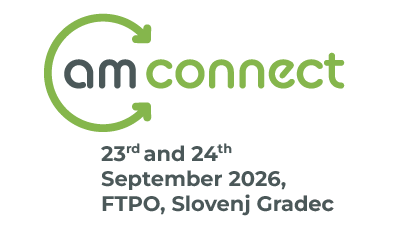
AM Connect: Additive Manufacturing Connects Austria and Slovenia
What will manufacturing look like in the future? What role will 3D printing, artificial intelligence, and new materials play? The international…
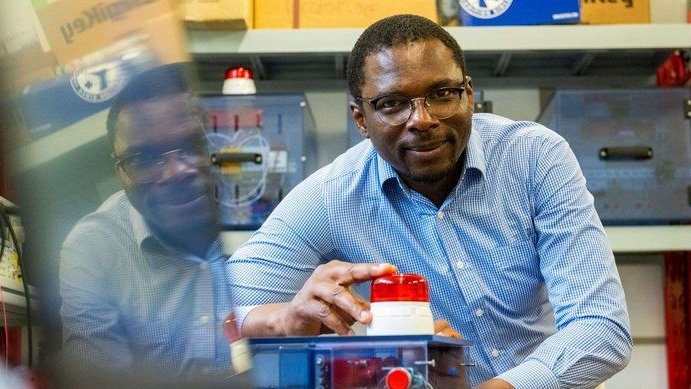
Outstanding Research for a Climate-Neutral Future
A major success for research at CU Carinthia University of Applied Sciences: Our colleague Dr. Emmanuel Oluwasogo was honored with the prestigious…
Kleine Zeitung – Knowledge
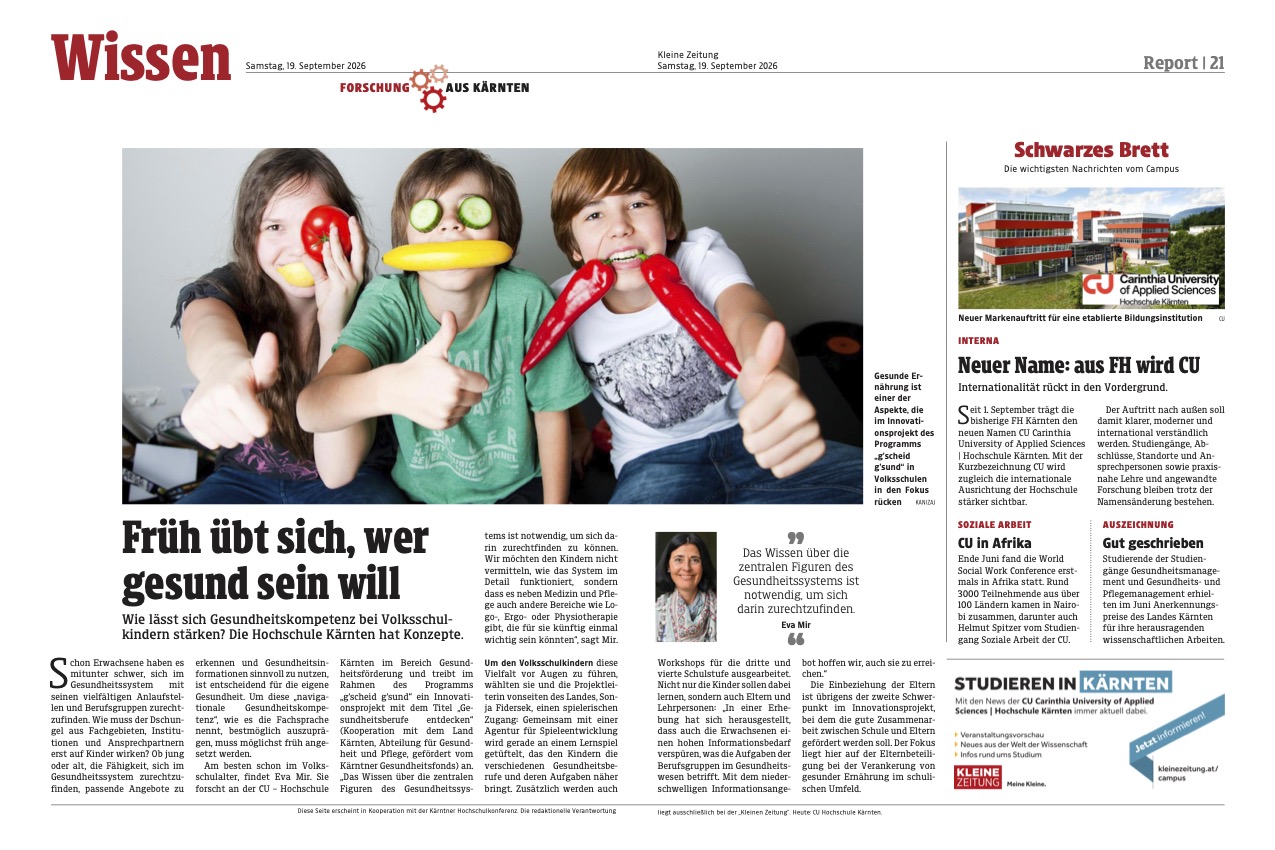 Saturday, September 19, 2026
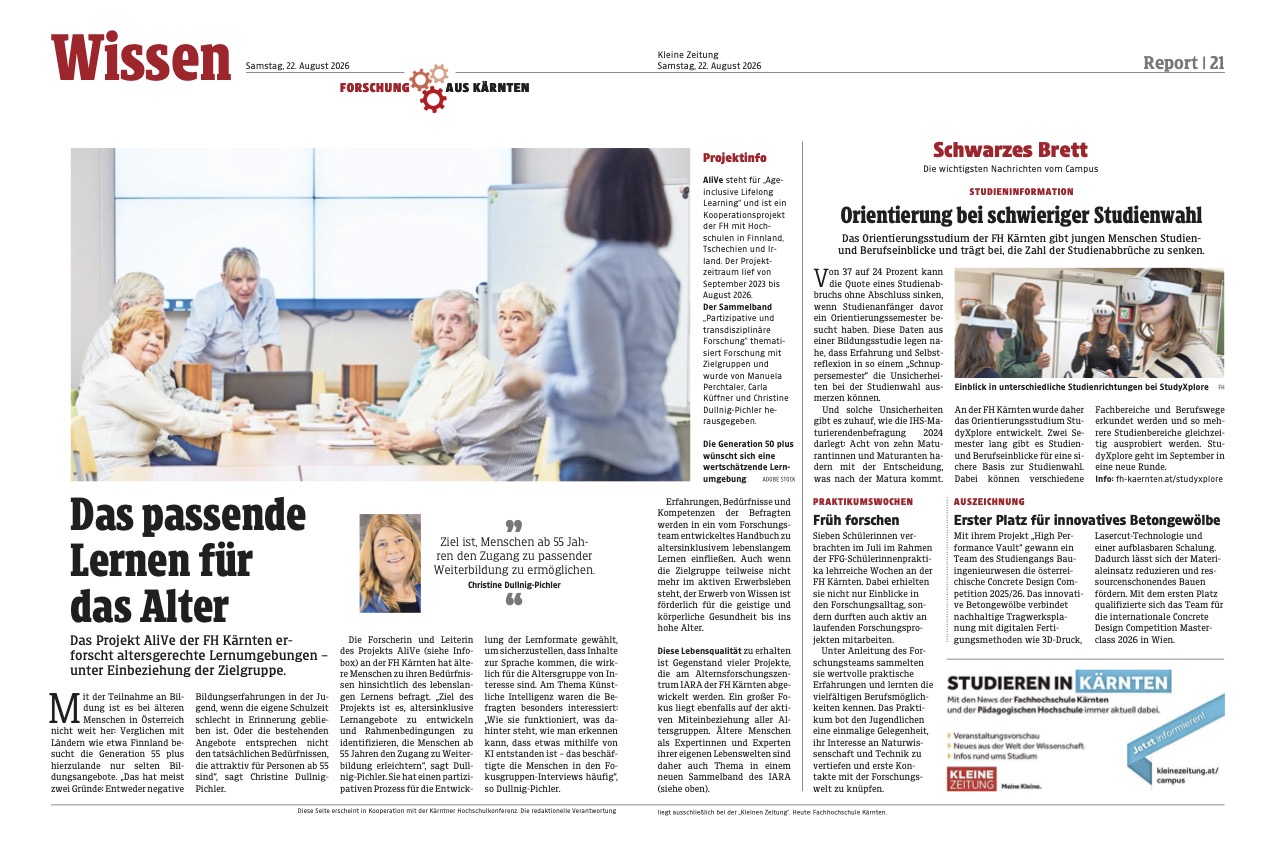 KnowledgeSaturday, August 22, 2026
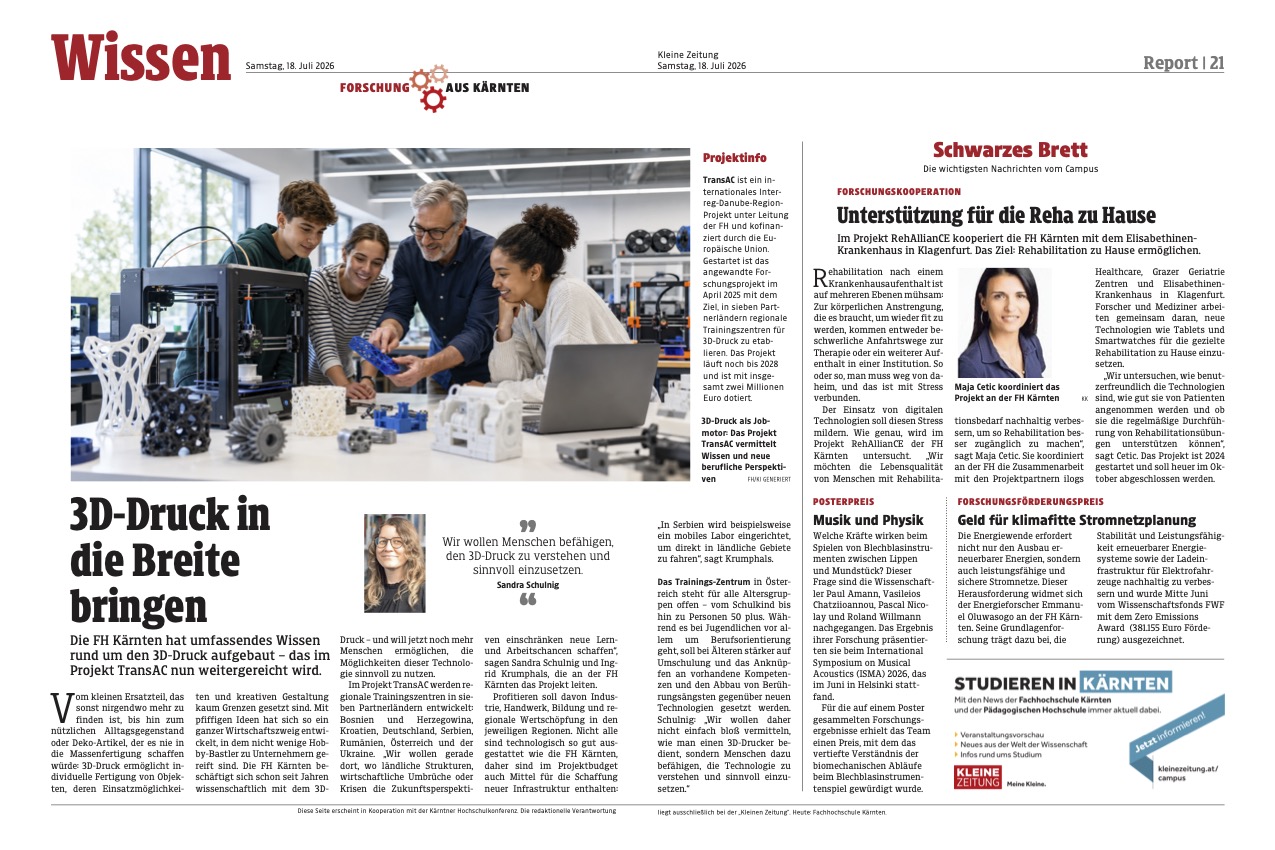 KnowledgeSaturday, July 18, 2026
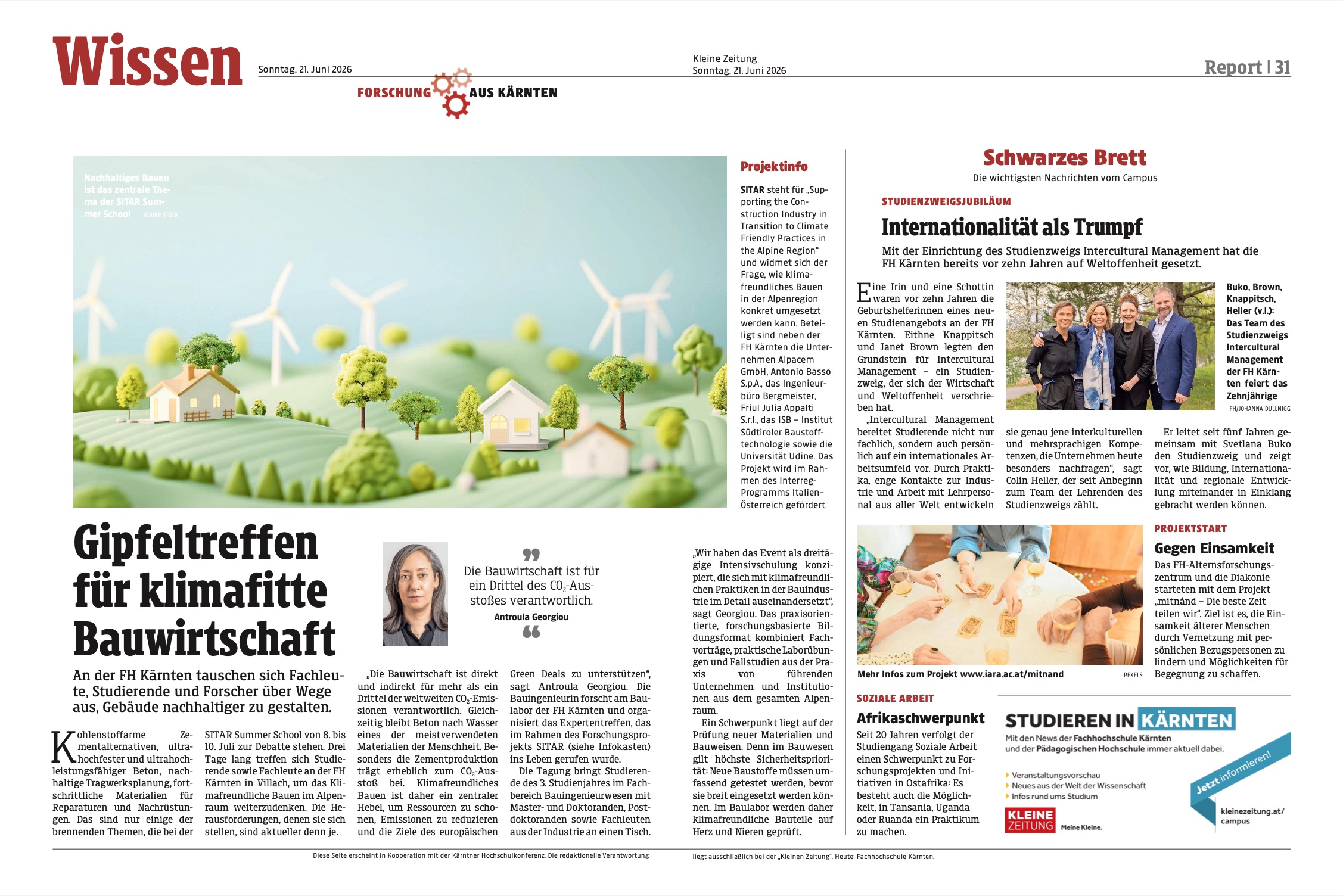 KnowledgeSaturday, June 21, 2026
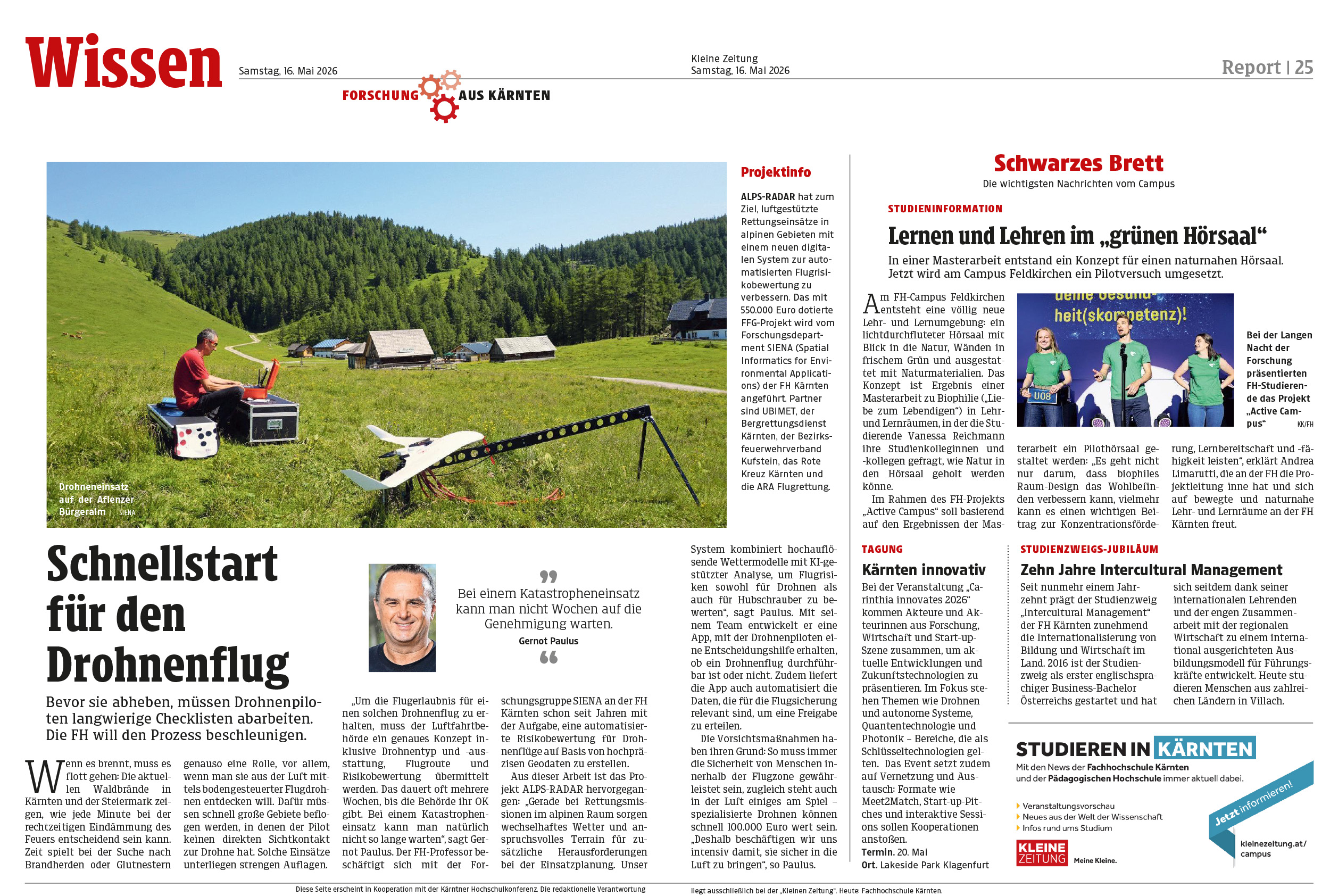 KnowledgeSaturday, May 16, 2026
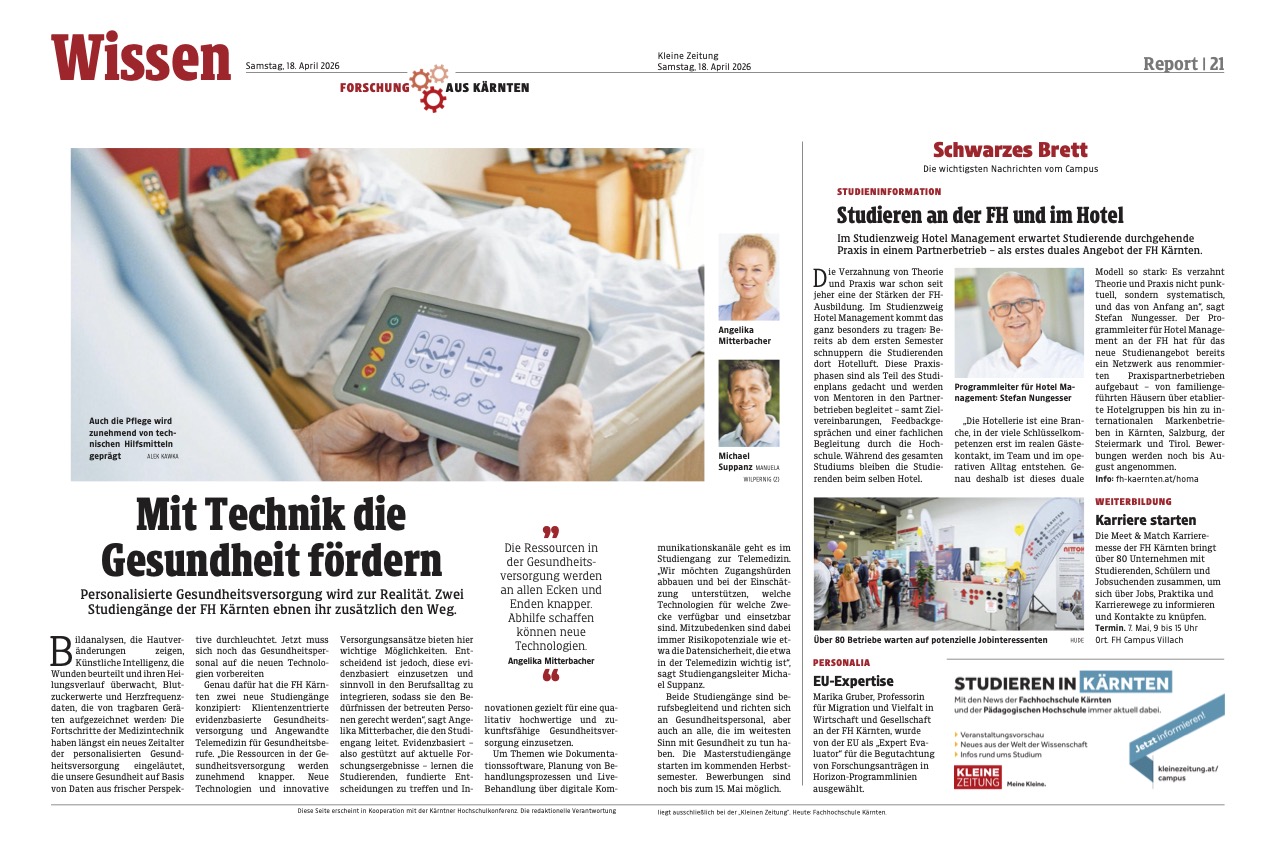 KnowledgeSaturday, April 18, 2026
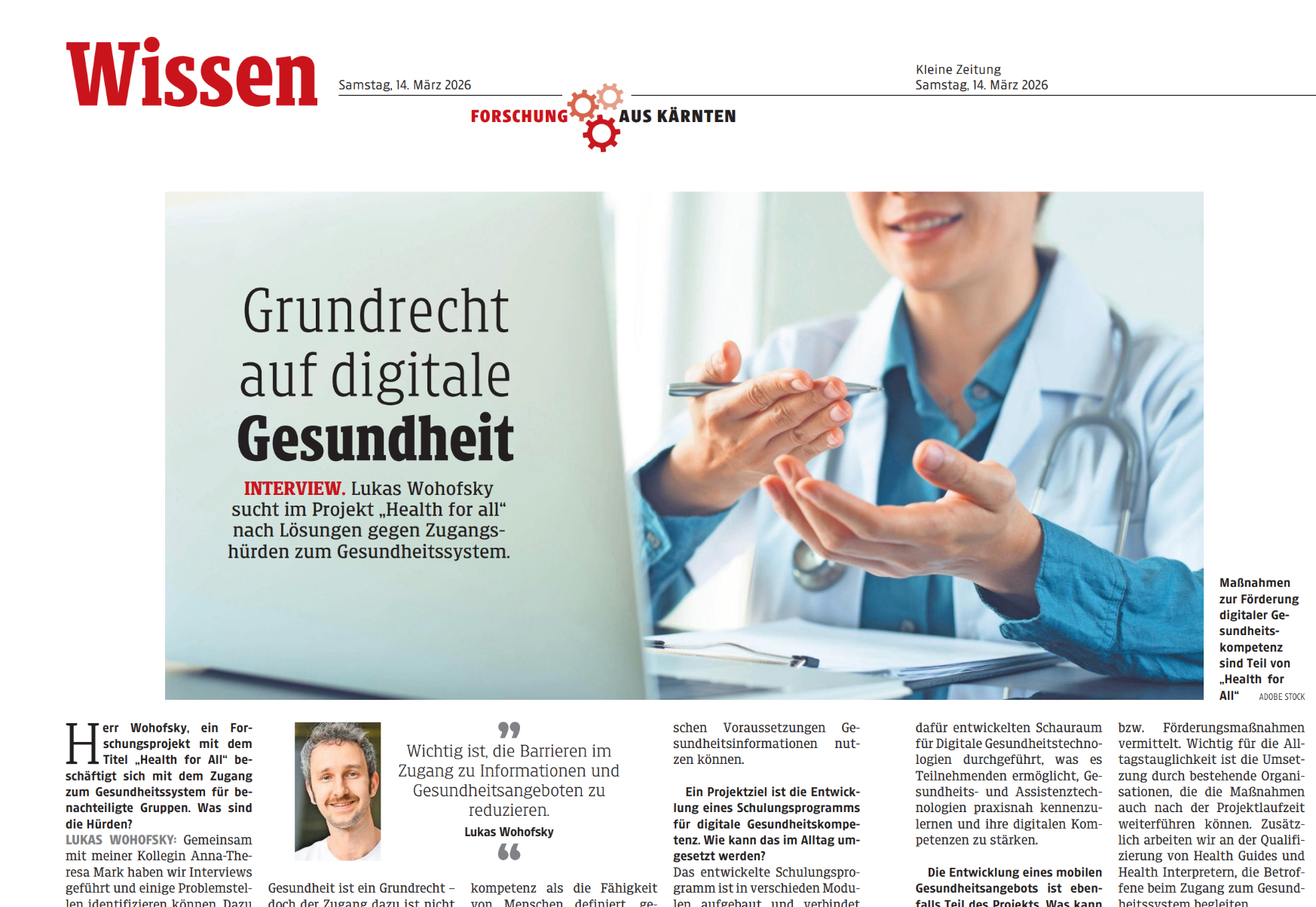 KnowledgeSaturday, March 14, 2026
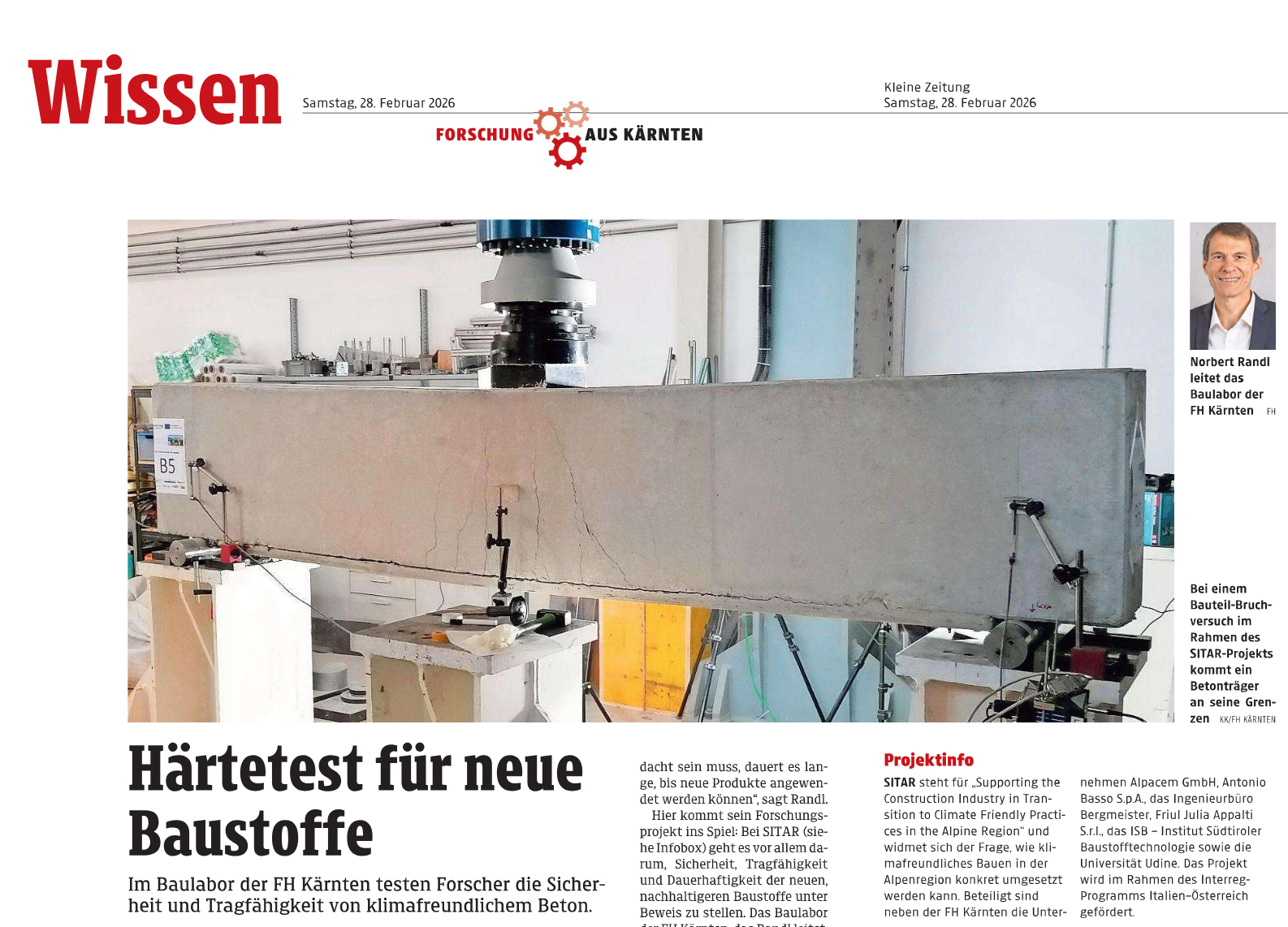 KnowledgeSaturday, February 28, 2026
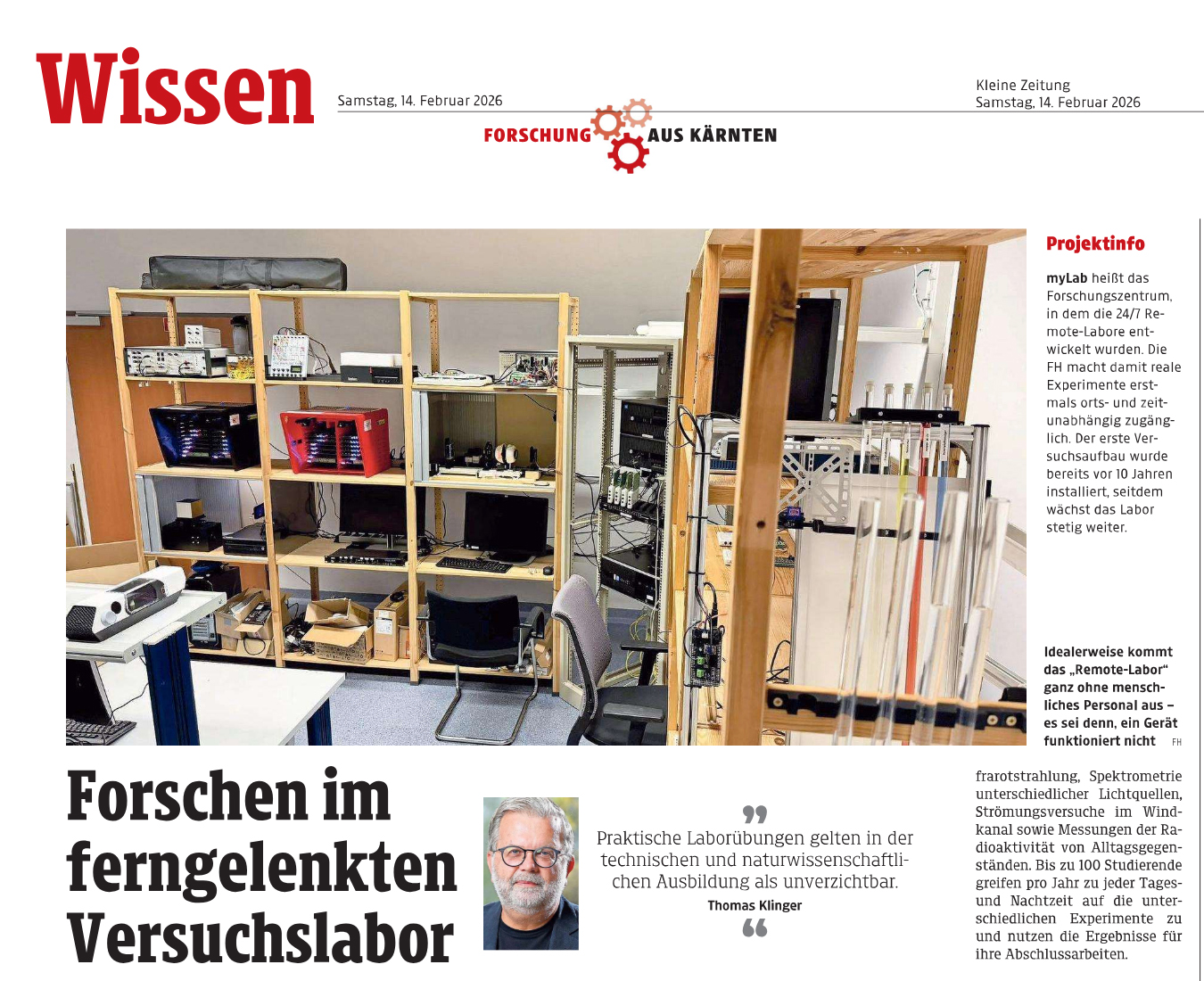 KnowledgeSaturday, February 14, 2026
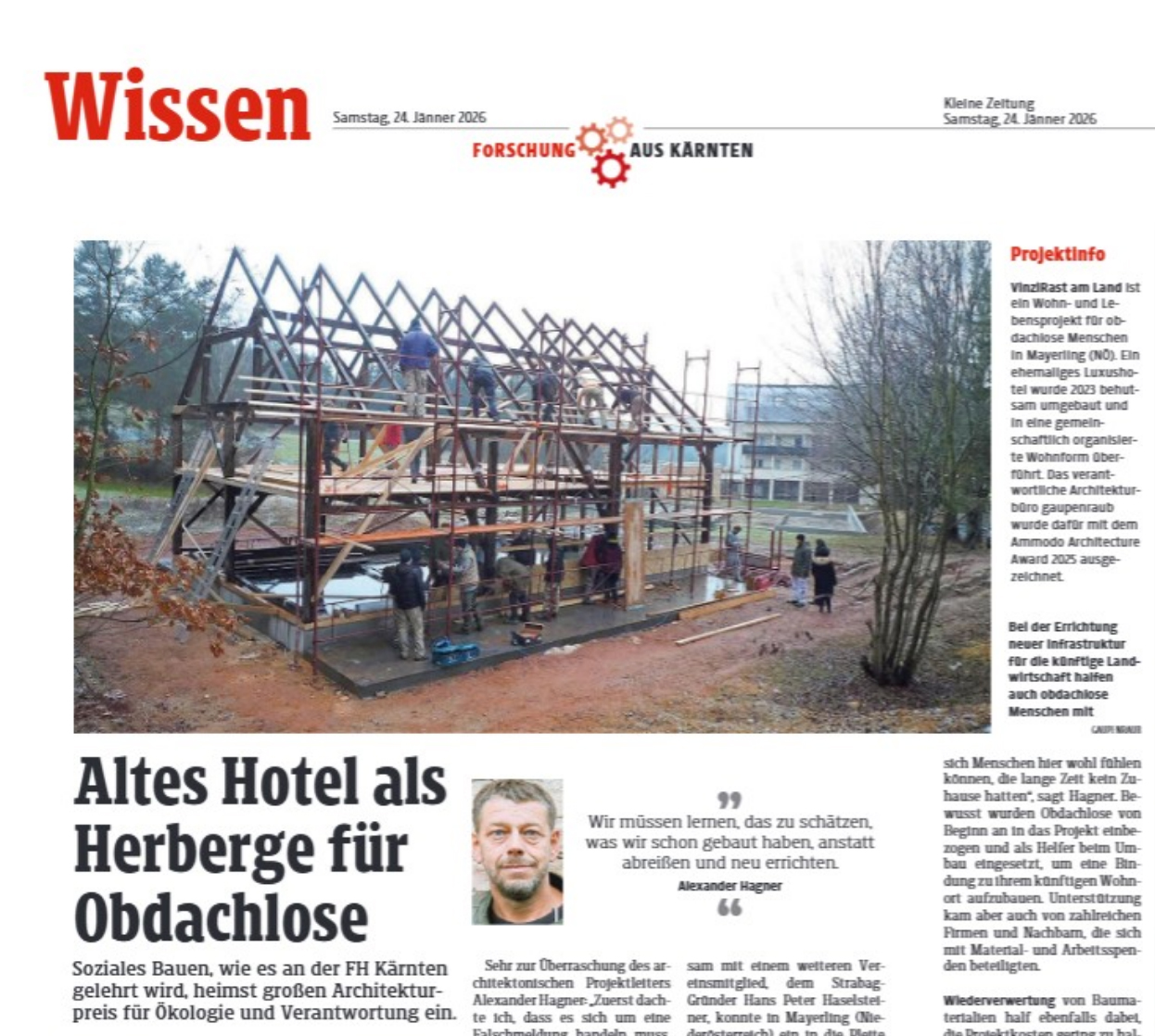 KnowledgeSaturday, January 24, 2026
KLEINE ZEITUNG – RESEARCH REPORTS
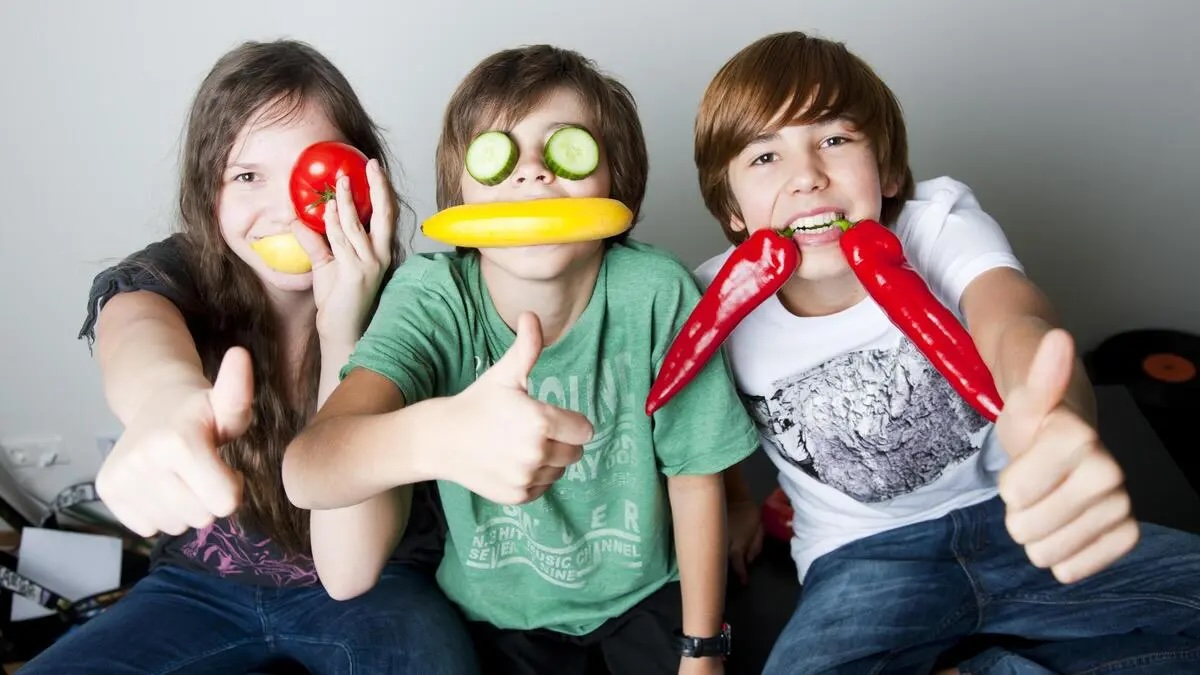
Start early if you want to be healthy
How can we improve the health literacy of elementary school children? CU Carinthia University of Applied Sciences is taking an innovative approach to…

Age-Appropriate Learning
The AliVe project at CU Carinthia University of Applied Sciences is researching age-appropriate learning environments – with the involvement of the…

Expanding the Reach of 3D Printing
CU Carinthia University of Applied Sciences has built up extensive expertise in 3D printing—knowledge that is now being passed on through the TransAC…
SCIENCE COMMUNICATION
CU Carinthia University makes research accessible and brings it to life. The goal of science communication is to present the results of teaching and research clearly and accessibly–to students, academic colleagues, the business community, and the general public. Through transparent communication, knowledge is not only shared but also made accessible and brought into dialogue with society.
To this end, the university uses a variety of formats: publications, lectures, workshops, digital media, events, and social media channels all help to present complex content in an understandable way. Every form of communication follows the principles of precision, clarity, and responsibility. This fosters dialogue between researchers and society and encourages engagement with current issues and innovations.