

Medical Engineering BSc
Bachelor's Degree Program
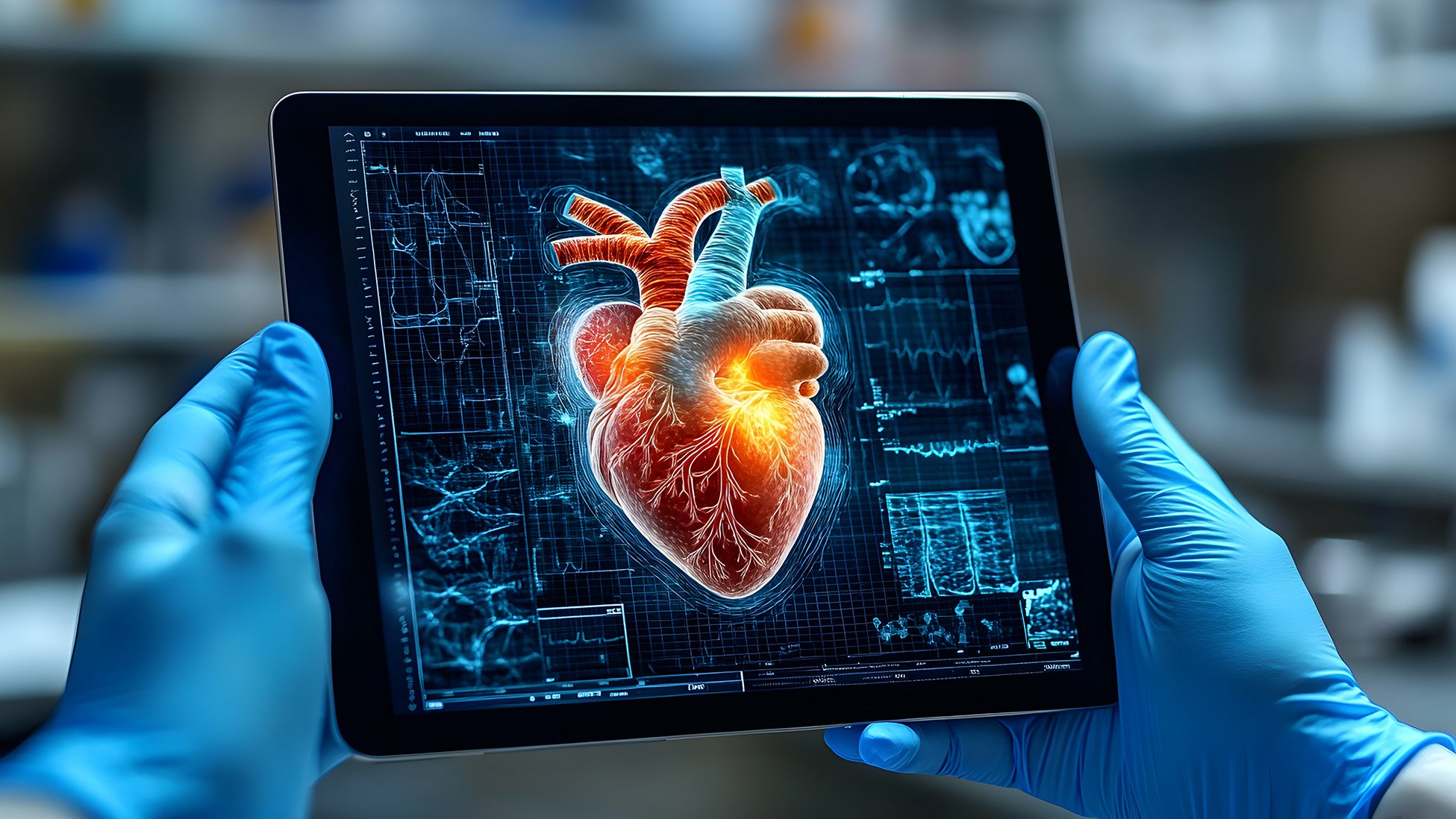
Medical engineering combines engineering, computer science, and medicine–and develops solutions that sustainably improve diagnostics, treatment, and healthcare. As one of the most innovative industries of the future, it offers you outstanding career opportunities and the chance to actively shape the technological transformation of the healthcare sector.
In the Bachelor’s degree program in Information Technologies – Medical Engineering, you’ll learn to develop medical devices, process health data intelligently, and apply digital technologies to patient care. Topics such as imaging, signal processing, health informatics, and augmented reality will specifically prepare you for the demands of modern medical technology. You can complete the program full-time or part-time while working; courses are also offered in English.
Practical labs, modern infrastructure, and a professional internship in Germany or abroad allow you to apply your knowledge early on and gain valuable professional experience. This ensures you’re optimally prepared to enter an industry with excellent future prospects.
Study flexibly. Full-time or part-time.
You decide which program format best suits your life situation. You can complete the bachelor’s degree program in Medical Engineering either full-time or part-time–with the same high quality of education and a practical curriculum.
Is Medical Engineering the right fit for me?
Are you interested in technology, computer science, and medicine? Do you want to understand how modern diagnostic and therapeutic devices work and develop digital solutions for the healthcare sector? If so, the bachelor’s program in Medical Engineering offers you the ideal combination of these three fields.
What can I do after I graduate?
With your degree, a wide range of career paths will be open to you–from medical technology companies to software development and electronics, to hospitals and research institutions. You'll work on innovative technologies and play an active role in shaping the healthcare of tomorrow.
Shape the future of Medical Engineering.
Develop technologies that sustainably improve diagnostics, therapy, and healthcare. Start your bachelor’s degree in Medical Engineering at CU Carinthia University of Applied Sciences today.
Key features of the program
The Bachelor’s degree degree program in Medical Engineering combines engineering, computer science, and medicine into a practice-oriented education for the healthcare system of the future. You’ll develop technical expertise, gain familiarity with modern digital technologies, and work on solutions that sustainably improve diagnostics, therapy, and healthcare.
Bringing Together Engineering, Computer Science, and Medicine
Medical Engineering is an interdisciplinary field. During your studies, you’ll combine technical fundamentals with medical knowledge and computer science skills. You’ll learn how to develop medical devices, process health data intelligently, and design digital systems for use in the healthcare sector.
Developing Innovations in the Lab
Practical experience is the focus from the very beginning. In modern laboratories, through project work, and by tackling interdisciplinary tasks, you’ll work with the latest technologies and develop solutions to real-world challenges in medical technology. You’ll also have the opportunity to get involved in research projects—such as those in the fields of clinical imaging or data processing—and gain valuable experience working with medical devices, software, and digital applications.
You’ll also have the opportunity to get involved in research projects—such as in the fields of clinical imaging or data processing—and gain valuable practical experience.
Professional internship in the U.S. or abroad
In the sixth semester, you’ll apply your knowledge directly in a professional internship. Whether at a company, a research institution, or a healthcare facility—you’ll work on real-world projects, build valuable connections, and gain exciting insights into everyday professional life. This will give you the best possible foundation for your career.
Working with the technologies of tomorrow
Medical Engineering is advancing rapidly. During your studies, you’ll explore cutting-edge technologies such as medical imaging, signal processing, augmented reality, the Internet of Things, and intelligent sensor systems. This will help you develop the skills that are in high demand in an increasingly digitized healthcare system.
Details about the program




Info Box
Level of qualification
Bachelor
ECTS credits
180
Tuition fees*
€ 363.36 / Semester
ÖH (Austrian Student Union) fee
€ 26.20 / Semester
Qualification awarded
Bachelor of Science in Engineering
Duration of study
6 Semester
Language of instruction
English
CU Campus
- Klagenfurt
- Villach
Dates Info Box
Winterterm 2026
Period I: 01.11.-15.03.26
Period II: 16.03.-15.05.26
Period III: 16.05.-15.07.26
Period IV: 16.07.-30.09.26*
Due to lengthy visa processes, applications from Africa, the Middle East and South, East, and Southeast Asia only in Period I.
*We reserve the right to close this period early.
The winter semester begins in the second half of September.
An overview on our upcoming events can be found here.
You are interested in a personal (online) study consultation or would like to receive more information on the degree program? Click on the buttons below this checkbox to learn more.
Language of Instruction: English (min B2)
Application essentials:
More information on the application process, admission requirements and necessary documents can be found here.
* Tuition for non-EU/EEA citizens: €500 + €26.20 ÖH fee (per semester)
FAQ
Frequently asked questions about the Bachelor’s Degree Program in
“Information Technologies – Medical Engineering.”
Do I need prior knowledge of medicine?
No. The medical fundamentals are taught step by step during the program. Above all, it’s important to have an interest in technology, computer science, and the natural sciences.
Can I start right away after completing my HTL?
Yes. Graduates of relevant technical high schools (HTLs) are well-prepared to begin their studies. Depending on their prior education, they may also be able to receive credit for certain courses.
Do I need to know how to program?
No. Programming skills are not a prerequisite. During the program, you'll learn the necessary basics step by step.
Insights into the program
Students, graduates, and faculty members share firsthand accounts of the Bachelor’s program in IT Medical Engineering, everyday student life, and their experiences at CU Carinthia University of Applied Sciences.


Book an online information session
During the online information sessions, the program directors or academic directors provide detailed information about the program. Topics include course content, internships, admission requirements, and potential career prospects.
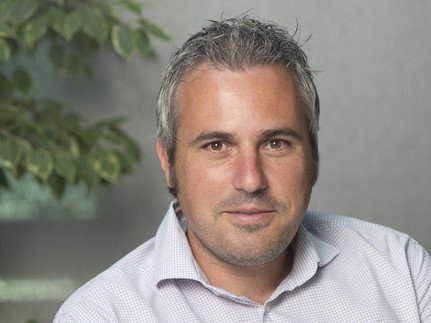
Prof. Günther Grabner, Ph.D., Lecturer at the University of Applied Sciences
Program Director
g.grabner(at)cuas.at
Research and Teaching Facilities
The laboratories at CU Carinthia University provide a modern infrastructure that supports hands-on learning and innovative research. Equipped with state-of-the-art technologies and specialized equipment, they enable students and researchers to work on projects across a wide range of fields, including engineering, computer science, business, and health.
The laboratories are designed to meet current industry standards and requirements, providing an ideal environment for developing new ideas, technologies, and solutions.
INFORMATION & APPLICATION
Virtual Campus Tour
Contact

Erika Gamnig
Information
Technology +43 5 90500 3102
e.gamnig(at)cuas.at
On foot
From Klagenfurt Central Station, you can reach the campus in about 20 minutes on foot (1.7 km). The route takes you east along Bahnstraße and then along Gerberweg to the campus.
By public transportation
From Klagenfurt Central Station, take Line A to the “FH Kärnten” stop operated by Stadtwerke Klagenfurt. From the station building, turn left toward the bus station.
By car
Coming from the west—for example, via the A10 Tauern Autobahn or A11 Karawanken Autobahn—take the A2 Südautobahn to the Klagenfurt/Wörthersee exit. Then follow the Südring for about 7 km and turn toward the city center at the Südring/Gerberweg intersection. After about 150 m, turn right toward the campus.
If you’re coming from the east, take the Klagenfurt-Ost exit on the A2 Südautobahn. Then drive toward Klagenfurt-Zentrum, continue along Völkermarkter Straße, and then turn left onto the Südring. At the Südring/Gerberweg intersection, turn toward the city center and, after about 150 m, turn right toward the campus.
Coming from the south, you can reach the campus via the B91 Rosentaler Straße. At the Rosentaler Straße/Südring intersection, turn onto the Südring and follow it for about 2.5 km to the Südring/Gerberweg intersection. There, turn toward the city center and, after about 150 m, turn right toward the campus.
Coming from the north, drive toward the city center on the B83 St. Veiter Straße until you reach the St. Veiter Straße/St. Veiter Ring intersection. Then follow St. Veiter Ring, then Völkermarkter Ring, and continue on Lastenstraße until you reach Gerberweg. After about 750 m, turn left toward the campus.
By Plane
There are several airports in the area to choose from:
- Klagenfurt: approx. 15-minute drive
- Ljubljana (Slovenia): approx. 1 hour 10 minutes by car
- Graz: about 1 hour and 30 minutes by car
- Salzburg: approx. 2 hours and 30 minutes by car
- Trieste and Venice (Italy): approx. 2 to 3 hours’ drive
- Vienna: approx. 3 hours 30 minutes drive
- Munich: approx. 4 hours 15 minutes travel time
The rest of the journey to the Klagenfurt Primoschgasse campus can then be completed by train, bus, taxi, or car.