

Network Engineering BSc
Bachelor's Degree Program
Do you want to understand how people, machines, and digital systems communicate with one another? Then the Network Engineering track is the perfect fit for you.
During your studies, you’ll explore the technologies that make our connected world possible–from software development and network engineering to 5G mobile communications, the Internet of Things (IoT), and artificial intelligence (AI), all the way to optical communication networks and Software-Defined Networking (SDN). At the same time, you’ll acquire a solid foundation in electrical engineering, computer science, mathematics, and physics, and develop practical solutions for modern communication systems.
This will lay the foundation for a career in one of the most dynamic sectors of information technology, while also paving the way for advanced master’s studies or a career in research and development.
Study in English
This program is also offered in English. This allows you to strengthen not only your technical expertise but also your language skills in an international academic environment.
Work & Study
This program allows you to balance your career with your studies. This way, you can apply what you learn directly in the workplace while continuing your studies.
Specialization
Starting in the third semester, you’ll choose your own areas of focus and gain valuable hands-on experience during your professional internship to prepare for your career.
Are you ready to build the connections of the future?
Let’s redefine digital connectivity…
Special features of the program
Digital communication is evolving rapidly–and so are the demands placed on modern networks. In the Network Engineering program, you’ll explore the latest technologies and develop the skills needed to actively help shape communication systems.
Tomorrow's Communication Technologies
You’ll work with cutting-edge technologies such as 5G mobile communications, the Internet of Things (IoT), artificial intelligence (AI), software-defined networking (SDN), and optical communication networks. This means that even as a student, you’ll be engaging with developments that are shaping digital connectivity.
Connecting Software and Networks
The program combines traditional network technology with software development, app development, and modern network architectures. This will enable you to gain a comprehensive understanding of digital communication systems and to further develop them.
Gain a Solid Understanding of Technology
Electrical engineering, computer science, mathematics, and physics form the foundation for more advanced topics in network and communications technology. This will help you develop a solid technical understanding of complex systems.
Hands-On Experience from the Start
A mandatory professional internship in the sixth semester bridges the gap between your studies and the professional world. This allows you to gain valuable practical experience while you’re still in school and make your first connections in the industry.
Set Your Own Priorities
Starting in the third semester, you’ll deepen your knowledge in required-elective courses such as Data Science, Mobile Systems Development, or the Internet of Things (IoT), and develop your own personalized skill set.

Details about the program




Info Box
Level of qualification
Bachelor
ECTS credits
180
Tuition fees*
€ 363.36 / Semester
ÖH (Austrian Student Union) fee
€ 26.20 / Semester
Qualification awarded
Bachelor of Science in Engineering
Duration of study
6 Semester
Language of instruction
German
CU Campus
- Klagenfurt
- Villach
Level of qualification
Bachelor
ECTS credits
180
Tuition fees*
€ 363.36 / Semester
ÖH (Austrian Student Union) fee
€ 26.20 / Semester
Qualification awarded
Bachelor of Science in Engineering
Duration of study
6 Semester
Language of instruction
English
CU Campus
- Klagenfurt
- Villach
Level of qualification
Bachelor
ECTS credits
180
Tuition fees*
€ 363.36 / Semester
ÖH (Austrian Student Union) fee
€ 26.20 / Semester
Qualification awarded
Bachelor of Science in Engineering
Duration of study
6 Semester
Language of instruction
German
CU Campus
- Klagenfurt
- Villach
Dates Info Box
Winterterm 2026
Period I: 01.11.-15.03.26
Period II: 16.03.-15.05.26
Period III: 16.05.-15.07.26
Period IV: 16.07.-30.09.26
Due to lengthy visa processes, applications from Africa, the Middle East and South, East, and Southeast Asia only in Period I.
*We reserve the right not to open the period or to close it early.
The winter semester begins in the second half of September.
An overview on our upcoming events can be found here.
You are interested in a personal (online) study consultation or would like to receive more information on the degree program? Click on the buttons below this checkbox to learn more.
Language of Instruction: German (min B2)
Elective modules (4th semester onwards) and the associated examinations are conducted exclusively in English.
Application essentials:
More information on the application process, admission requirements and necessary documents can be found here.
Winterterm 2026
Period I: 01.11.-15.03.26
Period II: 16.03.-15.05.26
Period III: 16.05.-15.07.26
Period IV: 16.07.-30.09.26*
Due to lengthy visa processes, applications from Africa, the Middle East and South, East, and Southeast Asia only in Period I.
*We reserve the right to close this period early.
The winter semester begins in the second half of September.
An overview on our upcoming events can be found here.
You are interested in a personal (online) study consultation or would like to receive more information on the degree program? Click on the buttons below this checkbox to learn more.
Language of Instruction: English (min B2)
Application essentials:
More information on the application process, admission requirements and necessary documents can be found here.
Winterterm 2026
Period I: 01.11.-15.03.26
Period II: 16.03.-15.05.26
Period III: 16.05.-15.07.26
Period IV: 16.07.-30.09.26*
Due to lengthy visa processes, applications from Africa, the Middle East and South, East, and Southeast Asia only in Period I.
*We reserve the right not to open the period or to close it early.
The winter semester begins in the second half of September.
An overview on our upcoming events can be found here.
You are interested in a personal (online) study consultation or would like to receive more information on the degree program? Click on the buttons below this checkbox to learn more.
Language of Instruction: German (min B2)
Elective modules (4th semester onwards)and the associated examinations are conducted exclusively in English.
Application essentials:
More information on the application process, admission requirements and necessary documents can be found here.
* Tuition for non-EU/EEA citizens: €500 + €26.20 ÖH fee (per semester)
FAQ
Frequently asked questions about the Bachelor’s Degree Program in
“Network Engineering”
Do I need any prior programming experience?
No. An interest in technical topics and logical thinking are important prerequisites. The necessary programming skills are systematically developed and continuously expanded throughout the degree program.
What career paths are open to me?
Graduates work in fields such as software development, network engineering, app development, database administration, research and development, and technical project management, among others.
How diverse is the program?
Very versatile. The program combines telecommunications, computer science, and networked systems, and covers topics such as software development, network engineering, app development, and current communication technologies.
Insights into the Program
Students, graduates, and faculty members share first-hand accounts of the Network Technology and Communication Engineering program, daily student life, and their experiences at CU Carinthia University of Applied Sciences.



Book an online information session
During the online information sessions, the program directors or academic directors provide detailed information about the program. Topics include course content, internships, admission requirements, and potential career prospects.
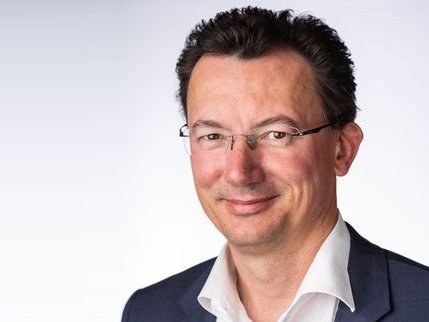
Simon Grasser, B.Eng., MBA
Engineering & IT
s.grasser(at)cuas.at
Research and Teaching Facilities
The laboratories at CU Carinthia University provide a modern infrastructure that supports hands-on learning and innovative research. Equipped with state-of-the-art technologies and specialized equipment, they enable students and researchers to work on projects across a wide range of fields, including engineering, computer science, business, and health.
The laboratories are designed to meet current industry standards and requirements, providing an ideal environment for developing new ideas, technologies, and solutions.
INFORMATION & APPLICATION
Virtual Campus Tour
On foot
From the Villach Seebach train station, you can reach the campus in about 20 minutes on foot (1.6 km). The route follows the Drau River to the campus.
By public transportation
The campus is directly accessible from Villach Central Station via bus lines 3 and 8 to the “Technologiepark” stop. From the Villach Seebach train station, you can also reach the campus by taking bus line 8 to the “Technologiepark” stop. The Villach city bus schedules are coordinated with the ÖBB schedules.
By car
Coming from Klagenfurt/Vienna, take the A2 Südautobahn to the Wernberg exit. From there, follow the B83 Kärntner Straße toward Villach for about 2 km, then follow the signs toward Magdalenen See or Technologiepark.
Coming from Salzburg/Munich via the A10 Tauern Autobahn, take the Villach/Ossiacher See exit and follow the B33 Kärntner Straße for about 2 km toward Wernberg/Klagenfurt. Then turn toward Magdalenen See and follow the road to the Technology Park.
There are several free parking spaces right in front of the building, and additional paid parking spaces are available in the surrounding area.
By Plane
There are several airports in the area:
- Klagenfurt: approx. 30-minute drive
- Ljubljana (Slovenia): approx. 1-hour drive
- Graz: approx. 2-hour drive
- Salzburg: approx. 2-hour drive
- Trieste and Venice (Italy): about 2 to 3 hours by car
- Vienna: about a 4-hour drive
- Munich: approx. 4-hour drive
From there, you can continue your journey to the Villach campus by train, bus, taxi, or car.
Contact

Erika Gamnig
Information
Technology +43 5 90500 3102
e.gamnig(at)cuas.at
Campus Klagenfurt South
Primoschgasse 8-10, 9020 Klagenfurt
+43 5 90500 3301
klagenfurt@cuas.at
Virtual Campus Tour
On foot
From Klagenfurt Central Station, you can reach the campus in about 20 minutes on foot (1.7 km). The route takes you east along Bahnstraße and then along Gerberweg to the campus.
By public transportation
From Klagenfurt Central Station, take Line A to the “FH Kärnten” stop operated by Stadtwerke Klagenfurt. From the station building, turn left toward the bus station.
By car
Coming from the west—for example, via the A10 Tauern Autobahn or A11 Karawanken Autobahn—take the A2 Südautobahn to the Klagenfurt/Wörthersee exit. Then follow the Südring for about 7 km and turn toward the city center at the Südring/Gerberweg intersection. After about 150 m, turn right toward the campus.
If you’re coming from the east, take the Klagenfurt-Ost exit on the A2 Südautobahn. Then drive toward Klagenfurt-Zentrum, continue along Völkermarkter Straße, and then turn left onto the Südring. At the Südring/Gerberweg intersection, turn toward the city center and, after about 150 m, turn right toward the campus.
Coming from the south, you can reach the campus via the B91 Rosentaler Straße. At the Rosentaler Straße/Südring intersection, turn onto the Südring and follow it for about 2.5 km to the Südring/Gerberweg intersection. There, turn toward the city center and, after about 150 m, turn right toward the campus.
Coming from the north, drive toward the city center on the B83 St. Veiter Straße until you reach the St. Veiter Straße/St. Veiter Ring intersection. Then follow St. Veiter Ring, then Völkermarkter Ring, and continue on Lastenstraße until you reach Gerberweg. After about 750 m, turn left toward the campus.
By Plane
There are several airports in the area to choose from:
- Klagenfurt: approx. 15-minute drive
- Ljubljana (Slovenia): approx. 1 hour 10 minutes by car
- Graz: about 1 hour and 30 minutes by car
- Salzburg: approx. 2 hours and 30 minutes by car
- Trieste and Venice (Italy): approx. 2 to 3 hours’ drive
- Vienna: approx. 3 hours 30 minutes drive
- Munich: approx. 4 hours 15 minutes travel time
The rest of the journey to the Klagenfurt Primoschgasse campus can then be completed by train, bus, taxi, or car.