

Disability & Diversity Studies BA - Bachelor's Degree
In the Bachelor’s Degree Program in Disability & Diversity Studies (DDS) at CU Carinthia University of Applied Sciences, you’ll learn to identify social barriers, promote inclusion, and professionally foster diversity. This interdisciplinary program combines foundational knowledge from education, sociology, psychology, philosophy, and law.
You’ll engage deeply with diversity in society – the acceptance of differences in areas such as gender, social class, race, age, or disability is a key focus of the program.
The curriculum is characterized by participation and interdisciplinarity. It prepares you for diversity management in organizations as well as for consulting on accessibility and inclusion. The program also bridges the gap to technology to address the challenges of digitalization in the social and healthcare sectors. The academic discourse focuses on areas of cultural studies such as disability, diversity, and gender studies. The goal of the program is to dismantle the derogatory categorization of people based on certain dimensions of diversity (such as disability, age, etc.) so that everyone can participate on an equal footing. To this end, you will learn about participatory research methods in which people directly affected are actively involved in research and development processes.
After graduation, you can contribute to breaking down barriers, strengthening participation, and sustainably developing inclusive structures in various sectors of society.
Actively shaping diversity.
This program is designed for anyone who wants to break down social barriers, promote participation, and develop inclusive solutions. You’ll examine social issues from a variety of disciplinary perspectives.
Rethinking support.
You will explore alternative support models, assistive technologies, and the community care approach. In the process, you will learn about various approaches that promote social participation and help reduce exclusion.
Barrier-free communication.
The Program is characterized by inclusive language, augmentative and alternative communication, and English as a language of instruction. In addition, you can learn sign language alongside Italian and Slovenian. This allows you to expand your language skills and sensitivity to diversity, opening up new avenues of communication.
Ready to shape the future of diversity?
Let’s break new ground.
Special Features of the Program
The Bachelor’s Degree Program in Disability & Diversity Studies combines social issues with practical perspectives on inclusion, accessibility, and social innovation. In this Program – the only one of its kind in Austria – you can gain professional experience, choose your own areas of focus, and develop your own socially relevant ideas.
Setting Individual Priorities
During your studies, you can choose your own areas of focus. You can choose from required elective modules in the areas of Disability, Diversity & Technology; Disability, Diversity & Care; Disability, Diversity & Accessibility; and Fundamentals of Social Work. This allows you to delve deeper into topics such as social and technical solutions, support services, care concepts, or accessibility, depending on your interests.
Breaking Down Barriers – Embracing Diversity
During the Program, you’ll learn about various aspects of disability and diversity management. Issues of accessibility and diversity are examined in relation to key areas of society – from work, education, and housing to leisure, tourism, art, and culture.
Bringing Social Ideas to Life through Projects
You’ll have the opportunity to plan and implement your own ideas as part of a three-semester (research) project. In doing so, you’ll explore how socially relevant approaches can be translated into concrete projects and put into practice.
Study & Work
Through the exclusive Study & Work program at CU Carinthia University of Applied Sciences, you can gain professional experience while you’re still in school and apply your theoretical knowledge directly. More than 100 partner companies and organizations are available for this purpose. Depending on your program of study, you can work up to a maximum of 20 hours per week.
Details about the Program




Info Box
Level of qualification
Bachelor
ECTS credits
180
Tuition fees*
€ 363.36 / Semester
ÖH (Austrian Student Union) fee
€ 26.20 / Semester
Qualification awarded
Bachelor of Arts in Social Sciences
Duration of study
6 Semester
Language of instruction
German
CU Campus
Klagenfurt
Dates Info Box
Winterterm 2026
Period I: 01.11.-15.03.26
Period II: 16.03.-15.05.26
Period III: 16.05.-15.07.26
Period IV: 16.07.-30.09.26*
Due to lengthy visa processes, applications from Africa, the Middle East and South, East, and Southeast Asia only in Period I.
*We reserve the right not to open the period or to close it early.
Winter semester starts in October. We only offer intake in winterterm!
The start of lectures can be found in the individual timetable which is available after enrollment.
Thursday from 4:30 p.m. to 9:30 p.m. Friday from 12:45 p.m. to 7:45 p.m. Saturday from 8:30 a.m. to 5:45 p.m.
An overview on our upcoming events can be found here.
You are interested in a personal (online) study consultation or would like to receive more information on the degree program? Click on the buttons below this checkbox to learn more.
Language of Instruction: German (min B2)
Application essentials:
More information on the application process, admission requirements and necessary documents can be found here.
* Tuition for non-EU/EEA citizens: €500 + €26.20 ÖH fee (per semester)
Spotlights
Here, the development team and the instructors introduce themselves.
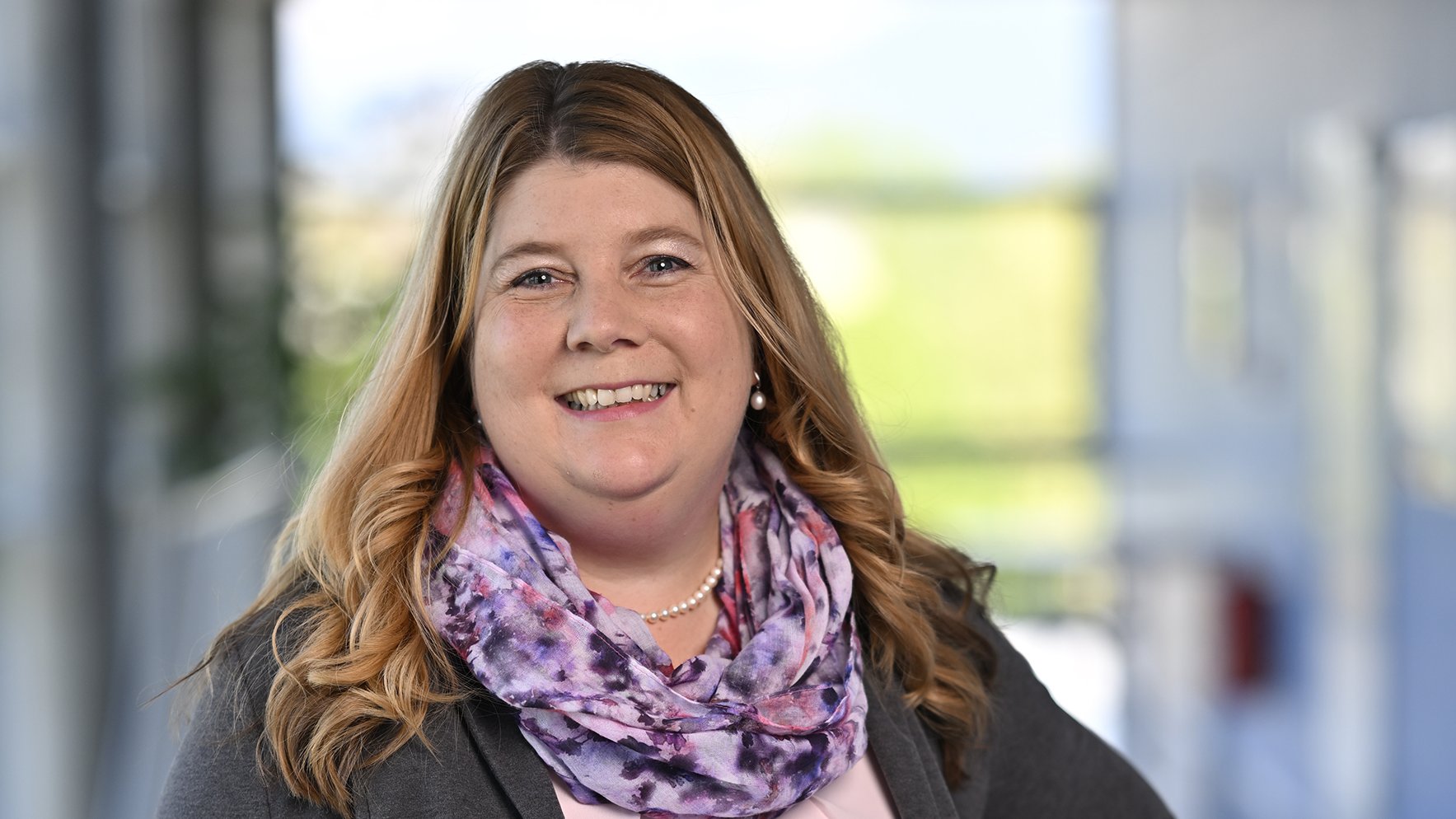
Prof. Christine Dullnig-Pichler, Ph.D., BA, MA
Head of: Joint Master’s Program in Active Aging and Age-Friendly Society (EMMA) and the IARA Department ISAC – Intergenerational Solidarity, Activity,…
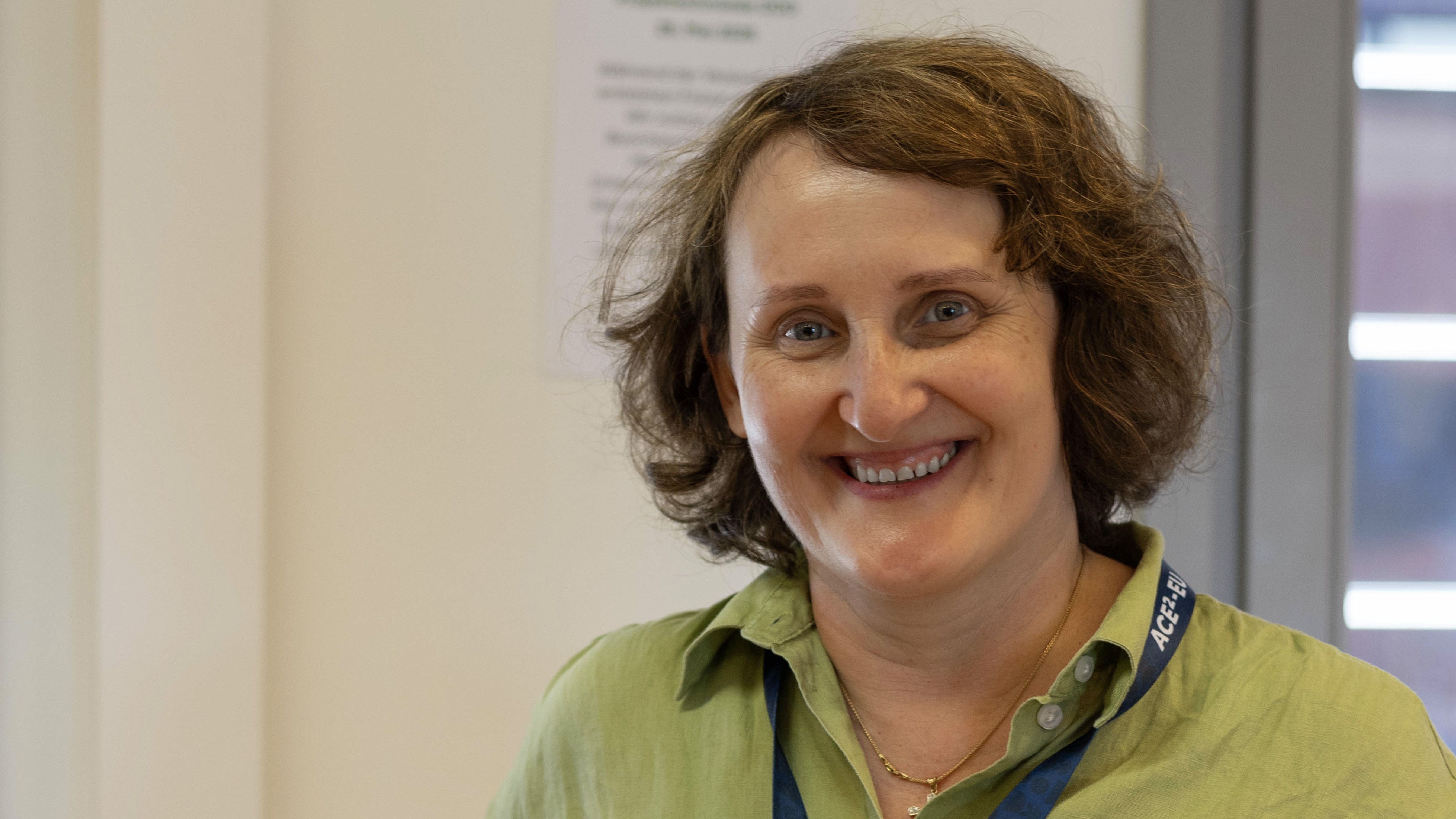
Oana Stefana Mitrea, MA, Ph.D., Ph.D.
Chair of Disability and Diversity in the Context of Digital Transformation
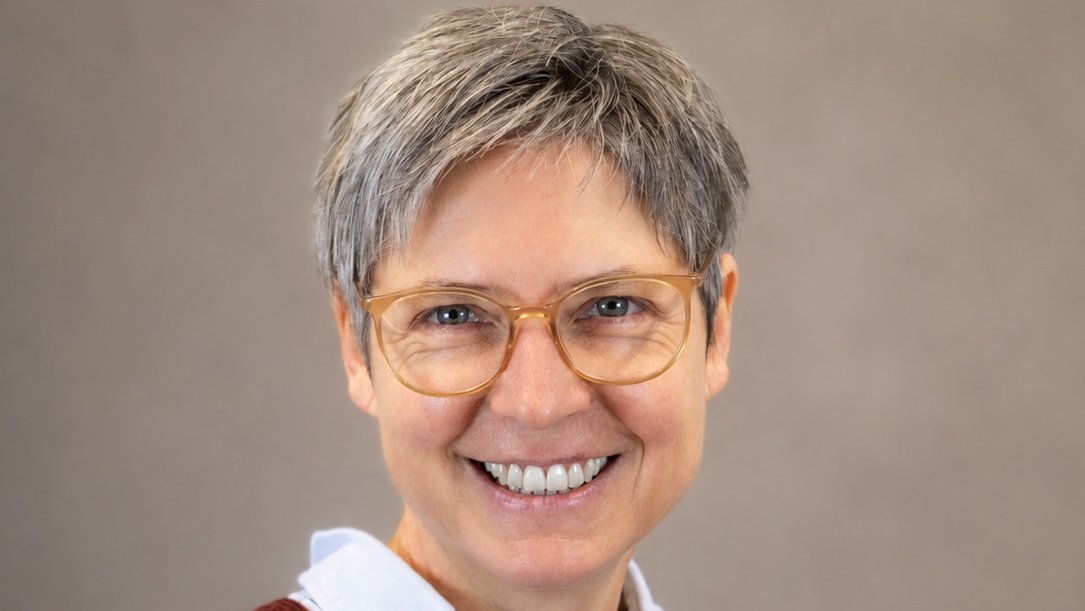
Verena Komposch, BA, MA
Senior Researcher / Lecturer / Internship Coordinator
FAQ
Frequently asked questions about the “Disability & Diversity Studies” Bachelor’s Degree
Can I go on to pursue a Master's Degree?
Yes, with a Bachelor’s Degree in Disability & Diversity Studies, you can apply for related Master’s Programs. At CU Carinthia University of Applied Sciences, for example, there is a Master’s Program in Disability, Diversity & Digitalization. Admission is subject to the specific requirements of the chosen Master’s Program.
Is the Disability & Diversity Studies Program practical?
Yes, practical projects, professional and research internships, and application-oriented courses are firmly integrated into the curriculum. You’ll learn to apply scientific findings to specific social and organizational issues. Among other things, you’ll explore accessibility, inclusion, organizational development, self-advocacy, and the design of inclusive living environments.
What does "Design for All" mean in the DDS Program?
“Design for All” in the DDS Bachelor’s Program at CU refers to the development of services, products, and solutions that are accessible to as many people as possible. As part of the Program, you’ll also collaborate across disciplines with students in technical Degree Programs. In doing so, you’ll explore accessible digital offerings, augmentative and alternative communication, and the integration of diverse user perspectives.
Insights into the Program
Students, graduates, and faculty members share firsthand accounts of Disability & Diversity Studies, everyday student life, and their experiences at CU Carinthia University of Applied Sciences.

The world needs men who take responsibility.
Emmanuel Knes, Graduate of the Bachelor’s Program in Disability & Diversity Studies
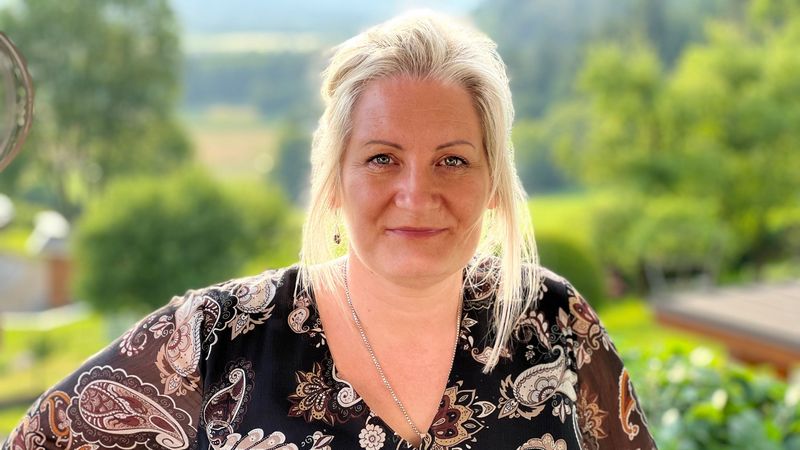
From Floristry to Managing Social Service Organizations
Marina Jellitsch, Graduate of the Bachelor’s Program in Disability & Diversity Studies
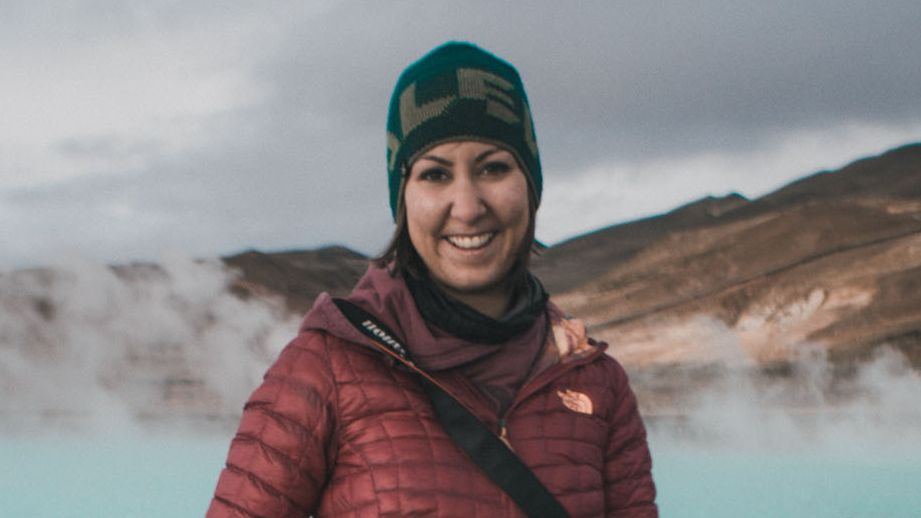
Taking detours broadens your knowledge of the area
Laura Schnedl, Graduate of the Bachelor’s Program in Disability & Diversity Studies
Book an online information session
During the online information sessions, the program directors or academic directors provide detailed information about the program. Topics include course content, internships, admission requirements, and potential career prospects.
Leadership Team
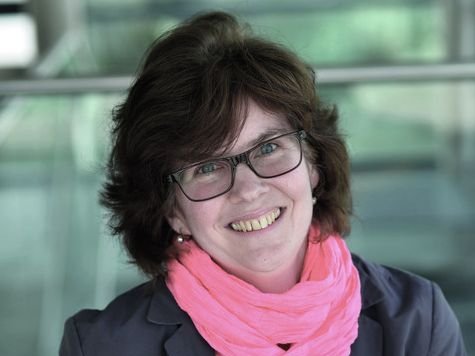
Prof. Susanne Dungs, M.A., Ph.D., Habil.
Program Director
+43 5 90500 4225
s.dungs(at)cuas.at
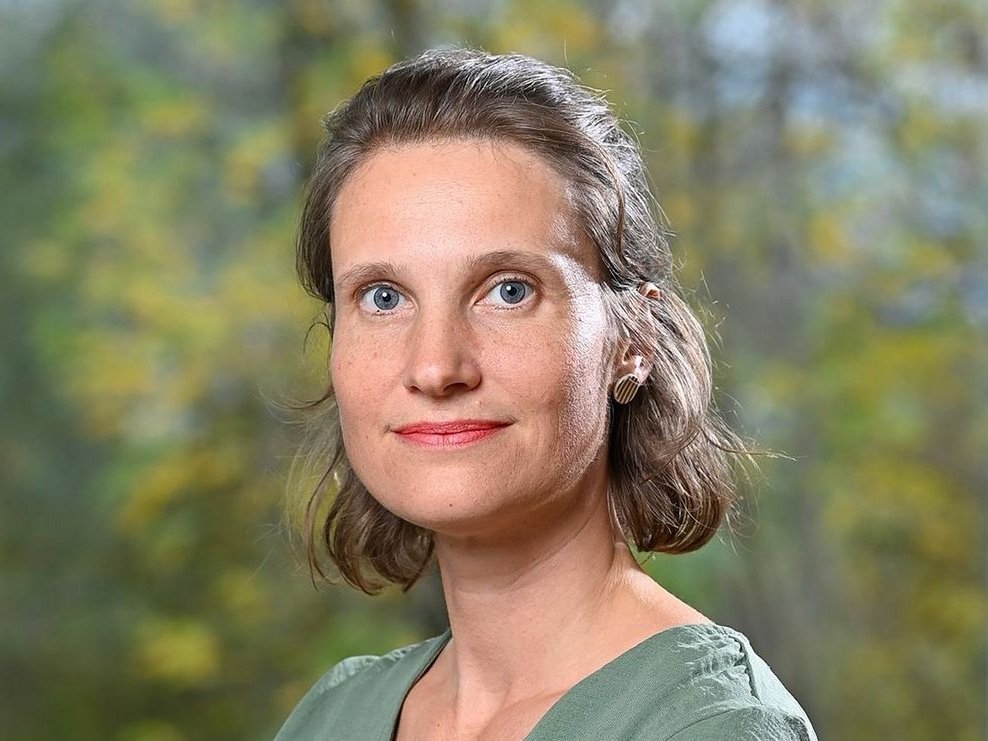
Dr. Mag. Carla Küffner
INFORMATION & APPLICATION
Virtual Campus Tour
Contact
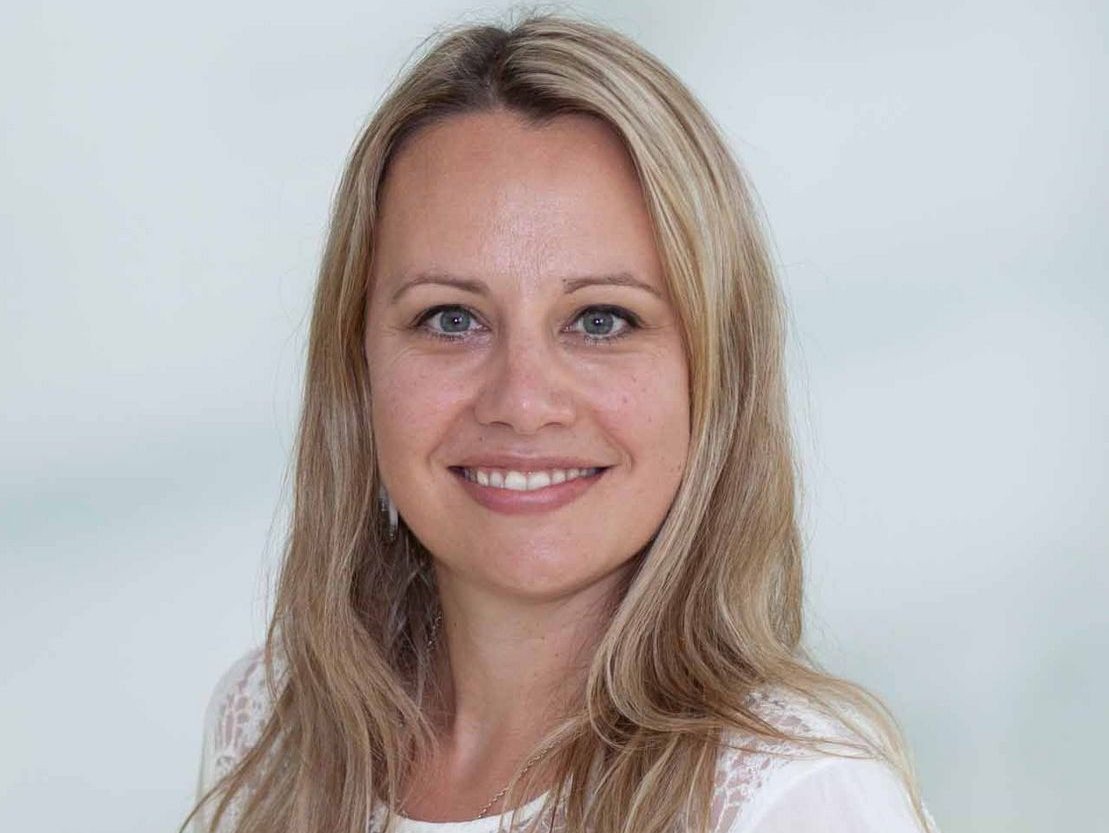
Sonja Nagelschmied, B.A.
Program
Administration +43 5 90500 3301
admin_gs_klu(at)cuas.at
Tamara Stotter, B.A.
Program
Administration +43 5 90500 3501
admin_gs_klu(at)cuas.at
On foot
From Klagenfurt Central Station, you can reach the campus in about 20 minutes on foot (1.7 km). The route takes you east along Bahnstraße and then along Gerberweg to the campus.
By public transportation
From Klagenfurt Central Station, take Line A to the “FH Kärnten” stop operated by Stadtwerke Klagenfurt. From the station building, turn left toward the bus station.
By car
Coming from the west—for example, via the A10 Tauern Autobahn or A11 Karawanken Autobahn—take the A2 Südautobahn to the Klagenfurt/Wörthersee exit. Then follow the Südring for about 7 km and turn toward the city center at the Südring/Gerberweg intersection. After about 150 m, turn right toward the campus.
If you’re coming from the east, take the Klagenfurt-Ost exit on the A2 Südautobahn. Then drive toward Klagenfurt-Zentrum, continue along Völkermarkter Straße, and then turn left onto the Südring. At the Südring/Gerberweg intersection, turn toward the city center and, after about 150 m, turn right toward the campus.
Coming from the south, you can reach the campus via the B91 Rosentaler Straße. At the Rosentaler Straße/Südring intersection, turn onto the Südring and follow it for about 2.5 km to the Südring/Gerberweg intersection. There, turn toward the city center and, after about 150 m, turn right toward the campus.
Coming from the north, drive toward the city center on the B83 St. Veiter Straße until you reach the St. Veiter Straße/St. Veiter Ring intersection. Then follow St. Veiter Ring, then Völkermarkter Ring, and continue on Lastenstraße until you reach Gerberweg. After about 750 m, turn left toward the campus.
By Plane
There are several airports in the area to choose from:
- Klagenfurt: approx. 15-minute drive
- Ljubljana (Slovenia): approx. 1 hour 10 minutes by car
- Graz: about 1 hour and 30 minutes by car
- Salzburg: approx. 2 hours and 30 minutes by car
- Trieste and Venice (Italy): approx. 2 to 3 hours’ drive
- Vienna: approx. 3 hours 30 minutes drive
- Munich: approx. 4 hours 15 minutes travel time
The rest of the journey to the Klagenfurt Primoschgasse campus can then be completed by train, bus, taxi, or car.