
MSc in Advanced Practice in Diagnostic Imaging – Master's Program
Play a key role in shaping the future of diagnostic imaging. The part-time master’s degree program in Advanced Practice in Diagnostic Imaging is designed for radiologic technologists who wish to expand their professional expertise in a targeted manner and assume greater responsibility in diagnostic radiology.
“Advanced Practice in Diagnostic Imaging” represents a specialized and advanced practice in radiologic technology at the master’s level. It is characterized by in-depth expertise in diagnostic imaging, evidence-based practice, and responsibility for quality, innovation, research, and leadership.
During the program, you will deepen your skills in structured image analysis and radiologic technology reporting, quality and process management, and the quality-oriented application of artificial intelligence. In doing so, you will further develop the professional, scientific, and personal competencies required for advanced practice in diagnostic imaging. In this way, you will qualify to help shape evidence-based diagnostic processes, enhance the quality of diagnostic care, and assume expanded professional responsibility in diagnostic radiology.
Structured Image Analysis & Reporting
You will deepen your skills in the structured analysis and interpretation of conventional skeletal and lung/chest radiographs, and learn to document findings in a structured and clear manner and to communicate them professionally.
Shaping Quality in Diagnostic Radiology
You will learn to analyze and optimize diagnostic procedures based on evidence. The focus is on quality assurance, radiation protection, and dose, process, and risk management.
AI in Diagnostic Radiology
You will explore the possibilities and limitations of artificial intelligence in diagnostic radiology and learn to use AI-based applications in a critical, transparent, and quality-oriented manner
Ready to take the next step in your career as a radiologic technologist?
Continue to develop your expertise in diagnostic radiology and open up new opportunities for yourself in clinical practice, research, and management.
Special features of the program
Applying New Insights Directly to Professional Practice
The knowledge you gain during your studies will change the way you view your day-to-day professional life: You’ll develop a deeper understanding of technical contexts, diagnostic requirements, and current developments, and you’ll be better able to identify challenges and opportunities for improvement. Insights and new perspectives on radiation protection, dose optimization, diagnostic processes, and AI-supported applications help you reflect on existing procedures and initiate well-founded improvements in your professional environment. An in-depth exploration of image analysis and interpretation also sharpens your awareness of how image acquisition and image quality influence diagnostic accuracy.
Learning through case studies based on real-world diagnostic questions
You won’t just learn X-ray image analysis in theory: Throughout your studies, you’ll work on at least 1,575 patient cases involving lung/chest and skeletal X-rays from a case archive and during clinical rotations. Using diagnostic monitors, you’ll analyze and interpret real X-ray images and address diagnostic questions arising from daily professional practice. In the process, you’ll also learn to critically incorporate the results of AI-supported applications into image analysis and to use AI systems to assist in the preparation of structured radiology reports. This allows you to systematically develop your skills based on concrete cases.
Benefit from a wide range of professional expertise
Practical relevance is a central component of the program: You’ll learn from and alongside experts in clinical practice, research, and industry. In select courses, team-based teaching brings together different disciplinary perspectives and fosters direct exchange. Complemented by the students’ diverse professional experiences, this creates a learning environment where complex issues are discussed from multiple perspectives and reflected upon collectively. In this way, you strengthen your interdisciplinary understanding and your ability to collaborate in a multi- and interprofessional setting.
Study while working, with 70% of the coursework online
Due to its specific requirements and objectives, the master’s program is designed to last five semesters. This extended duration is necessary to ensure a thorough and practice-oriented education that is also manageable for students, and to enable them to develop the best possible professional competence. The program combines approximately 70% online instruction with 30% in-person instruction. Online classes generally take place Tuesday through Thursday from 5:00 p.m. to 9:00 p.m. In-person sessions are organized in multi-day blocks from Thursday through Saturday. This allows students to effectively balance their studies with their professional and personal lives.
Recognition of a module as a continuing education course in radiation protection
By taking the module “Radiation Protection and Optimization of Dose Management in Diagnostic Radiology” in the first semester, you will also complete radiation protection training in accordance with current Austrian radiation protection regulations. Upon successful completion, you will receive a certificate of completion.
Targeted Development of Advanced Practice Competencies
Building on the job description and competency framework outlined in Austria’s MTD Act, you will systematically develop your radiological technology skills. You will learn to evaluate imaging and quality processes in an evidence-based manner, to actively help shape changes, and to bring your professional perspective more strongly into diagnostic as well as multi- and interprofessional decision-making processes. In this way, you will strengthen your role in the further development of diagnostic processes and the quality of patient care.
Details about the program




Info Box
Level of qualification
Master
ECTS credits
120
Tuition fees*
€ 363.36 / Semester
ÖH (Austrian Student Union) fee
€ 26.20 / Semester
Qualification awarded
Master of Science in Health Studies
Duration of study
5 Semester
Language of instruction
German
CU Campus
Klagenfurt
Dates Info Box
Winterterm 2027
Period I: 01.11.-15.03.
Period II: 16.03.-31.05.
Period III: 16.05.-31.07
Please note the guidelines for applications from outside Western, Central and Southeastern Europe.
Start in the winter semester in the second half of September
Two block weeks (Mon-Fri) per semester (usually at the beginning and end of the semester) Seven weekends (Thu-Sat) per semester (two of which are planned to be online weekends) Class times from 8 a.m. to 6:30 p.m. Approximately 70% in-person, 30% online teaching via MS Teams
An overview on our upcoming events can be found here.
You are interested in a personal (online) study consultation or would like to receive more information on the degree program? Click on the buttons below this checkbox to learn more.
Language of Instruction: German (min B2)
Application essentials:
More information on the application process, admission requirements and necessary documents can be found here.
* Tuition for non-EU/EEA citizens: €500 + €26.20 ÖH fee (per semester)
FAQ
Frequently asked questions about the Master’s Degree Program in
“Advanced Practice in Diagnostic Imaging”
What makes this master's program unique?
This master’s program combines clinical image analysis, extensive hands-on case experience, and advanced practice in an academic framework that is currently unique in the German-speaking world. This will enable you to develop advanced skills for taking on responsible roles in diagnostic imaging.
Who is this degree program suitable for?
This master's program is designed for radiologic technologists with an interest in diagnostic imaging who wish to specifically expand their expertise in image quality, image analysis, and advanced practice. You will gain an in-depth understanding of current developments in diagnostic radiology, ranging from artificial intelligence to quality management, radiation protection, and care processes.
Can I complete the degree program while working?
The five-semester master’s program is designed for working professionals and consists of 70% online instruction and 30% in-person instruction. Online classes are typically held on Tuesdays, Wednesdays, and Thursdays from 5:00 p.m. to 9:00 p.m. via Microsoft Teams. In-person instruction is organized in blocks lasting several days, from Thursday through Saturday.
For me, Advanced Practice in Diagnostic Imaging thrives on the combination of a scientific foundation, clinical expertise, and the real-world experience our students bring from their professional practice. We aim to empower radiologic technologists to evaluate diagnostic processes with even greater nuance, to take responsibility for quality and patient safety, and to confidently contribute their expertise to the advancement of diagnostic radiology.
This degree program is designed to provide advanced knowledge so that future radiologic technologists can best fulfill the challenges of medical imaging.
Even while I was pursuing my bachelor’s degree, I watched radiologists interpret images to learn how they go about it and to recognize what is truly essential in X-ray images. When the part-time master’s program was launched, it was clear to me that this was the right next step to thoroughly deepen my knowledge. With the amendment to the MTD Act, which now allows radiologic technologists to interpret radiologic images, this path has become even more relevant. My advice to anyone interested or currently studying is this: If you’re willing to combine your career with your studies, you’ll benefit enormously from the direct practical application of what you learn.
After nearly 20 years as a radiologic technologist, I wanted to expand my skills in specific areas and further develop my professional role. I find the transition from working directly with patients to interpreting images particularly appealing. My advice to future students is: Have the courage to expand your expertise!
I decided to pursue the master’s degree in “Advanced Practice in Imaging Diagnostics” at Carinthia University of Applied Sciences to further deepen my knowledge in addition to the master’s degree in “Diagnostic Ultrasound” I completed in 2024. In my day-to-day work, I perform many ultrasound examinations of the musculoskeletal system, which is why I frequently come into contact with X-ray images—these examinations are often performed in combination. Through this master’s program, I hope to expand the radiological interpretation skills I already use in sonography to include X-ray images. What I particularly like about the program is the hands-on instruction with many case studies, which specifically prepares me for my daily work.
As a radiologic technologist with a master’s degree in quality and process management, I made a conscious decision to pursue the Master’s in Advanced Practice in Diagnostic Imaging so that I could actively help shape the future of our profession. I am particularly interested in the opportunities that artificial intelligence offers for radiological diagnostics and our future role as imaging professionals. The program gives me the opportunity to critically evaluate innovations and apply them in practice. I appreciate the combination of scientific work, practical content, and interprofessional exchange with my fellow students. My advice to future students is to be open to new developments in the field of radiologic technology.
This master’s program is designed to fill a gap by incorporating current developments—such as those in artificial intelligence and quality control—and by offering the opportunity to provide highly qualified support in diagnostic evaluation.
This program is designed to provide advanced knowledge so that future radiologic technologists can best fulfill the challenges of medical imaging.
I chose the Master’s in Advanced Practice in Diagnostic Imaging to deepen my expertise and explore current topics such as artificial intelligence, quality management, and other developments in radiology technology. I particularly appreciate the strong practical focus—using real X-ray cases, we can directly apply what we’ve learned and discuss it together. My advice to future students is this: Be curious and open to new developments—they will play a key role in shaping the future of radiology.
Medical imaging is central to the diagnosis of nearly every disease today—and at the same time, one of the most dynamic fields in modern medicine. As a radiologist, researcher, and entrepreneur in medical technology, I am particularly pleased to have the opportunity to help shape and advance the career paths in the field of radiology through an innovative degree program like the APDI. Those who understand and embrace new technologies the fastest always benefit the most from them. This degree program equips students to do exactly that (and much more)—and the future of radiology is more promising than ever.
Book an Online Information Session
During the online information sessions, the program directors provide detailed information about the program. Topics include course content, classroom observation, admission requirements, and potential career prospects.
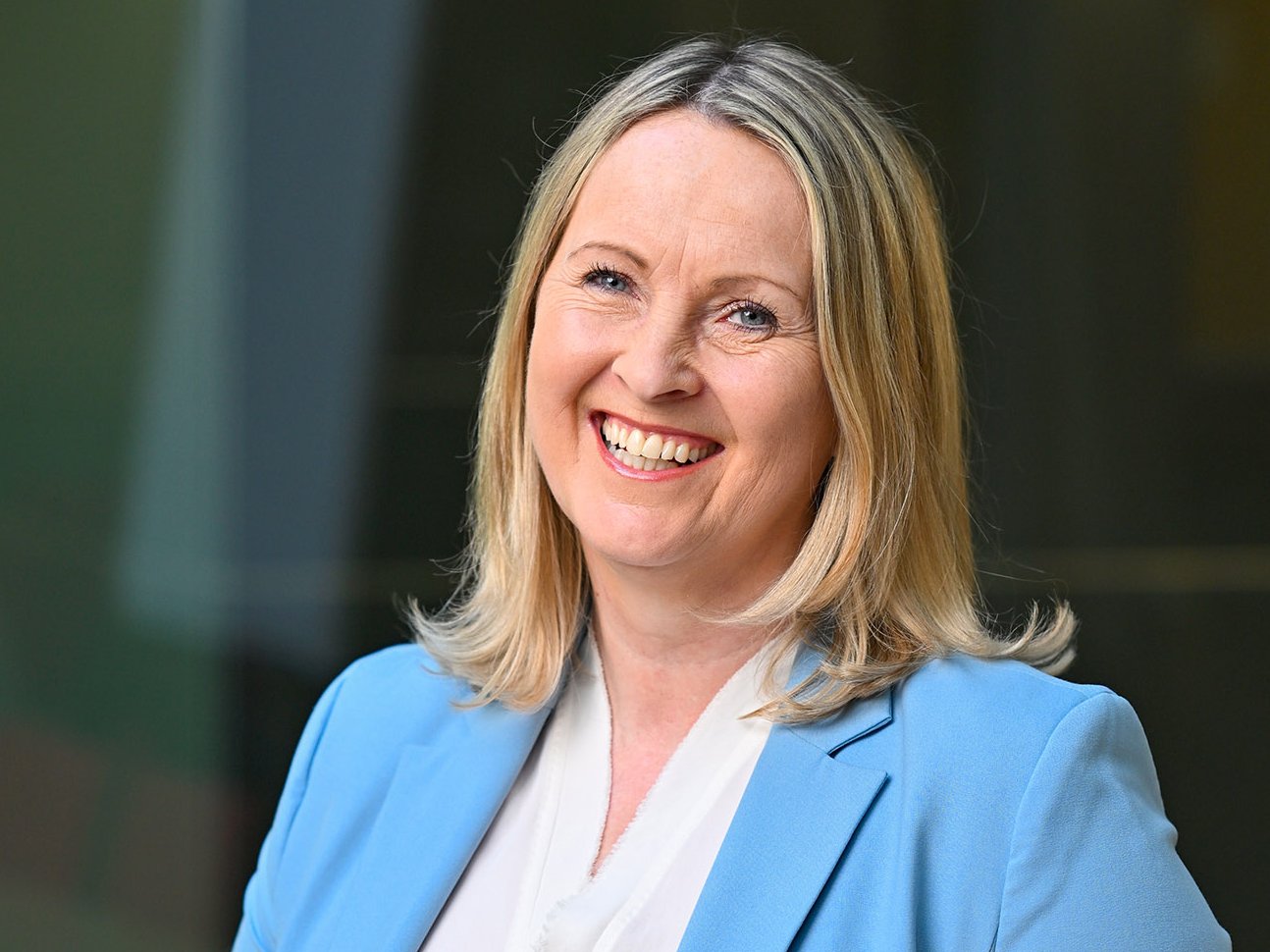
Prof. Evelin Haimburger, MSc
Program Director Advanced Practice in Diagnostic Imaging
+43 5 90500 3540
e.haimburger(at)cuas.at
INFORMATION & APPLICATION
Virtual Campus Tour
Contact
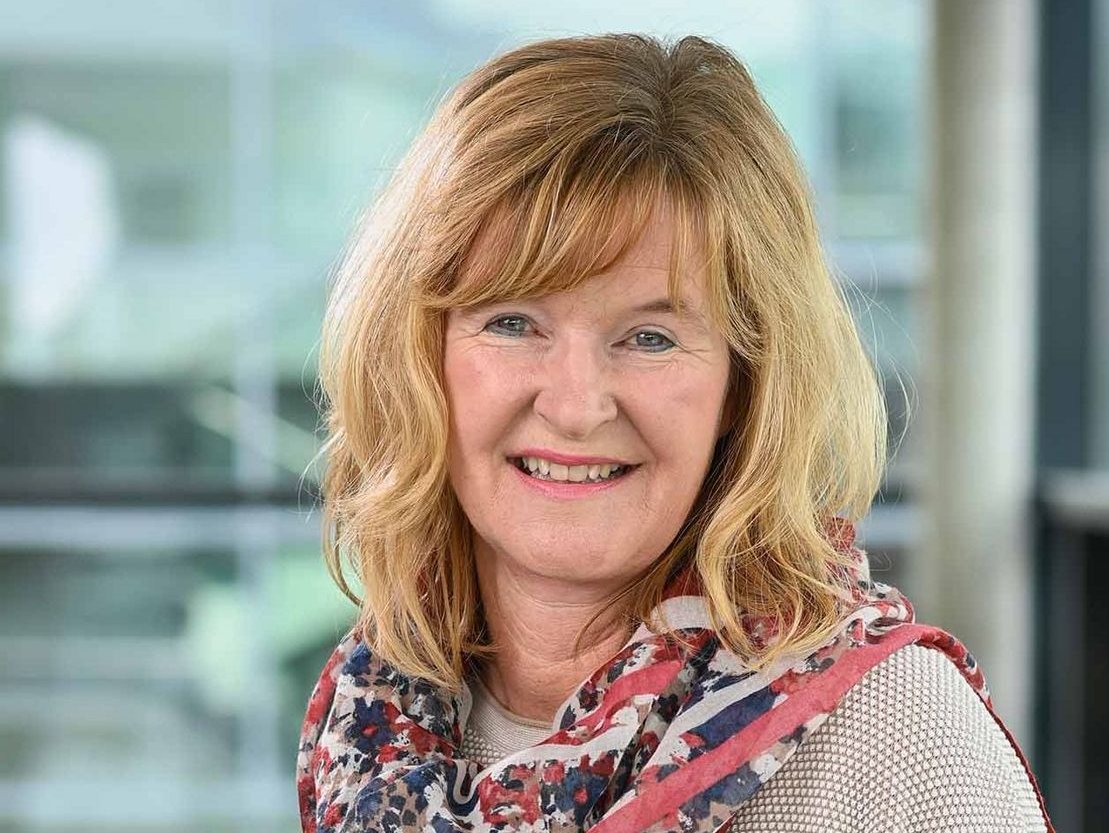
Brigitte Pintar, BA, M.Ed.
Program
Administration +43 5 90500 4101
b.pintar(at)cuas.at
On Foot
From Klagenfurt Central Station, you can reach the campus “Klagenfurt Mitte” in about 25 minutes on foot (2.5 km). The route takes you across the station plaza toward the city center and then along St. Veiter Straße to the grounds of the Klagenfurt Regional Hospital.
From the Heiligengeistplatz bus station, you can reach the campus in about 15 minutes (1.2 km) on foot. The route takes you along Wiesbadener Straße toward Neuer Platz, then continues along Kramergasse, Alter Platz, and Wiener Gasse to Heuplatz. From there, continue along St. Veiter Straße. After about 600 m, you’ll find the entrance to the Klagenfurt State Hospital grounds on your left.
The university building is marked as Building No. 24 on the Klagenfurt State Hospital map.
By public transportation
From Klagenfurt Central Station, you can reach the campus by taking line A or 4 to the “Morogasse” stop. From the station building, turn left toward the bus station.
Lines A and 4 also take you to the campus from the Heiligengeistplatz bus station.
By car
Coming from Villach or Wolfsberg, take the A2 Südautobahn and the Klagenfurt Nord bypass to the Klagenfurt Nord/Feldkirchen exit. Then follow Feldkirchner Straße toward the city. At St. Veiter Ring, turn left, and then turn left again at the intersection with St. Veiter Straße. After about 600 m, you’ll see the entrance to the Klagenfurt State Hospital grounds on your left. The university building is on the left.
Coming from St. Veit, you can reach the campus via the S37 Klagenfurt Expressway, which leads directly onto St. Veiter Straße. Follow the road until you reach the entrance to the Klagenfurt State Hospital grounds. Our university building is on the left.
By Plane
There are several airports in the area to choose from:
- Klagenfurt: approx. 10-minute drive
- Ljubljana (Slovenia): approx. 1 hour 10 minutes by car
- Graz: approx. 1 hour 30 minutes by car
- Salzburg: approx. 2 hours 30 minutes by car
- Trieste and Venice (Italy): approx. 2 to 3 hours by car
- Vienna: approx. 3 hours 30 minutes by car
- Munich: approx. 4-hour drive
The rest of the journey to the “Klagenfurt Mitte” campus is then made by train, bus, taxi, or car.