

Health Management MA
Master's Program
The healthcare sector is facing profound changes. Digitalization, demographic shifts, rising quality standards, and new care models are transforming the demands placed on organizations and leaders alike. To successfully navigate these developments, we need people who can combine healthcare expertise with management, leadership, and strategic thinking.
In the part-time Master’s program in Health Management, you’ll deepen your management and leadership skills and learn how to develop organizations in a forward-looking way. You’ll explore topics such as organizational development, health economics, quality and process management, and evidence-based decision-making, while addressing current challenges like digitalization, sustainability, and innovation.
Through the close integration of theory and practice, you’ll develop solutions to complex issues in the health and social services sectors and apply new strategies directly in your professional setting. In this way, you’ll gain the specific qualifications needed for leadership, development, and management roles and actively help shape the future of the healthcare system.
Part-time Master's Degree Program
Combine your studies with your career and apply new strategies, management approaches, and scientific insights directly to your day-to-day work.
Specialize in a specific field
Deepen your studies in the areas of nursing management (§ 65a GuKG), advanced management, or business start-ups and entrepreneurship–tailored to your career goals.
Leadership in Healthcare
Develop your leadership and management skills and prepare yourself specifically for positions of responsibility in health and social service organizations.
Take on responsibility. Make an impact.
Deepen your management skills and qualify for leadership roles in the healthcare sector. Drive meaningful change.
Special features of the program
Management Knowledge with a Focus on Health
Unlike a traditional management degree program, this master's program combines business administration content with the specific requirements of the healthcare sector. Health care systems, quality of care, health economics, and interprofessional collaboration are just as central to the program as strategic management topics.
Study Abroad—Reap Double the Benefits
Through the Double Degree Program in partnership with JAMK University of Applied Sciences in Finland, you’ll gain international academic experience and, upon successful completion, earn two master’s degrees. International study weeks and joint courses will further broaden your academic and intercultural horizons.
Focus on Current Challenges
The program addresses topics that are shaping the healthcare sector today and will continue to do so in the future—from demographic change and digital transformation to diversity, entrepreneurship, and sustainable care models. This allows you to work on issues that are already relevant in the field today.
Gaining New Perspectives Through Interprofessional Collaboration
In the master’s program, professionals from various health and social service fields study together. Sharing different professional experiences opens up new perspectives on organization, care, and collaboration, and strengthens your professional network.
Details about the program




Info Box
Level of qualification
Master
ECTS credits
120
Tuition fees*
€ 363.36 / Semester
ÖH (Austrian Student Union) fee
€ 26.20 / Semester
Qualification awarded
Master of Arts in Business
Duration of study
4 Semester
Language of instruction
German
CU Campus
Feldkirchen
Dates Info Box
Winterterm 2026
Period I: 01.11.-15.03.26
Period II: 16.03.-15.05.26
Period III: 16.05.-15.07.26
Period IV: 16.07.-30.09.26*
Due to lengthy visa processes, applications from Africa, the Middle East and South, East, and Southeast Asia only in Period I.
*We reserve the right not to open the period or to close it early.
The semester starts in October - we only offer intake in winterterm!
The start of lectures can be found in the individual timetable which is available after enrollment.
2 block weeks per Semester
additional 9 weekends (Thursday to Saturday 08:30 to 19:45)
An overview on our upcoming events can be found here.
You are interested in a personal (online) study consultation or would like to receive more information on the degree program? Click on the buttons below this checkbox to learn more.
Language of Instruction: German (min B2)
Application essentials:
More information on the application process, admission requirements and necessary documents can be found here.
* Tuition for non-EU/EEA citizens: €500 + €26.20 ÖH fee (per semester)
FAQ
Frequently asked questions about
the “Health Management” Master’s Degree Program
Which bachelor's degree qualifies me to begin a master's degree?
A relevant bachelor’s or diploma degree–for example, in health sciences, nursing, management, or business–provides the foundation for entry into the program. Specific admission requirements are reviewed during the admissions process.
What distinguishes a health management program from a management degree?
You combine management skills with the specific requirements of the healthcare sector–from healthcare systems and health economics to digitalization and quality of care.
Can I also work outside of hospitals?
Yes. Graduates work in a variety of settings, including nursing and healthcare facilities, social service organizations, health insurance companies, consulting firms, research institutions, and public agencies.
Insights into the Program
Students, graduates, and faculty members share firsthand accounts of the Bachelor’s degree program in Healthcare Management as well as the Master’s degree in Health Management, daily life as a student, and their experiences at CU Carinthia University of Applied Sciences.
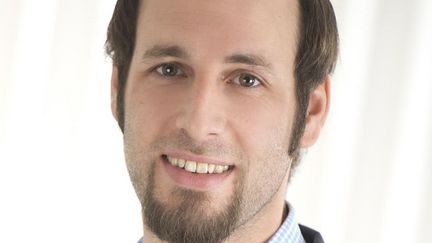
When a Vision Becomes a Business
Mag. (FH) Benedikt Martinek, Managing Director of profidelis24
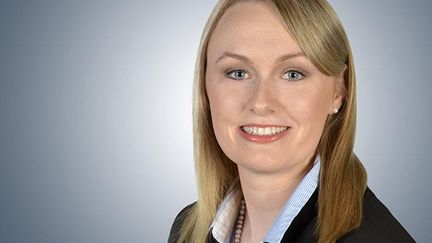
The courage to break new ground
Mag. (FH) Margareta Steiner, project manager at a pharmaceutical company
Book an online information session
During the online information sessions, the program directors or academic directors provide detailed information about the program. Topics include course content, internships, admission requirements, and potential career prospects.
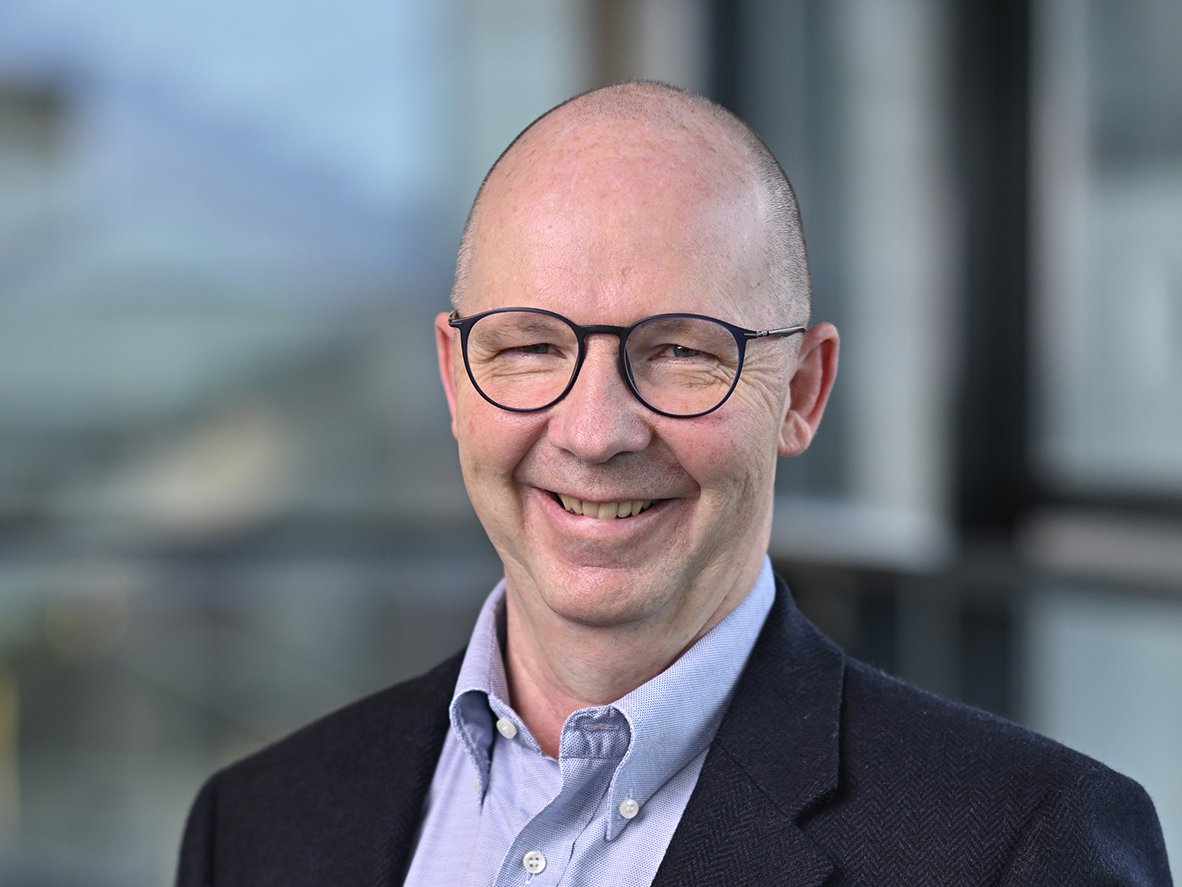
FH-Prof. Mag. Dr. Klaus Wettl
Program Director, Health and Nursing Management / Chair of Health Management
+43 5 90500 4118
k.wettl(at)cuas.at
INFORMATION & APPLICATION
Virtual Campus Tour
Contact
Do you have questions about the program? Just send us a message:
On foot
From the Feldkirchen bus station, you can reach the campus in about 5 minutes on foot. Take 10th October Street toward the city center until you reach Schillerplatz. From there, continue along Kirchgasse and Ossiacher Street to Hauptplatz. The campus is located at the lower end of Hauptplatz.
By public transportation
If you’re coming to Feldkirchen by train or bus, the campus is about a 10-minute walk (600 m) from the Feldkirchen train station and about a 5-minute walk (400 m) from the Feldkirchen bus station.
By car
Coming from Klagenfurt, take the Feldkirchen bypass to the third traffic light, then turn left onto Ossiacher See Süduferstraße. Follow the road for about 1 km, then turn left before the railroad overpass toward the city center onto Ossiacher Straße.
Coming from Villach, turn right at the first traffic light onto Ossiacher See Süduferstraße. Follow the road for about 1 km, then turn left before the railroad overpass toward the city center onto Ossiacher Straße.
After about 200 m, you’ll find a free parking lot on the left. The campus is located at the lower end of the main square. There are several short-term parking spots directly in front of the building.
By Plane
There are several airports in the area to choose from:
- Klagenfurt: about a 30-minute drive
- Ljubljana (Slovenia): approx. 1 hour 15 minutes by car
- Graz: about 1 hour and 45 minutes by car
- Salzburg: approx. 2 hours 30 minutes by car
- Trieste and Venice (Italy): approx. 2 to 3 hours’ drive
- Vienna: approx. 3 hours 45 minutes by car
- Munich: approx. 4 hours travel time
The onward journey to the Feldkirchen campus can then be made by train, bus, taxi, or car.