

Dual Degree in Hotel Management: 17 Students Begin a New Study Program
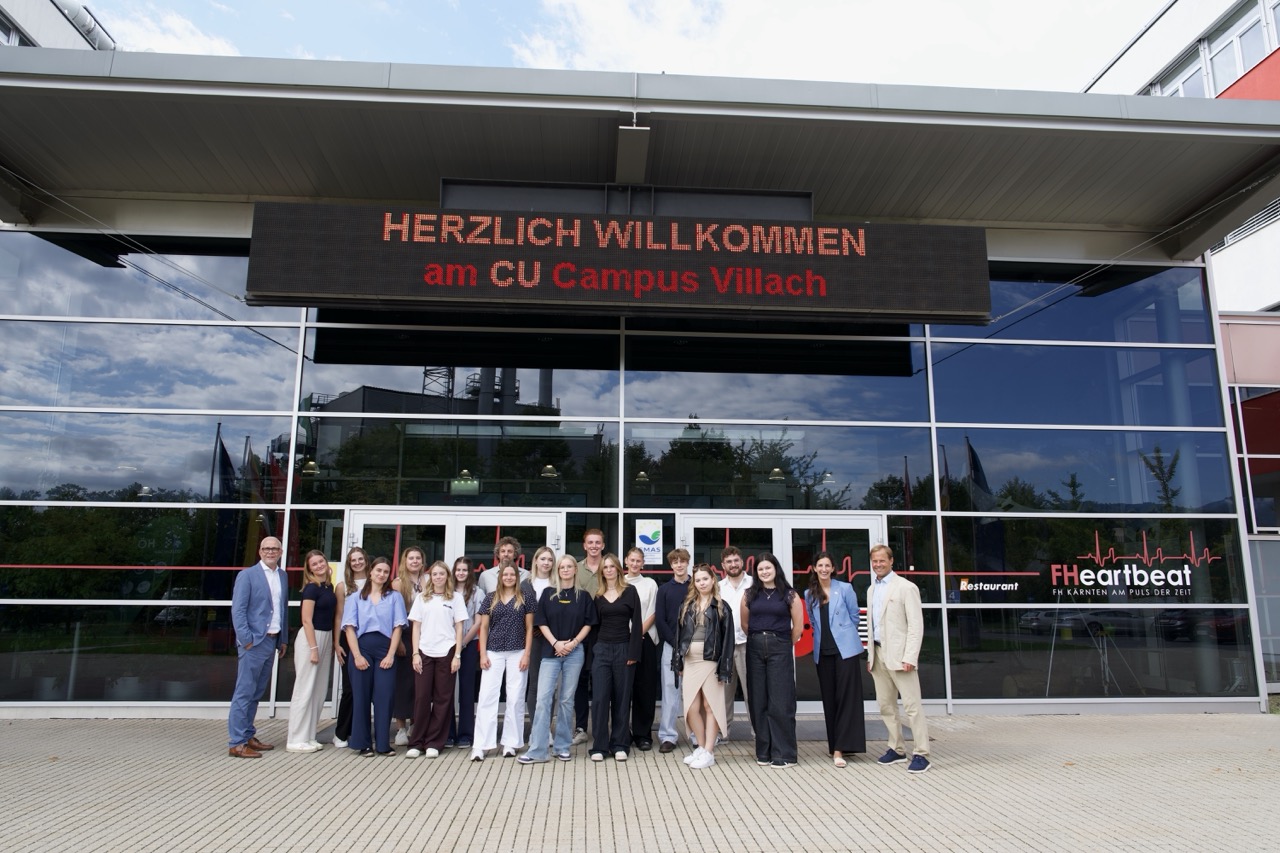
With the kick-off event at the Villach campus, CU Carinthia University of Applied Sciences has launched its first dual degree program. Starting in the 2026/27 winter semester, 17 students will combine academic training with ongoing practical experience at a partner hotel.
Instead of studying first and then gaining professional experience, students will combine both from the very beginning: That is precisely the idea behind the new dual Bachelor’s degree program in Hotel Management.
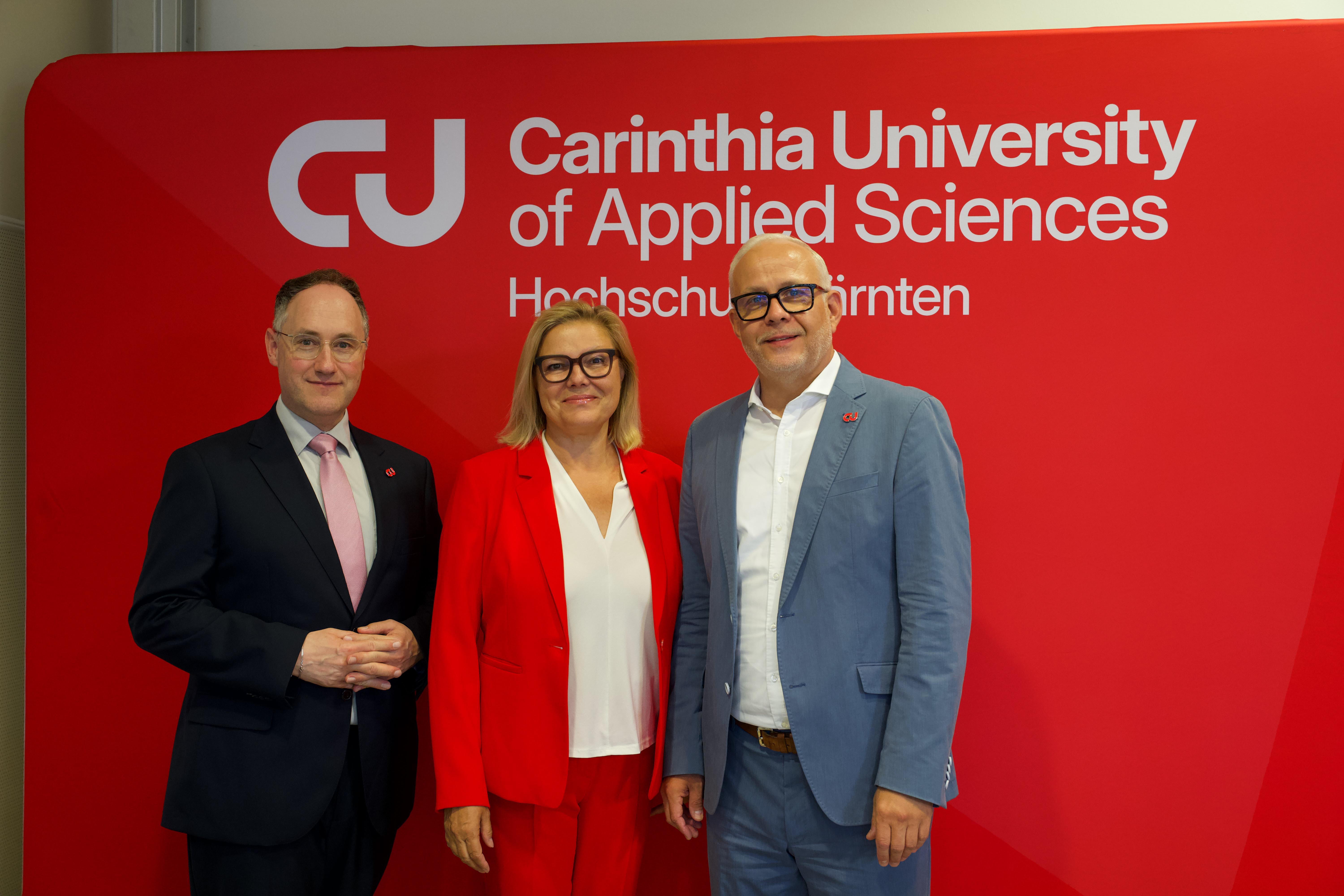
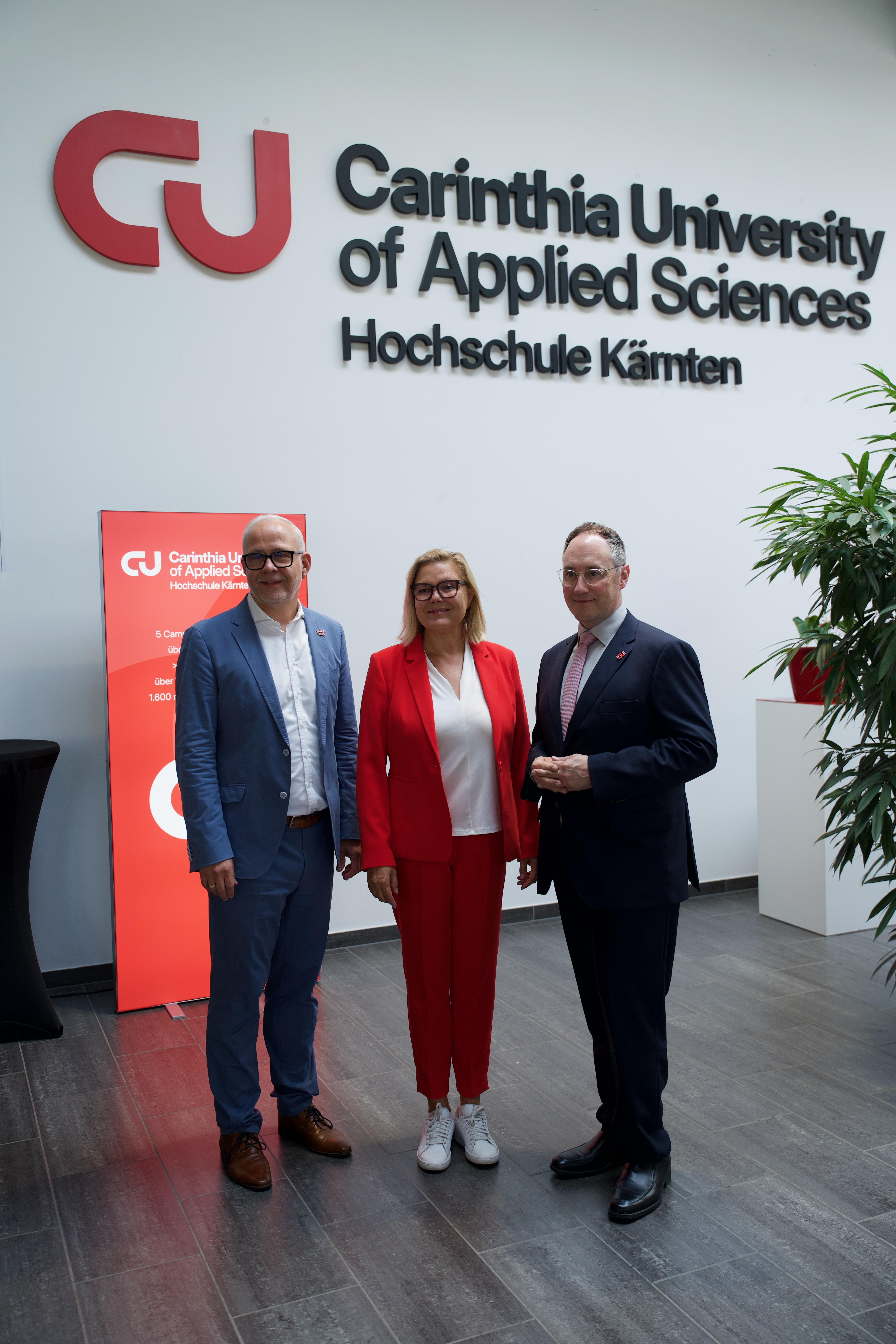
The official kick-off event at the Villach campus brought together students, industry partners, and representatives from the university, the hospitality industry, business, and politics. The focus was on how a study program can be designed to consistently integrate academic knowledge with day-to-day workplace experience.
Two Learning Locations, One Degree Program
Over six semesters and 180 ECTS credits, students learn at two equally important learning locations: at the university and at a partner company. Theoretical and practical phases alternate in roughly 12-week cycles. The practical training begins as early as the first semester and takes place in consecutive blocks.
The program deliberately takes the seasonal nature of the hospitality industry into account: the practical phases also occur during key winter and summer months. This allows students to experience diverse operational demands firsthand and gradually assume more responsibility over the course of their studies.
Program Director FH-Prof. Dipl.-Betrw. (FH) Stefan Nungesser sums up the model’s objective:
“Our goal was not simply to add internships to an existing degree program. We developed a dual model that fits the reality of the hospitality industry: practical training begins in the first semester, takes place in consecutive blocks, and is aligned with the industry’s seasonal cycles. Over the course of six practical training phases, students gradually take on more responsibility. This is how knowledge is transformed into practical competence.”
20 partner companies serve as learning sites
To start, CU Carinthia University of Applied Sciences is collaborating with 20 selected hotels in Carinthia, Salzburg, Styria, and Tyrol. These include family-run businesses as well as hotel chains and international brand-name establishments.
The hotels are not merely locations for an internship. Together with the university, they share responsibility for the training. Mentors at the businesses, goal-setting agreements, feedback sessions, and professional guidance from the university ensure the success of the practical phases. Projects and the bachelor’s thesis can also address specific issues raised by the respective partner establishment.
For FH-Prof. MMag.a Dr. Kathrin Stainer-Hämmerle, future rector of CU Carinthia University of Applied Sciences, this is a particular strength of the model: “Our students learn in two equally important learning environments: at the university and in the partner businesses. The key is the close integration–academic insights flow directly into practice, while experiences from the companies, in turn, feed back into teaching, projects, and research.”
Different Paths Lead to the Dual Study Program
The first students bring a wide range of experiences with them. Some are already familiar with the restaurant and hospitality industries from their own professional experience, while others come to hotel management via high school or another degree program.
Luca Trojer completed a culinary apprenticeship at a three-toque restaurant in East Tyrol and subsequently gained further experience in the hospitality industry. Now he wants to expand his practical training to include a management perspective. “For me, the dual degree program is an investment in the future. After three years, I’ll not only have a bachelor’s degree but will also have gained a lot of practical experience. The fact that practical training is firmly integrated into the program is a major advantage for me,” says Trojer.
Oliver Thoma also brings culinary experience to the table. After completing his training as a chef and specializing in pastry, he went on to earn his high school diploma. “For me, this degree program is the next step in combining my practical experience with management knowledge,” says Thoma.
Why the Tourism Industry Needs a Dual Approach
The kick-off event therefore also addressed a broader question: How can dual study models contribute to the development of skilled workers and enhance the appeal of the hospitality industry?
FH-Prof. Dr. Florian Aubke from FHWien der WKW shared insights from existing dual study programs in tourism during his keynote address. Representatives from the hospitality industry, higher education, and the labor market then discussed the opportunities and challenges of this educational pathway.
For FH-Prof. Dr. Martin Waiguny, Managing Director of CU Carinthia University of Applied Sciences, the significance extends beyond the tourism industry. Dual study programs are still the exception in Austria. With its Hotel Management program, CU therefore aims not only to address a specific need in the hospitality industry but also to provide impetus for the further development of higher education.
A study model that grows with its experiences
The kick-off marks the start of the practical phase of the new model. The university, students, and industry partners plan to continuously reflect on the experiences gained during the upcoming theoretical and practical phases and incorporate them into the program’s further development.
This is also a learning process for the university itself. “We want to transparently track how the model develops, what experiences students and industry partners have, and what lessons we can take away from this for the coming years,” says Stefan Nungesser.
Learn more about the dual Bachelor’s program in Hotel Management:
www.fh-kaernten.at/homa