

Faculty of Built Environment
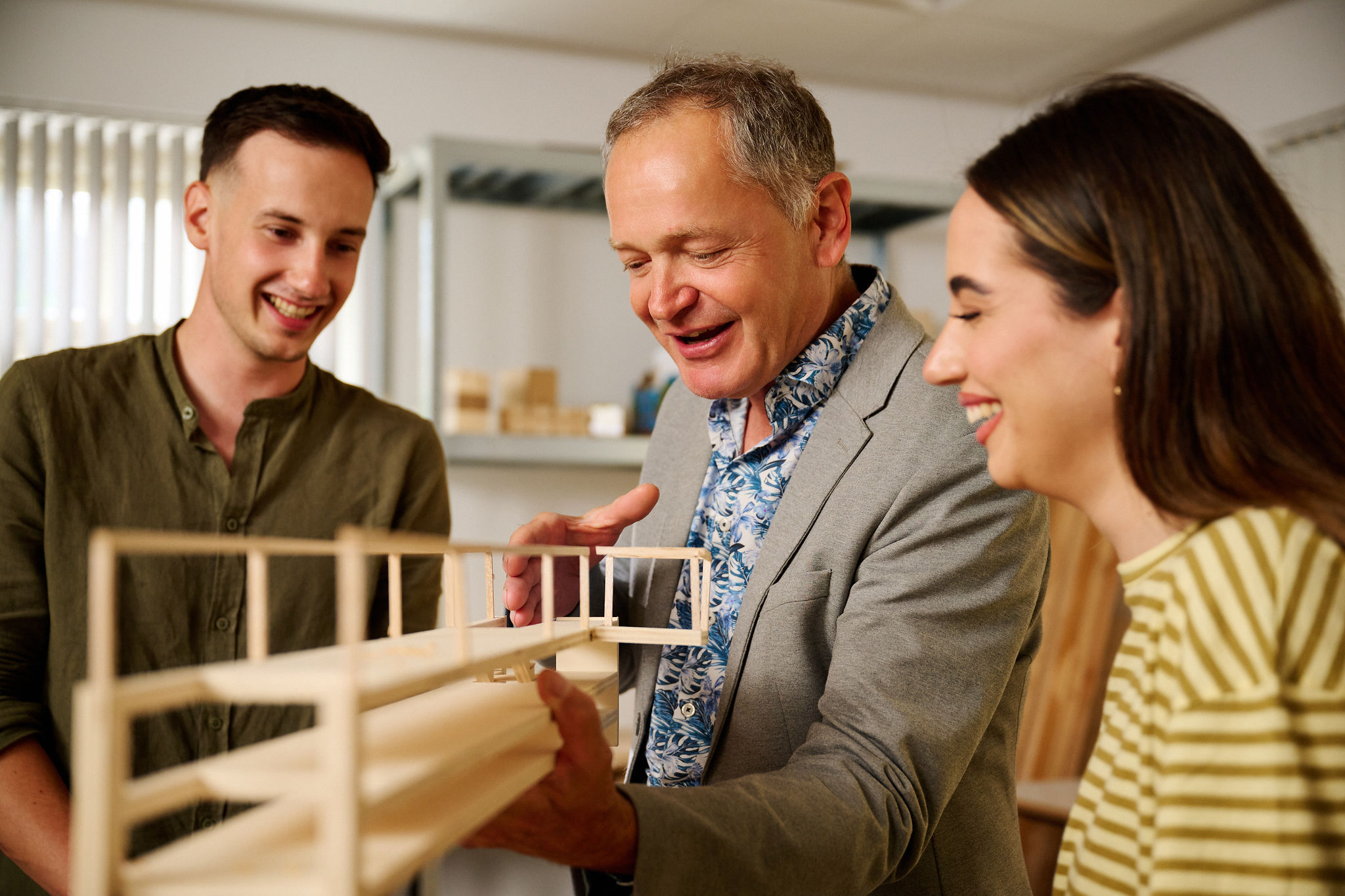
Do you want to understand how architecture and engineering shape our living spaces and give rise to new ones? The Faculty of Built Environment at CU Carinthia University of Applied Sciences combines engineering precision with architectural sensitivity:
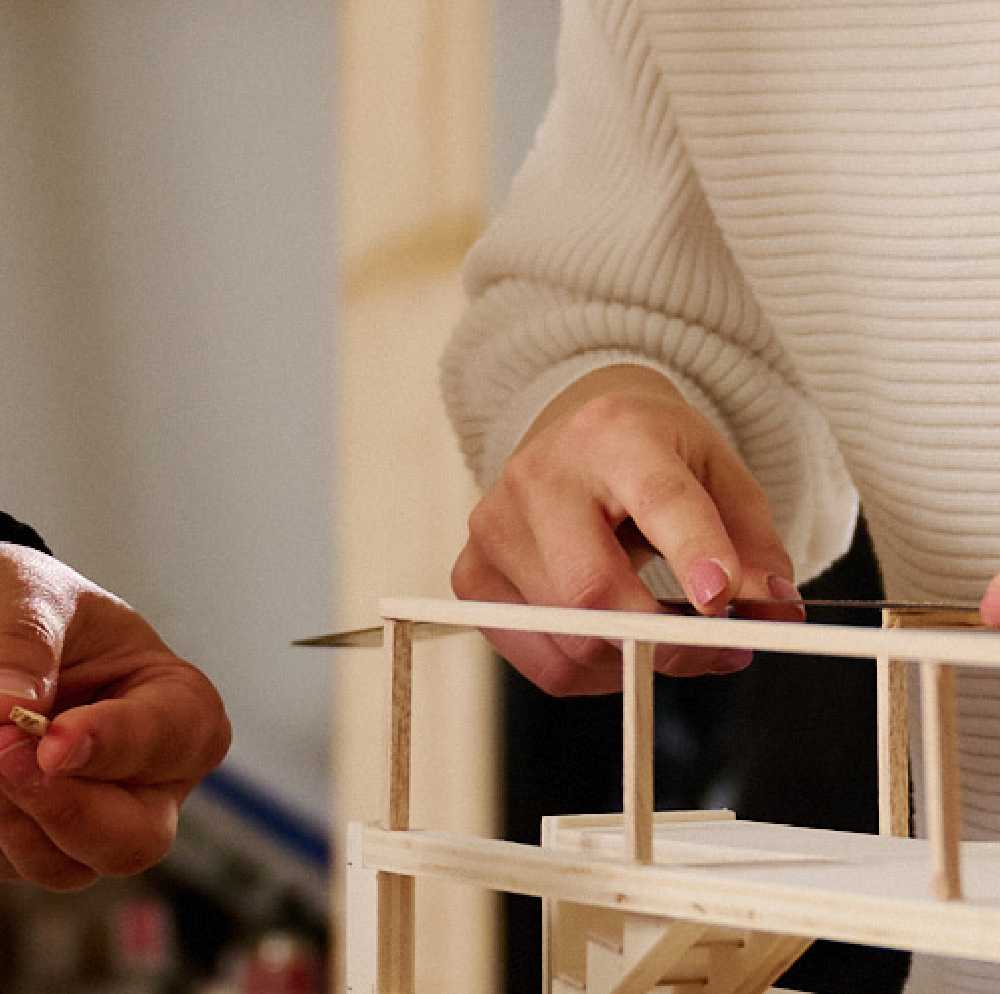
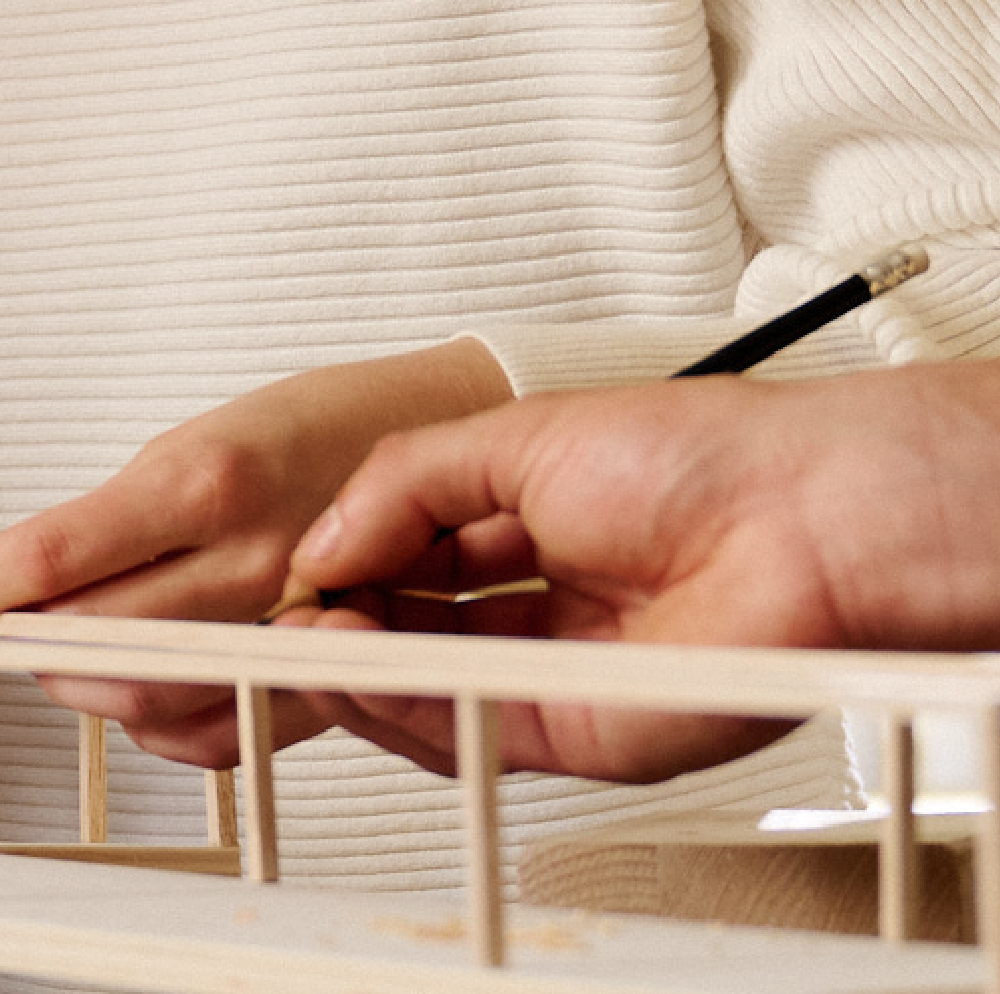
Through practice-oriented study programs, you’ll learn Building Information Modeling, parametric design, structural engineering, sustainable construction, and renovation of existing buildings. Projects on a 1:1 scale, modern construction labs, and digital methods such as virtual reality and augmented reality bring both the digital and real-world aspects of everyday construction to life.
Working in interdisciplinary teams, you’ll plan and design real-world projects–ones that are spatially, technically, and socially relevant. Field trips, practical training phases, and industry partnerships complement your theoretical studies and help you build a professional network within the field.
Whether you want to design structures of the future, develop sustainable infrastructure, or shape urban and rural environments–here you’ll gain the knowledge you need. The program fosters your technical expertise as well as your ethical and ecological awareness. This prepares you to take on responsibility and shape spaces that connect society and the environment.
Are you looking to study at the Faculty of Built Environment?
We offer a wide range of options: from part-time programs to Study & Work, studying without a high school diploma, and full-time programs. See for yourself.
An Overview of Our Degree Programs


You can find our CU Academy continuing education offerings (bachelor's and master's programs, academic university courses, certificate programs, micro degrees, and micro credentials) in our Studyfinder.
7 Reasons to Study at the Faculty of Built Environment
ARCHITECTURE, CIVIL ENGINEERING, AND SUSTAINABLE REAL ESTATE MANAGEMENT – ONE CAMPUS
Creating synergies between the fields of architecture and civil engineering means not only studying under one roof, but also beginning to build connections on a personal level, developing joint projects, and learning from one another.
BUILDING ON A 1:1 SCALE
Projects and implementations on a 1:1 scale bridge the gap between theory and practice, and between the classroom and the real world.
SOCIAL HOUSING
Creating living spaces is the most fundamental task of architecture. The focus is on improving the living environment through construction, social responsibility, and a holistic approach to sustainability. Projects addressing socially relevant issues instill in students an attitude that contributes to peaceful coexistence in an increasingly heterogeneous society.
REGIONAL VALUE ADDED
More and more people are moving to cities. This is leading to depopulation in rural areas. We are on the ground and focus on regional development strategies, rural building culture, materials and crafts, and regional value chains.
FIELD TRIPS
Numerous field trips are organized as part of the program: architectural tours, construction site visits, exhibitions, conferences, trade shows, and company visits both in Germany and abroad are an integral part of our education. The highlight of each program is a one-week architectural field trip.
LECTURES AND EXHIBITIONS
Exhibitions and lectures offer new perspectives and approaches and broaden students’ horizons. Experts from academia and the professional world, along with well-known architecture exhibitions, enrich the semester program at the Spittal campus with new perspectives and content.
NETWORK
The program's practical focus is supported by an outstanding network of universities of applied sciences. This network ranges from local professionals in the field of built environment to architectural institutions operating throughout Europe.


INFORMATION & APPLICATION
Campus Spittal
Virtual Campus Tour
On Foot
From the Spittal-Millstätter See train station, you can reach the campus in about 15 minutes on foot (1.2 km). The route takes you along Bahnhofstraße, past the city park and Porcia Castle, across the main square, and through the archway toward Villacher Straße.
By public transportation
The campus is accessible from the Spittal-Millstätter See train station via bus lines 11, 120, or 180 to the “Spittal/Drau Zentrum” stop, or by bus line 12 to the “Spittal an der Drau Mittelschule” stop, followed by a walk of about 7 minutes.
By car
Coming from the north, take the Spittal Nord/Millstätter See exit on the A10 Tauern Autobahn and drive along the B98 Millstätter Straße and B99 Katschberg Straße toward Spittal Zentrum.
Coming from the south or east, take the Spittal-Ost exit on the A10 Tauern Autobahn and follow the B100 Drautal Bundesstraße toward Spittal Zentrum.
If you’re coming from the west, you can reach the campus via the B100 Drautal Bundesstraße toward the city center.
The campus is located on Villacher Straße, right next to the Lieser Bridge.
By Air
There are several airports in the area:
- Klagenfurt: approx. 1 hour drive
- Ljubljana (Slovenia): approx. 1 hour and 30 minutes by car
- Graz: approx. 2-hour drive
- Salzburg: approx. 2-hour drive
- Trieste and Venice (Italy): approx. 3 hours’ drive
- Vienna: approx. 4-hour drive
- Munich: approx. 4-hour drive
The onward journey to the Spittal campus is then by train, bus, taxi, or car.
Contact
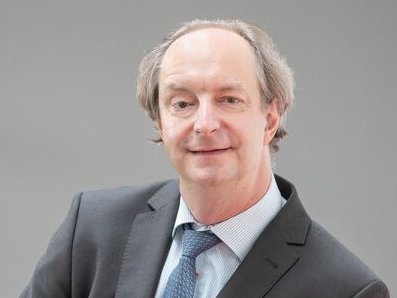
Prof. Martin Schneider, Ph.D., DI
Dean of Faculty Built Environment
+43 5 90 500 5111
m.schneider(at)cuas.at
As a “University of Applied Sciences,” we place the utmost importance on practice-oriented education. The curriculum therefore focuses on imparting the skills that ensure professional success and prepare students for the future. Our faculty members are highly qualified in both their fields of expertise and teaching methods, and they bring their practical, real-world knowledge to the classroom. The team at the Faculty of Built Environment is committed to shaping the future in an effective and agile manner.