

Carinthia’s Universities Pool Expertise on Biodiversity and Social Transformation
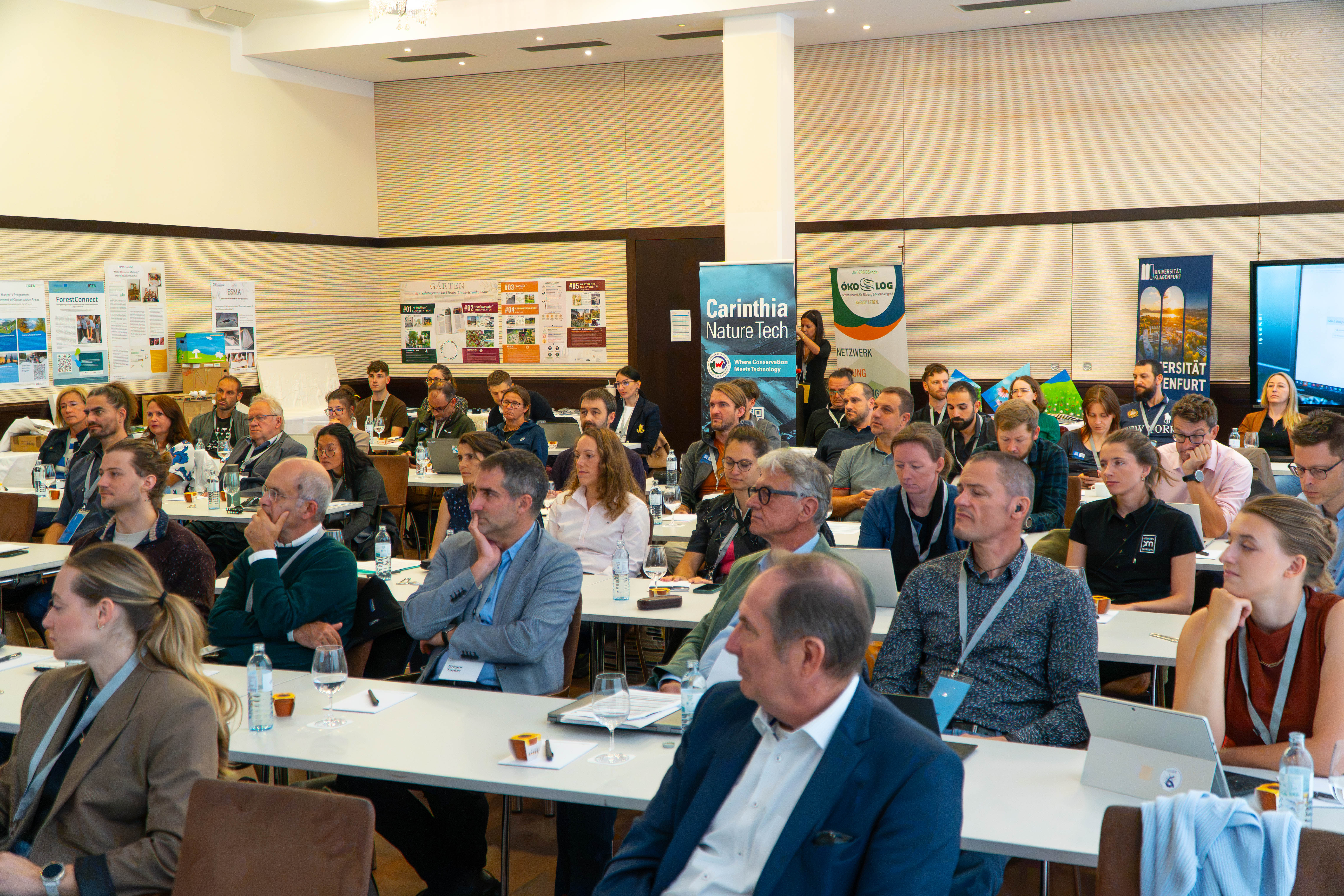
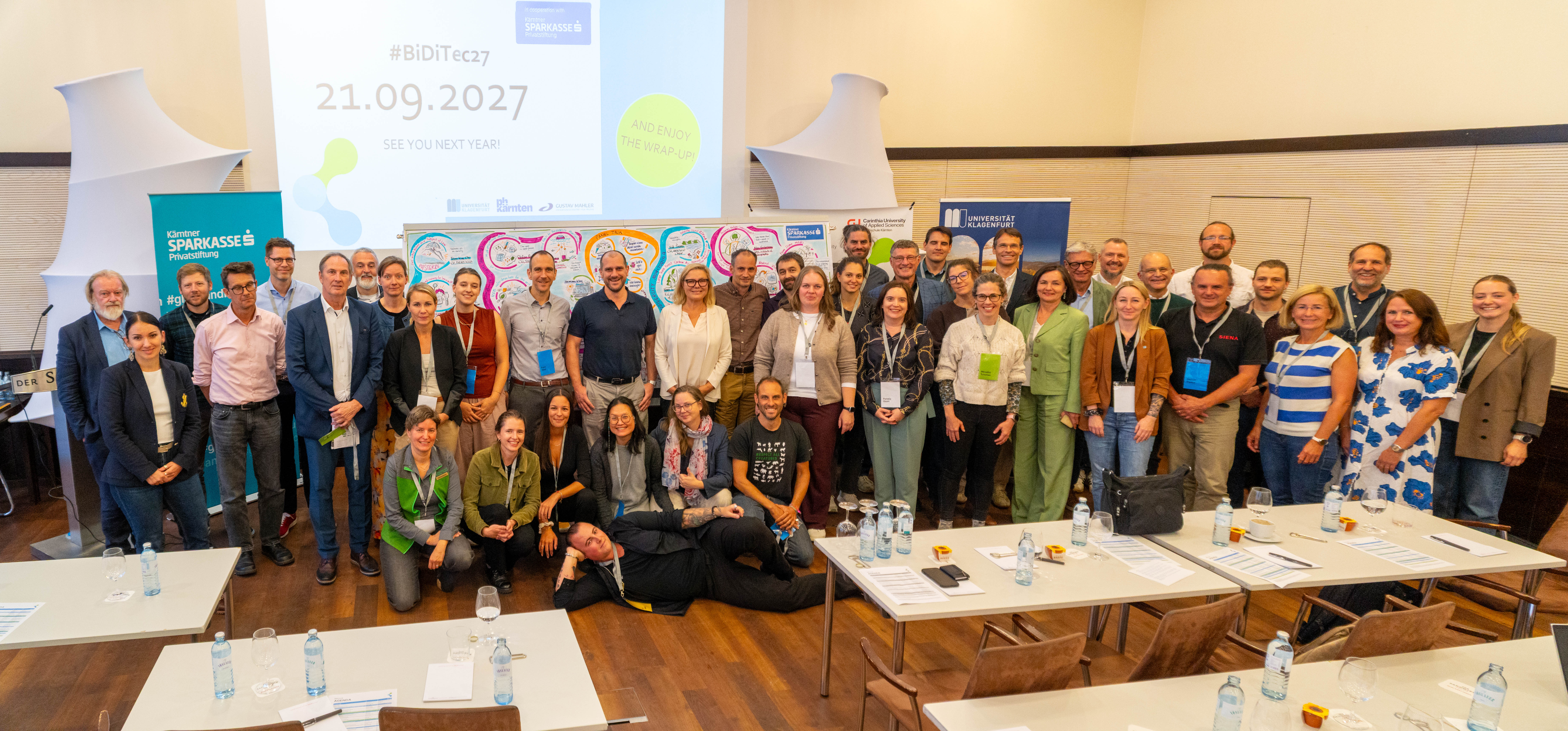
About 80 researchers and experts gathered at the first #BiDiTec26 in Klagenfurt. The focus was on new technologies, biodiversity monitoring, and the question of how interdisciplinary exchange can give rise to new, collaborative research approaches.
How can biodiversity be better assessed and made measurable? What role do new technologies play in this? And how can science and research support processes of societal change?
These were the questions addressed on September 22 at the first International Conference on Biodiversity Technologies & Societal Transformation–#BiDiTec26–in Klagenfurt. For the first time, the conference was jointly organized by CU Carinthia University of Applied Sciences | Carinthia University of Applied Sciences, the University of Klagenfurt, the Carinthia University of Education | Viktor Frankl University of Education, and the Gustav Mahler Private University of Music. The event was supported by the Carinthian Savings Bank Private Foundation.
How New Technologies Make Biodiversity Visible
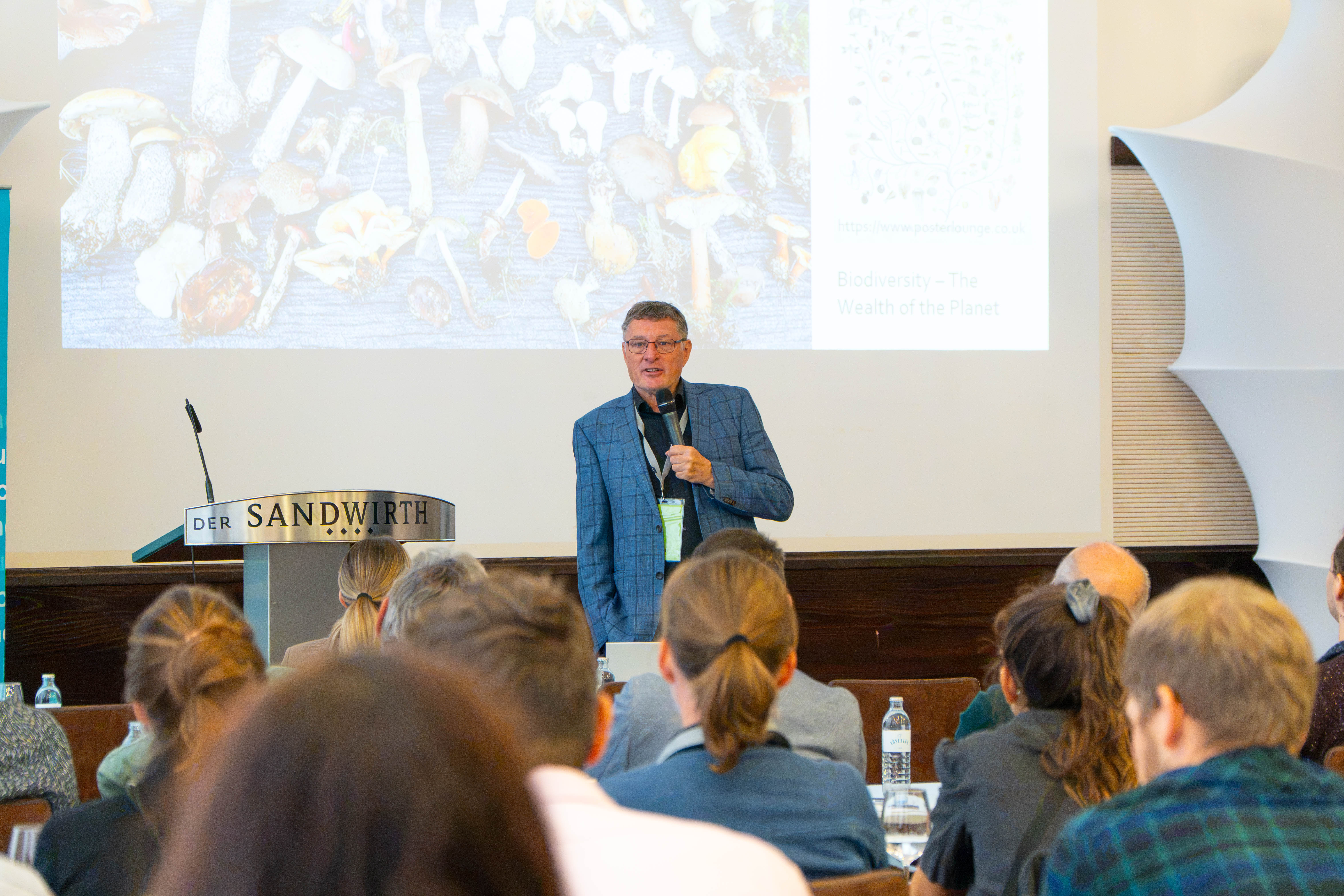
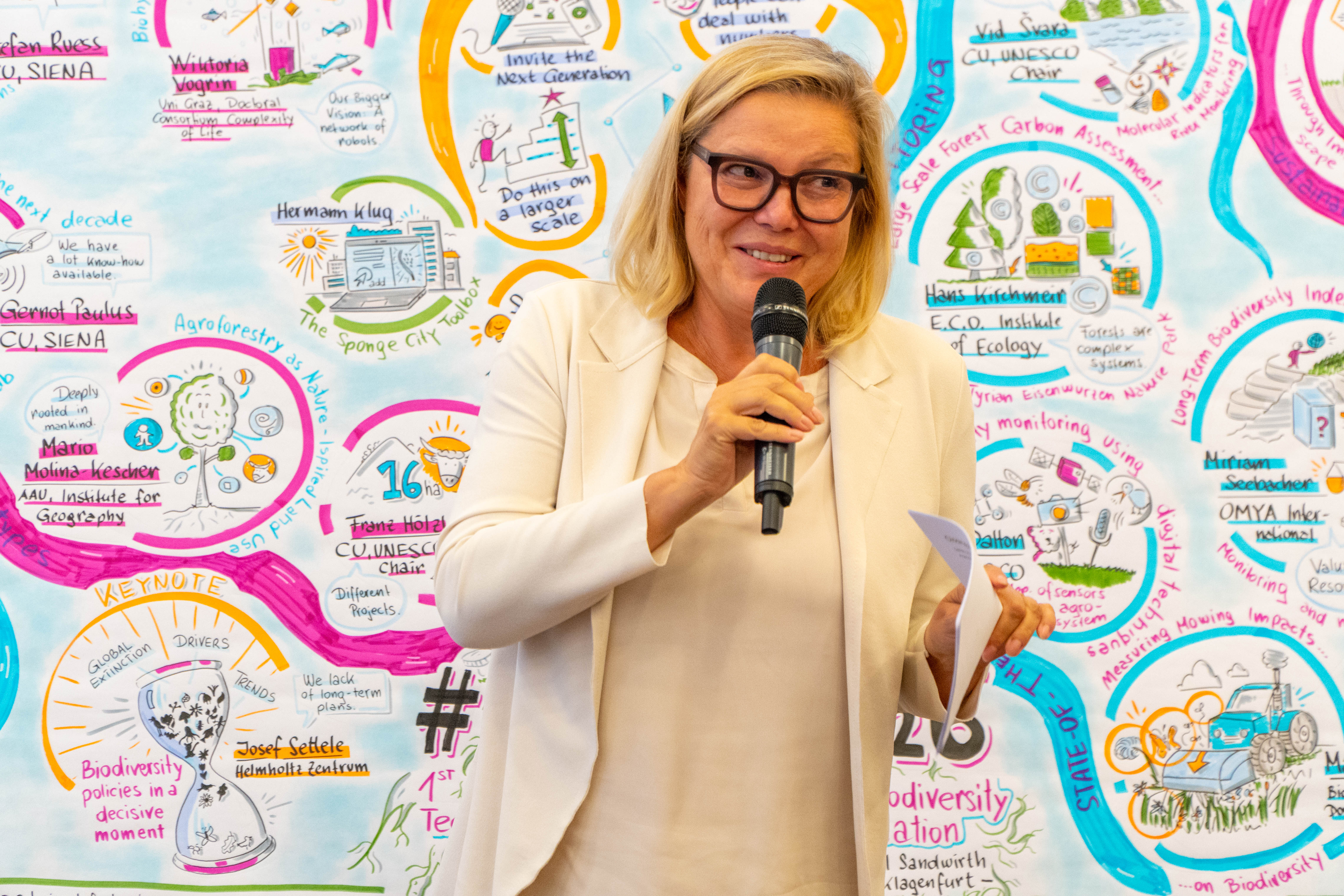
Under the motto “Measuring biodiversity – Empowering transformation,” the program spanned a broad spectrum from the natural sciences to technology and societal transformation. Following the opening remarks by Univ.-Prof. Mag. Dr. Ada Pellert, Chair of the Carinthian Higher Education Conference and co-initiator of the joint conference format, Josef Settele from the Helmholtz Center delivered a keynote address on current developments in biodiversity policy. Subsequent sessions focused on topics including sustainability and global change, new technologies and prototypes, digital biodiversity monitoring, and sustainable innovations.
Presentations on high-resolution drone monitoring, machine learning for butterfly surveys, sensor technology in agroecosystems, molecular indicators for river monitoring, and biohybrid robots for biodiversity research demonstrated just how diverse the potential applications are. Issues related to the building stock, smart energy grids, and societal transformation were also part of the program.
Highlighting Interdisciplinary Connections
For FH-Prof. Mag. Dr. Michael Jungmeier, director of the Interdisciplinary Center for Ecosystem Services and Biodiversity (ICEB) at CU Carinthia University of Applied Sciences, a key benefit of the conference lies in bringing together different disciplines:
“Biodiversity is an important issue. With #BiDiTec26, we wanted to bring together, for the first time, experts from different disciplines in Carinthia who are working on sustainability, global change, and societal transformation. The conference demonstrated that there are many interdisciplinary connections. We look forward to further developing these connections and turning them into joint research and development projects.”
Exchanges Should Lead to Collaborations
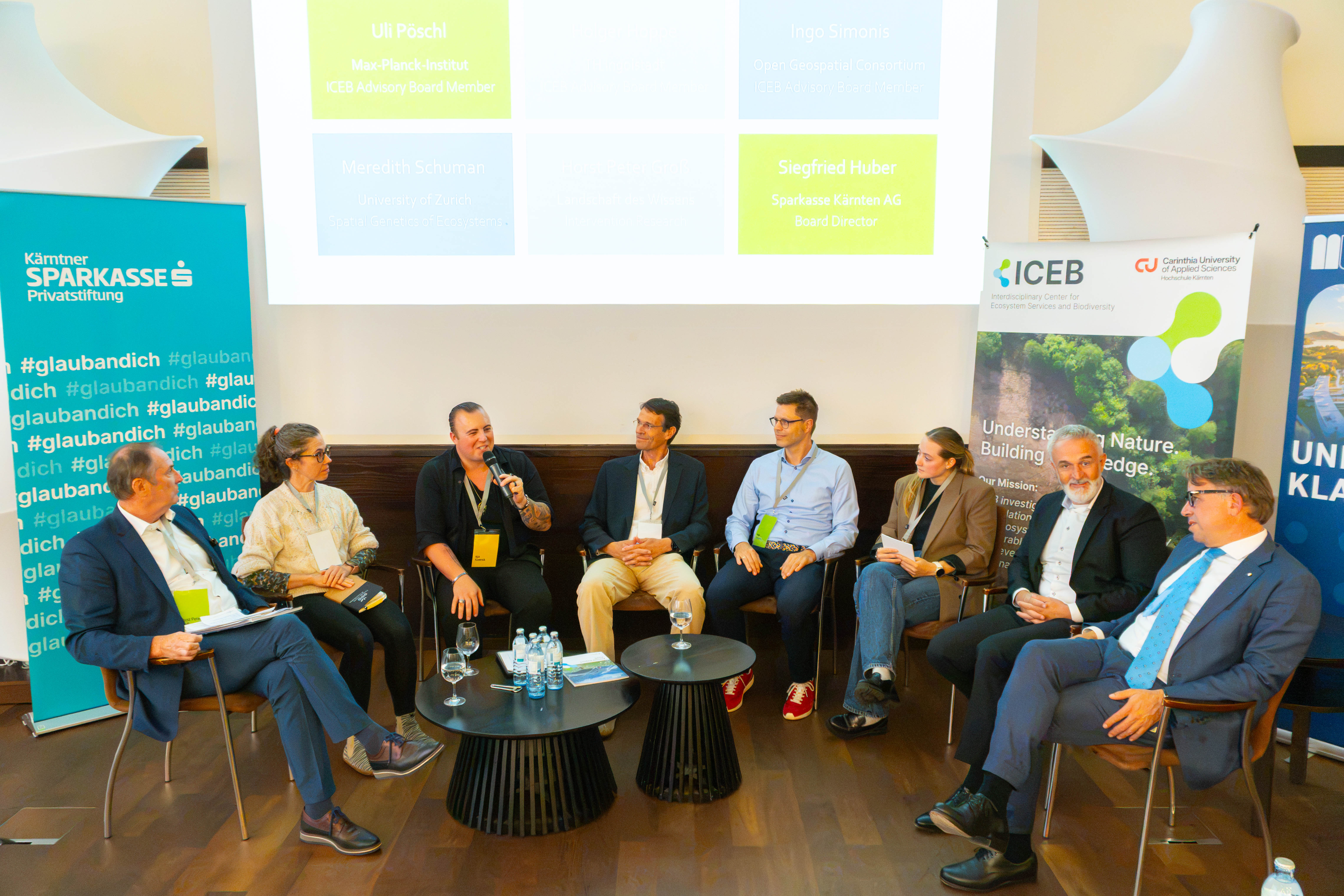
The idea for #BiDiTec26 emerged during the Carinthian Higher Education Conference. The goal is to place greater emphasis on biodiversity, global change, and societal transformation as shared future priorities for Carinthian universities and to develop new inter-university research and collaboration opportunities. In addition to the specialist presentations, the concluding panel and roundtable discussions in particular provided a space for exchange with national and international experts. Participants included representatives from theMax Planck Institute in Mainz, the Technical University of Ingolstadt, ETH Zurich, and the Open Geospatial Consortium.
Sequel Already Planned for 2027
#BiDiTec is designed as an annual event. A larger, publicly accessible conference is planned for 2027, where sessions can also be submitted and where the scientific exchange is intended to specifically lead to new project ideas.
📅 Next #BiDiTec: September 21, 2027
Fotocredit: @ICEB