

Social Work BA - Bachelor's Degree
Social work means supporting people and creating opportunities. In the Bachelor’s Program in Social Work, you’ll explore the causes of social problems and learn how to professionally support people through different life stages and crisis situations.
The BSc in Social Work Program combines social sciences, psychology, law, education, and health sciences with extensive practical experience. Through projects, professional internships, and collaboration with social service organizations, you will gradually develop your technical, methodological, and personal skills, as well as your professional identity as a social worker.
After completing your Bachelor’s Degree in Social Work, a wide range of career opportunities will open up to you – from child and youth welfare and psychosocial counseling to health, social, and educational institutions.
Understand the bigger picture.
Social Work means not just seeing the symptoms, but identifying the root causes of social problems. In the Bachelor’s Program in Social Work, you’ll develop the understanding and skills needed to provide professional support to people and help shape sustainable solutions.
Creativity as a method.
Whether you want to use creative methods to open up new avenues in Social Work or utilize physical activity and sports as resource-oriented approaches in various fields of practice – our Program will equip you with the professional and methodological expertise you need.
Full time or part-time
You decide which Program fits your lifestyle. Whether you start right after high school or while working – the Social Work Program offers you the flexibility you need to balance your education, career, and personal life.
Commitment leads to professionalism.
Start your Bachelor's Degree in Social Work and provide expert support to people navigating challenging life situations.
Special Features of the Program
The Bachelor’s Program in Social Work combines academically grounded instruction with intensive practical training and a wide range of opportunities for personal development. Through interdisciplinary learning, individualized areas of focus, and close interaction with faculty, you will gradually develop your professional identity as a social worker.
Thinking Interdisciplinary
You’ll combine elements of Social Work with psychology, sociology, law, education, management, ethics, and health sciences. This will help you develop a broad understanding of social contexts and learn to analyze social issues from different perspectives.
Understanding People at every Stage of Life
The Bachelor’s Program in Social Work follows the human life course – from childhood through adulthood to old age. Through this Program, you’ll develop a comprehensive understanding of different life situations and learn to provide professional support to people at every stage of life.
Setting Individual Priorities
In the Social Work Program, you can further develop your professional profile in specific areas – such as gender and sexuality in social work, international social work, child and youth services, and social work in the context of work, daily life, and health. In addition, you can choose from “Art & Creativity” or “Movement & Sports” as required elective modules.
Learn in a personal setting. Receive individual support.
A wide variety of study groups and hands-on exercises provide opportunities for in-depth discussion, personalized guidance, and individual growth. This allows you to continuously develop your professional, methodological, and personal skills throughout the Bachelor’s Program in Social Work.
AI, Languages, and Social Work in Italy and Slovenia
Would you like to learn about Social Work across national borders? In these modules, you’ll combine learning Italian or Slovenian with the use of Artificial Intelligence (AI) and gain exciting insights into Social Work in our neighboring countries. The Program culminates in a field trip where you’ll visit social service organizations and experience international practice firsthand.
Details about the Program




Info Box
Level of qualification
Bachelor
ECTS credits
180
Tuition fees*
€ 363.36 / Semester
ÖH (Austrian Student Union) fee
€ 26.20 / Semester
Qualification awarded
Bachelor of Arts in Social Sciences
Duration of study
6 Semester
Language of instruction
German
CU Campus
Feldkirchen
Level of qualification
Bachelor
ECTS credits
180
Tuition fees*
€ 363.36 / Semester
ÖH (Austrian Student Union) fee
€ 26.20 / Semester
Qualification awarded
Bachelor of Arts in Social Sciences
Duration of study
6 Semester
Language of instruction
German
CU Campus
Feldkirchen
Dates Info Box
Winterterm 2026
Period I: 01.11.-15.03.26
Period II: 16.03.-15.05.26
Period III: 16.05.-15.07.26
Period IV:16.07.-15.09.26
Due to lengthy visa processes, applications from Africa, the Middle East and South, East, and Southeast Asia only in Period I.
The semester starts in October - we only offer intake in winterterm!
The start of lectures can be found in the individual timetable which is available after enrollment.
Friday 10:15 - 19:45 h
Saturday 08:30 - 18:00 h
1 & 3 Thursday of the month:
12:45 - 19:45 h
2 Block-Weeks per Semester
An overview on our upcoming events can be found here.
You are interested in a personal (online) study consultation or would like to receive more information on the degree program? Click on the buttons below this checkbox to learn more.
Language of Instruction: German (min B2)
Application essentials:
More information on the application process, admission requirements and necessary documents can be found here.
Winterterm 2026
Period I: 01.11.-15.03.26
Period II: 16.03.-15.05.26
Period III: 16.05.-15.07.26
Period IV:16.07.-15.09.26
Due to lengthy visa processes, applications from Africa, the Middle East and South, East, and Southeast Asia only in Period I.
The semester starts in October - we only offer intake in winterterm!
The start of lectures can be found in the individual timetable which is available after enrollment.
Monday bis Friday full-time and partly on Saturdays
An overview on our upcoming events can be found here.
You are interested in a personal (online) study consultation or would like to receive more information on the degree program? Click on the buttons below this checkbox to learn more.
Language of Instruction: German (min B2)
Application essentials:
More information on the application process, admission requirements and necessary documents can be found here.
* Tuition for non-EU/EEA citizens: €500 + €26.20 ÖH fee (per semester)
FAQ
Frequently asked questions about the “Social Work” Bachelor’s Degree
Can I pursue a Master's Degree after completing my Bachelor's Degree?
Yes. With a Bachelor’s Degree in Social Work, you meet the requirements for a Master’s Program. In addition, the degree qualifies you for numerous Master’s Programs in related fields and opens up a wide range of opportunities for professional specialization.
-> View all FAQsHow does the admission process work?
The admissions process consists of an online application and an online group assessment center. You can find all the information about admission requirements, the process, application materials, and the assessment center on the Admissions & Enrollment page.
Why is the Social Work Program structured around life stages?
The curriculum follows a person’s life journey – from childhood through adulthood to old age. This will help you understand people in different life situations and develop appropriate social work support services.
Insights into the Program
Students, graduates, and faculty members share first-hand accounts of the Bachelor’s Program in Social Work, daily life as a student, and their experiences at CU Carinthia University of Applied Sciences.

Putting ideas into practice.
Mag. (FH) Susanne Pichler-Baumgartner, MA, Child Protection Consultant | Founder and long-time Director of the KRAFTWERK supporting association

As colorful as life itself.
Melissa Jergatsch, Counselor at “Spatz’nnest,” a social and experiential education residential community run by ais-Jugendbetreuung
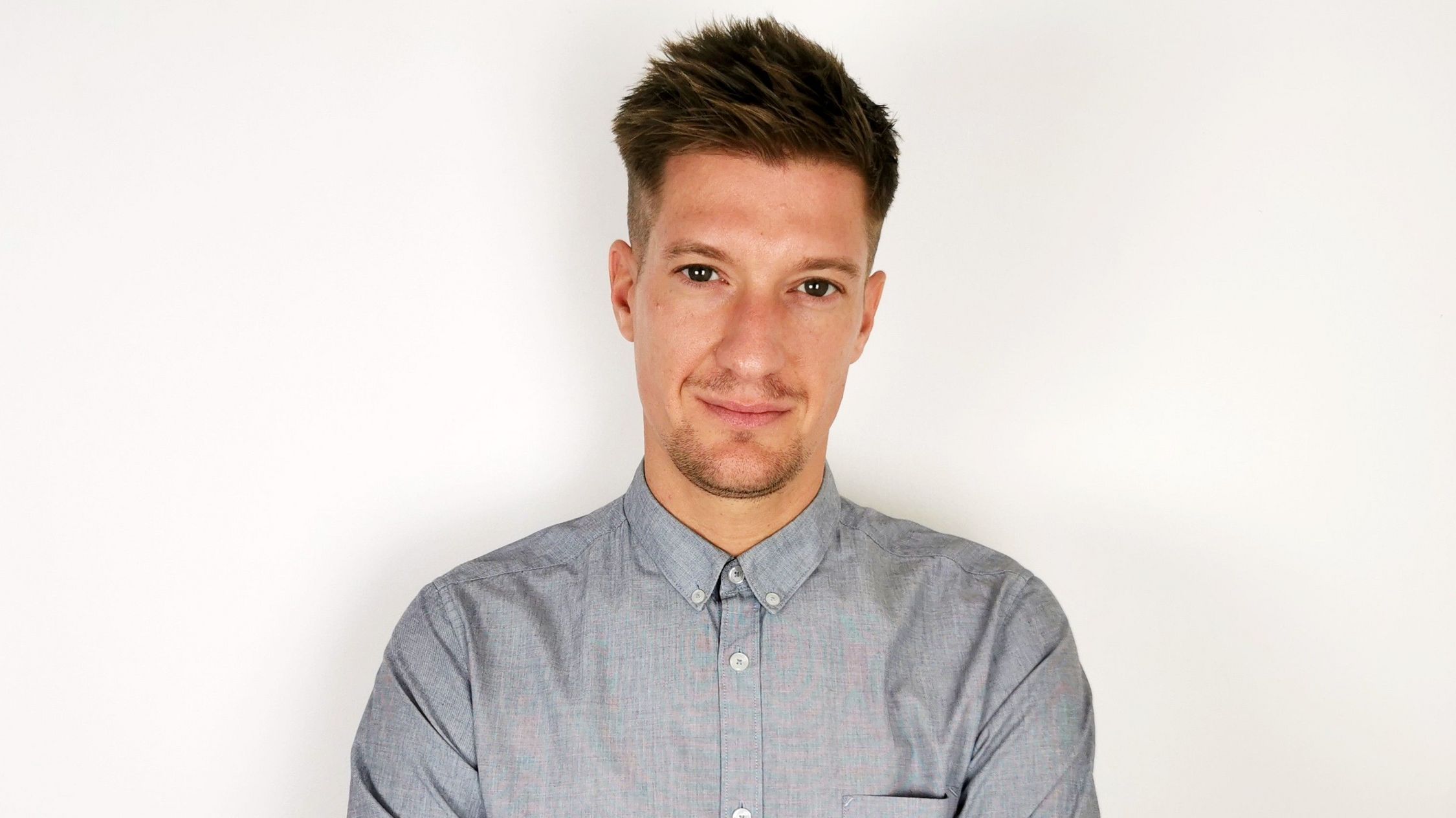
Prejudice is crap.
Daniel Kaaden, Social Worker, City of Klagenfurt | Part-time instructor at CU Carinthia University of Applied Sciences
Book an online information session
During the online information sessions, the program directors or academic directors provide detailed information about the program. Topics include course content, internships, admission requirements, and potential career prospects.
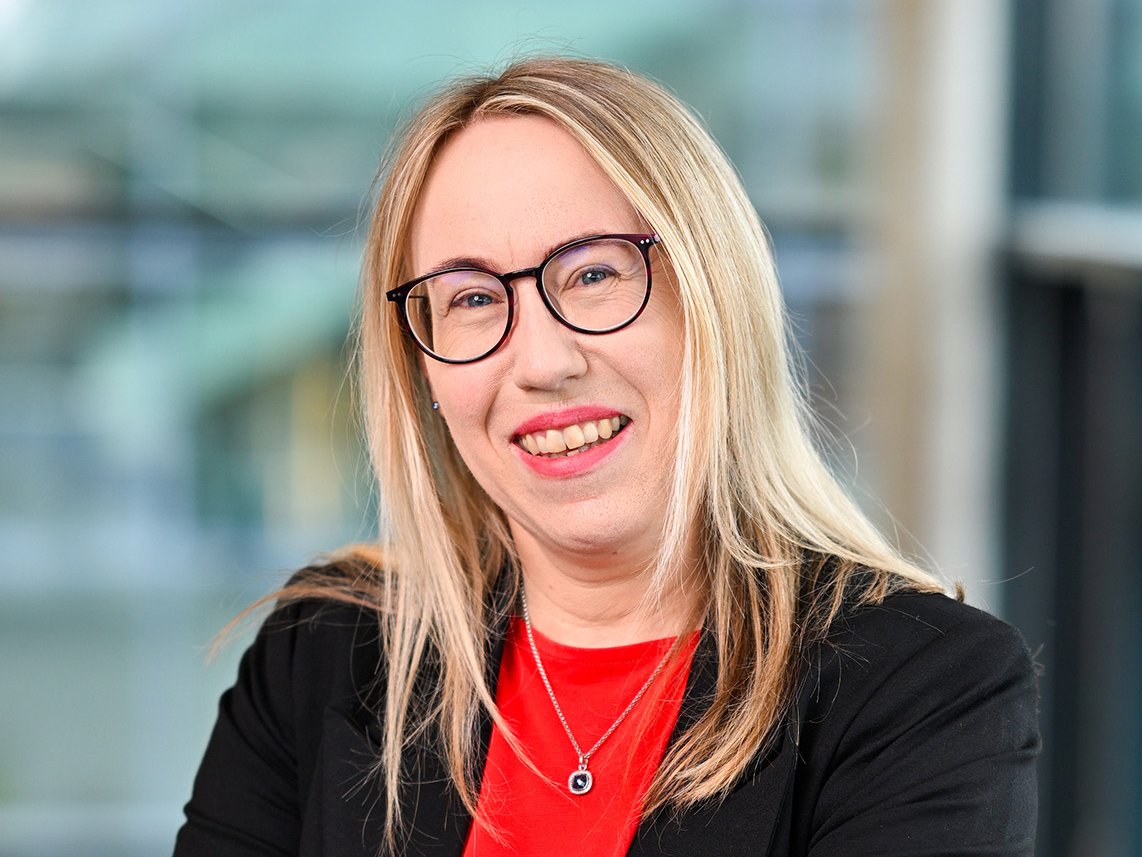
Prof. Waltraud Grillitsch, MMag., Ph.D.
Program Director, Social Work; Chair of Social Economics and Social Management
+43 5 90500 4230
w.grillitsch(at)cuas.at
INFORMATION & APPLICATION
Virtual Campus Tour
Contact
Julia Tscherne
Administration
+43 5 90500-4206
j.tscherne(at)cuas.at
On foot
From the Feldkirchen bus station, you can reach the campus in about 5 minutes on foot. Take 10th October Street toward the city center until you reach Schillerplatz. From there, continue along Kirchgasse and Ossiacher Street to Hauptplatz. The campus is located at the lower end of Hauptplatz.
By public transportation
If you’re coming to Feldkirchen by train or bus, the campus is about a 10-minute walk (600 m) from the Feldkirchen train station and about a 5-minute walk (400 m) from the Feldkirchen bus station.
By car
Coming from Klagenfurt, take the Feldkirchen bypass to the third traffic light, then turn left onto Ossiacher See Süduferstraße. Follow the road for about 1 km, then turn left before the railroad overpass toward the city center onto Ossiacher Straße.
Coming from Villach, turn right at the first traffic light onto Ossiacher See Süduferstraße. Follow the road for about 1 km, then turn left before the railroad overpass toward the city center onto Ossiacher Straße.
After about 200 m, you’ll find a free parking lot on the left. The campus is located at the lower end of the main square. There are several short-term parking spots directly in front of the building.
By Plane
There are several airports in the area to choose from:
- Klagenfurt: about a 30-minute drive
- Ljubljana (Slovenia): approx. 1 hour 15 minutes by car
- Graz: about 1 hour and 45 minutes by car
- Salzburg: approx. 2 hours 30 minutes by car
- Trieste and Venice (Italy): approx. 2 to 3 hours’ drive
- Vienna: approx. 3 hours 45 minutes by car
- Munich: approx. 4 hours travel time
The onward journey to the Feldkirchen campus can then be made by train, bus, taxi, or car.