

Dipl.-Ing. in Architecture - Master's Program
Everyone is talking about the construction revolution. In the Master’s degree program in Architecture, you’ll play an active role in shaping it.
How will we build in the future–with fewer resources, less CO₂, and greater responsibility? In the Master’s program in Architecture, you’ll explore precisely these questions. You’ll learn to rethink architecture: to build on what already exists, use materials thoughtfully, and design living spaces that are ecologically, socially, and economically sustainable. The program focuses on the culture of renovation, the culture of materials, and the culture of dialogue.
After all, we can no longer build the way we used to. That’s why the program combines challenge-based project work with sound theory and prepares you for the transformation of the construction industry. Together with communities, companies, and experts, you’ll develop solutions to real-world problems and learn to take responsibility in the planning process.
Living a Culture of Dialogue
Architecture emerges through dialogue–with people, communities, and other disciplines.
Shaping the Culture of Renovation
Build on what already exists rather than start from scratch–a resource-efficient and forward-looking approach.
Developing Material Culture
Responsibly utilizing sustainable building materials, a circular economy, and innovative designs.
Are you ready to help shape the construction revolution?
Then help shape architecture responsibly.
Special Features of the Program
Architecture Takes Shape in Practice
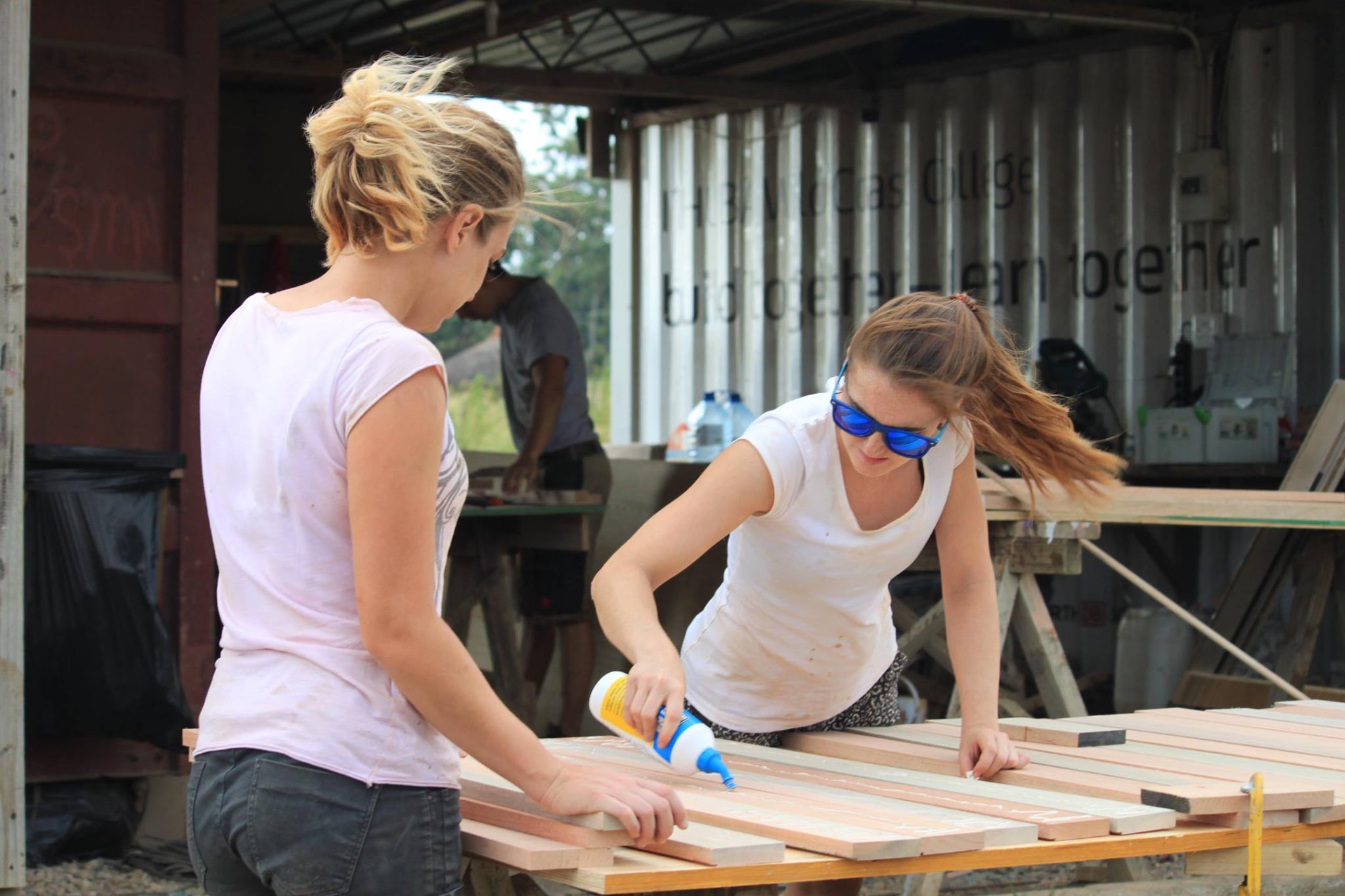
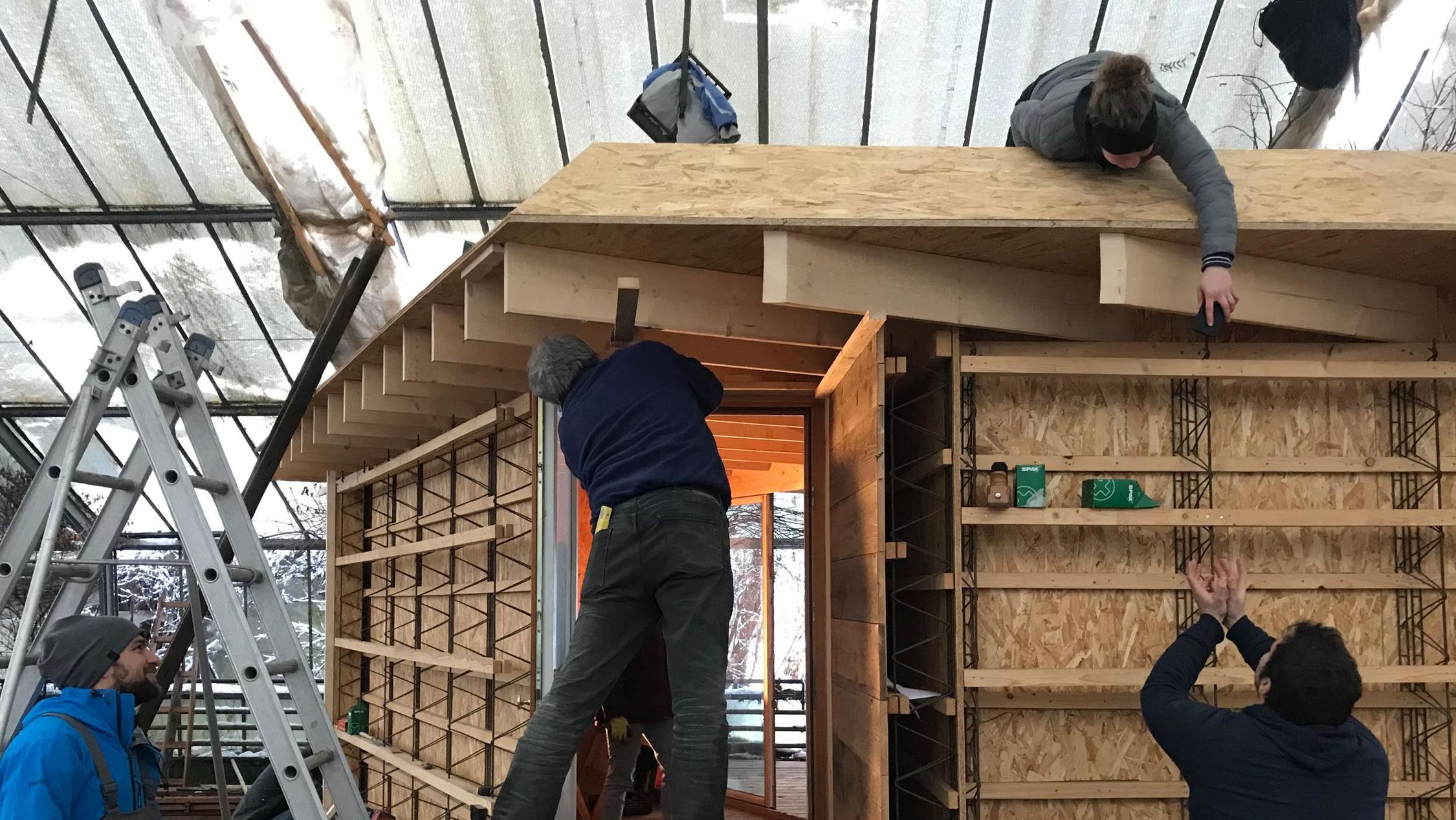
In the Master’s program in Architecture, you’ll work on current issues facing communities, institutions, and the construction industry. Together with external partners, you’ll develop solutions to real-world challenges—from the initial idea to a feasible concept. In this way, you’ll learn to tackle complex projects using an interdisciplinary approach and to take on responsibility in the planning process.
Your Personal Architecture Profile
You play an active role in shaping your degree program. Elective modules, research projects, and individualized specializations allow you to set your own areas of focus—for example, in sustainable construction, digital planning methods, or regional development processes. This helps you develop a skill set that aligns with your interests and career goals.
Research Becomes Part of Your Designs
The latest research is directly incorporated into the program. Together with research groups and experts, you’ll explore topics such as the circular economy, resource efficiency, and innovative construction processes. This leads to designs that combine scientific insights with practical applicability.
Perspectives Beyond National Borders
Today, architecture is shaped by international exchange. Field trips, collaborations, and international teaching formats open up new perspectives on architecture, urban planning, and sustainable building culture, and expand your professional network.
Architecture for the Construction Transition
This master’s program specifically prepares you for the transformation of the construction industry. Topics such as decarbonization, the circular economy, reuse, and resource-efficient design run throughout the entire program. You’ll develop skills that are increasingly in demand in the architecture industry.
In the Master’s program in Architecture at CU University of Applied Sciences Carinthia, you’ll be equipped to navigate the necessary transformation of the construction industry. How? Here, a wealth of interdisciplinary expertise converges in a stimulating environment. We consistently pursue the Sustainable Development Goals (SDGs). And we build your Master’s program in Architecture on three forward-looking pillars: Culture of Dialogue | Culture of Materials | Culture of Renovation.
Ready for the Construction Transition
A Transformation in Construction for Climate Protection? Why, exactly? Buildings play a huge role in climate change. They are responsible for about 40 percent of greenhouse gas emissions and energy consumption. Nearly 50 percent of raw materials extracted from nature are used in construction. And that’s not even mentioning their share of total waste. So: That’s why!
Details about the program



Info Box
Level of qualification
Master
ECTS credits
120
Tuition fees*
€ 363.36 / Semester
ÖH (Austrian Student Union) fee
€ 26.20 / Semester
Qualification awarded
- Diplom-Ingenieur für technisch-wissenschaftliche Berufe
- Diplom-Ingenieurin für technisch-wissenschaftliche Berufe
Duration of study
4 Semester
Language of instruction
German
CU Campus
Spittal
Dates Info Box
Winterterm 2026
Period I: 01.11.-15.03.26
Period II: 16.03.-15.05.26
Period III: 16.05.-15.07.26
Period IV: 16.07.-30.09.26*
Due to lengthy visa processes, applications from Africa, the Middle East and South, East, and Southeast Asia only in Period I.
*We reserve the right to close this period early.
The semester starts in October - we only offer intake in winterterm!
The start of lectures can be found in the individual timetable which is available after enrollment.
Monday–Friday full-time and partly on Saturdays
An overview on our upcoming events can be found here.
You are interested in a personal (online) study consultation or would like to receive more information on the degree program? Click on the buttons below this checkbox to learn more.
Language of Instruction: German (min B2)
Application essentials:
More information on the application process, admission requirements, necessary documents and deadlines can be found here.
* Tuition for non-EU/EEA citizens: €500 + €26.20 ÖH fee (per semester)
FAQ
Frequently asked questions about the Master’s Degree Program
in “Architecture”
Is this master's program right for me?
This master's program is designed for architecture graduates who wish to further develop their design and technical skills in a targeted manner and actively help shape the transition in the construction industry.
Why is the construction revolution taking center stage?
The construction industry is one of the most resource-intensive sectors. In this master’s program, you’ll learn to rethink architecture–with a focus on renovation rather than new construction, the circular economy, sustainable materials, and participatory planning processes. This will enable you to develop solutions for the challenges of tomorrow.
Can I work on research projects?
Yes. Through the RE:SPACE research group, you can participate in current research projects while you’re still a student and incorporate scientific questions directly into your project work or master’s thesis.
Insights into the Programs
Students, graduates, and faculty members share firsthand accounts of the bachelor’s and master´s degree program in architecture, daily life as a student, and their experiences at CU Carinthia University of Applied Sciences.
Book an online information session
During the online information sessions, the program directors or academic directors provide detailed information about the program. Topics include course content, internships, admission requirements, and potential career prospects.
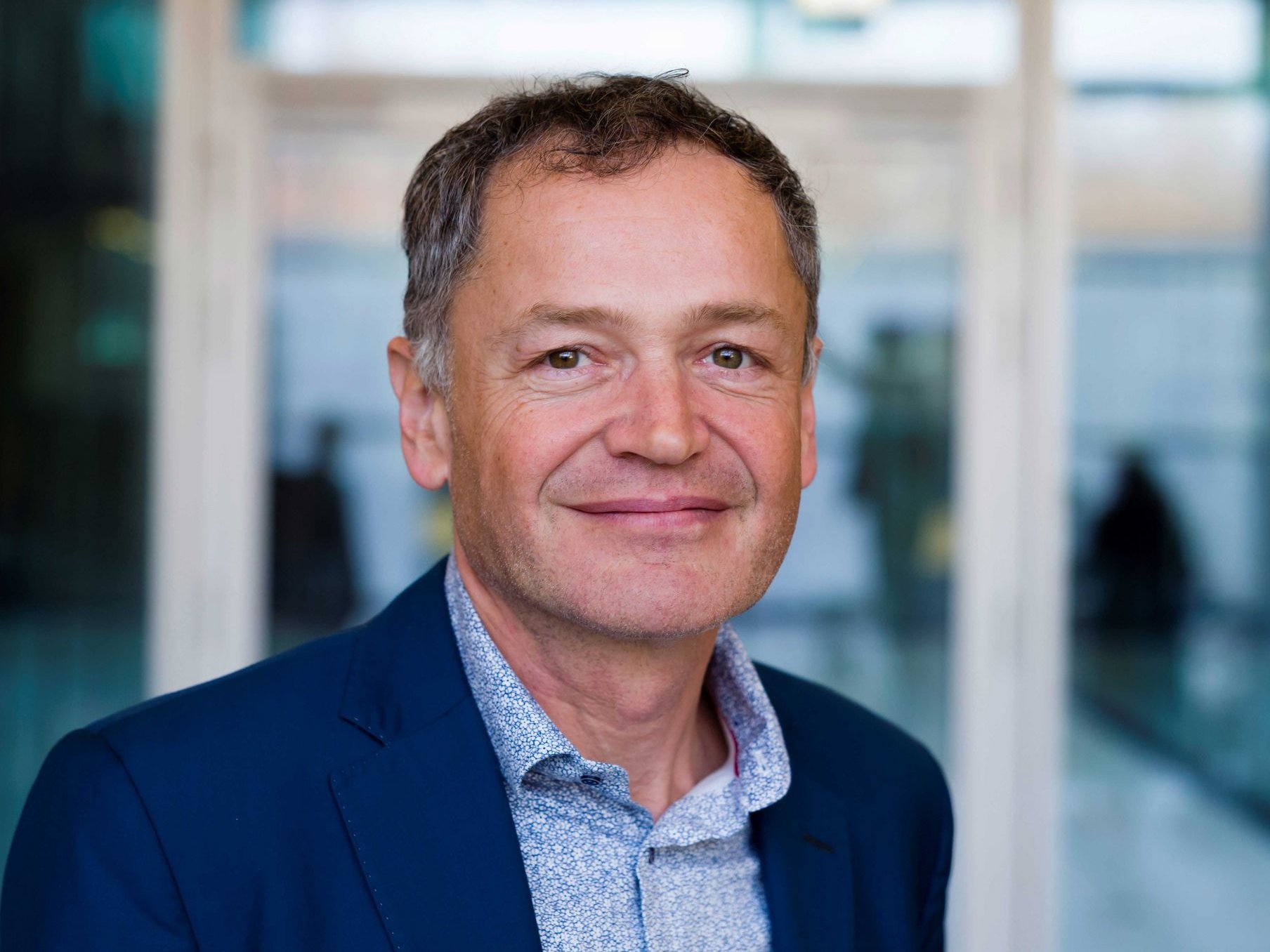
Prof. Mag. Arch. Wolfgang Grillitsch
Program Director, Architecture
+43 (0)5 90500-5113
wolfgang.grillitsch(at)cuas.at
INFORMATION & APPLICATION
Virtual Campus Tour
Contact
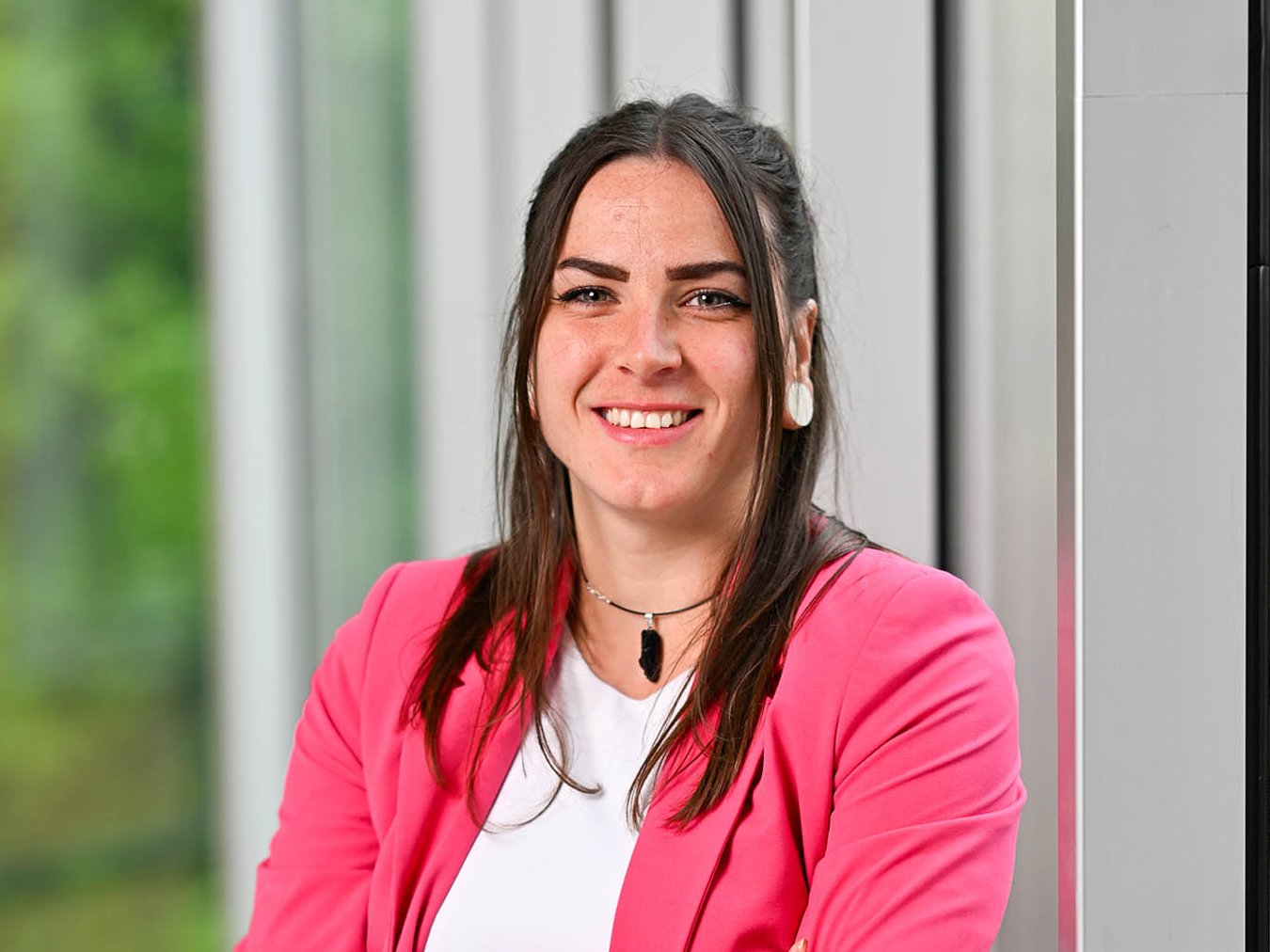
Nadine Jaunig
Administration
+43 (0)5 90500-5106
n.jaunig(at)cuas.at
Johanna Sophie Walder
Administration
+43 (0)5 90500-5107
j.walder(at)cuas.at
On Foot
From the Spittal-Millstätter See train station, you can reach the campus in about 15 minutes on foot (1.2 km). The route takes you along Bahnhofstraße, past the city park and Porcia Castle, across the main square, and through the archway toward Villacher Straße.
By public transportation
The campus is accessible from the Spittal-Millstätter See train station via bus lines 11, 120, or 180 to the “Spittal/Drau Zentrum” stop, or by bus line 12 to the “Spittal an der Drau Mittelschule” stop, followed by a walk of about 7 minutes.
By car
Coming from the north, take the Spittal Nord/Millstätter See exit on the A10 Tauern Autobahn and drive along the B98 Millstätter Straße and B99 Katschberg Straße toward Spittal Zentrum.
Coming from the south or east, take the Spittal-Ost exit on the A10 Tauern Autobahn and follow the B100 Drautal Bundesstraße toward Spittal Zentrum.
If you’re coming from the west, you can reach the campus via the B100 Drautal Bundesstraße toward the city center.
The campus is located on Villacher Straße, right next to the Lieser Bridge.
By Air
There are several airports in the area:
- Klagenfurt: approx. 1 hour drive
- Ljubljana (Slovenia): approx. 1 hour and 30 minutes by car
- Graz: approx. 2-hour drive
- Salzburg: approx. 2-hour drive
- Trieste and Venice (Italy): approx. 3 hours’ drive
- Vienna: approx. 4-hour drive
- Munich: approx. 4-hour drive
The onward journey to the Spittal campus is then by train, bus, taxi, or car.