
Disability, Diversity & Digitalization
Master's Degree Program
In the master’s degree program in Disability, Diversity & Digitalization (DDD) at CU Carinthia University of Applied Sciences, you’ll learn how to help shape the digital transformation in an inclusive, diversity-sensitive, and responsible way. The program combines the cultural and social sciences–particularly disability and diversity studies–with the digital transformation.
You’ll explore ethics and human rights in the digital age, digital accessibility, augmentative and alternative communication, and the development of digital assistive technologies. In doing so, you will analyze how digital technologies can be used in the social and healthcare sectors, in the workplace, and in everyday life to promote equal opportunities and social participation.
The master’s degree program is designed for graduates of social sciences, health sciences, business, and technical programs who wish to combine digital innovation with social responsibility.
Putting technology into practice.
A quarter of the program consists of technical coursework. You'll gain fundamental technical knowledge and explore assistive technologies, social robotics, socio-technology, and technology assessment.
Shaping Digital Inclusion.
You will focus on assistive technologies, augmentative and alternative communication, and user-centered technology development. In the process, you will learn to help design inclusive digital solutions and to critically reflect on their social opportunities and risks.
Think on a global scale.
One semester is taught primarily in English. This allows you to delve deeper into the subject matter in English and expand not only your academic skills but also your language skills.
Ready to overcome social inequalities?
Let's work together to create new perspectives.
Special features of the program
Set Individual Areas of Focus Through Elective Modules
Four elective modules allow you to tailor your focus to your individual interests. You’ll delve deeper into disability, diversity, and digitalization in the fields of art and culture, social services and education, aging, or the workplace.
Testing Your Own Projects in Practice
The Research and Development module spans the entire degree program. You will carry out your own project and development work and evaluate the effectiveness of digital and social solutions in various practical contexts. Topics such as disability management, environmental and social sustainability, or digital participation can also be the subject of your master’s thesis. This thesis can be completed in collaboration with a company.
Study flexibly while working
The high proportion of online instruction (80%) offers you flexibility in terms of time and location. The work-friendly structure makes it easier to balance your master’s program with your current job and personal commitments.
Understanding Technology – Designing Digital Solutions for Greater Inclusion
You don’t have to be a tech expert to help shape the digital age. Throughout your studies, you’ll learn, step by step, to understand digital systems, evaluate them critically, and make them usable for people. The focus isn’t on programming, but on understanding technologies and their practical application.
In the Skills Lab, you’ll work with assistive technologies and collaborate with others to develop practical solutions for various areas of life. Topics such as usability, accessibility, and ethics are just as central as the question of what societal benefits digital technologies can create.
Technical content is consistently linked to disability studies, law, ethics, and the social sciences. This creates an interdisciplinary skill set that empowers you to view digitalization from different perspectives and actively shape its future.
Details about the program




Info Box
Level of qualification
Master
ECTS credits
120
Tuition fees*
€ 363.36 / Semester
ÖH (Austrian Student Union) fee
€ 26.20 / Semester
Qualification awarded
Master of Arts in Social Sciences
Duration of study
4 Semester
Language of instruction
German/English
CU Campus
Klagenfurt
Dates Info Box
Winterterm 2026
Period I: 01.11.-15.03.26
Period II: 16.03.-15.05.26
Period III: 16.05.-15.07.26
Period IV: 16.07.-30.09.26*
Due to lengthy visa processes, applications from Africa, the Middle East and South, East, and Southeast Asia only in Period I.
*We reserve the right not to open the period or to close it early.
Winter semester starts in October. We only offer intake in winterterm!
The start of lectures can be found in the individual timetable which is available after enrollment.
One block week per semester takes place in presence at our Campus in Klagenfurt (Primoschgasse).
Classes take place appr. twice a month and are distributed among the following days and time slots:
Thursday: 16:30 - 21:30
Friday: 14:30 - 21:30
Saturday: 08:30 - 16:00
An overview on our upcoming events can be found here.
You are interested in a personal (online) study consultation or would like to receive more information on the degree program? Click on the buttons below this checkbox to learn more.
Language of Instruction: German (min B2)
Application essentials:
More information on the application process, admission requirements and necessary documents can be found here.
* Tuition for non-EU/EEA citizens: €500 + €26.20 ÖH fee (per semester)
FAQ
Frequently asked questions about the Master’s Degree Program in
“Disability, Diversity & Digitalization”
Do I need any prior technical knowledge or programming skills?
No prior technical knowledge is required. You will gain a basic understanding of digital assistance systems, their applications, and simple programming concepts, while integrating technical, social science, and ethical perspectives.
What are assistive technologies?
Assistive technologies support people with disabilities in their daily lives, in communication, in learning, and in their professional lives. During your studies, you will explore their potential applications and their inclusive, user-centered design.
Can I complete the degree program from abroad?
Yes, because a large portion of the program is online, you can generally complete the degree program from abroad. Each semester includes an intensive on-campus block week at the Klagenfurt campus.
Insights into the Program
Students, graduates, and faculty members share firsthand accounts of Disability & Diversity Studies, everyday student life, and their experiences at CU Carinthia University of Applied Sciences.

The world needs men who take responsibility.
Emmanuel Knes, Graduate of the Bachelor’s Program in Disability & Diversity Studies

From Floristry to Managing Social Service Organizations
Marina Jellitsch, Graduate of the Bachelor’s Program in Disability & Diversity Studies

Taking detours broadens your knowledge of the area
Laura Schnedl, Graduate of the Bachelor’s Program in Disability & Diversity Studies
Book an online information session
During the online information sessions, the program directors or academic directors provide detailed information about the program. Topics include course content, internships, admission requirements, and potential career prospects.
Leadership Team
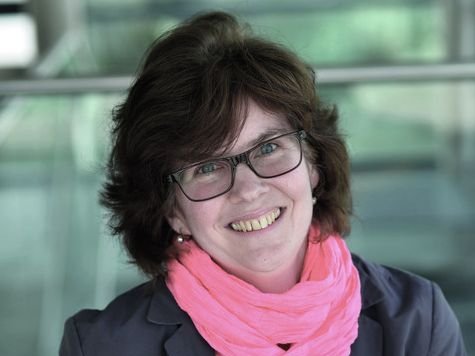
Prof. Susanne Dungs, M.A., Ph.D., Habil.
Program Director
+43 5 90500 4225
s.dungs(at)cuas.at
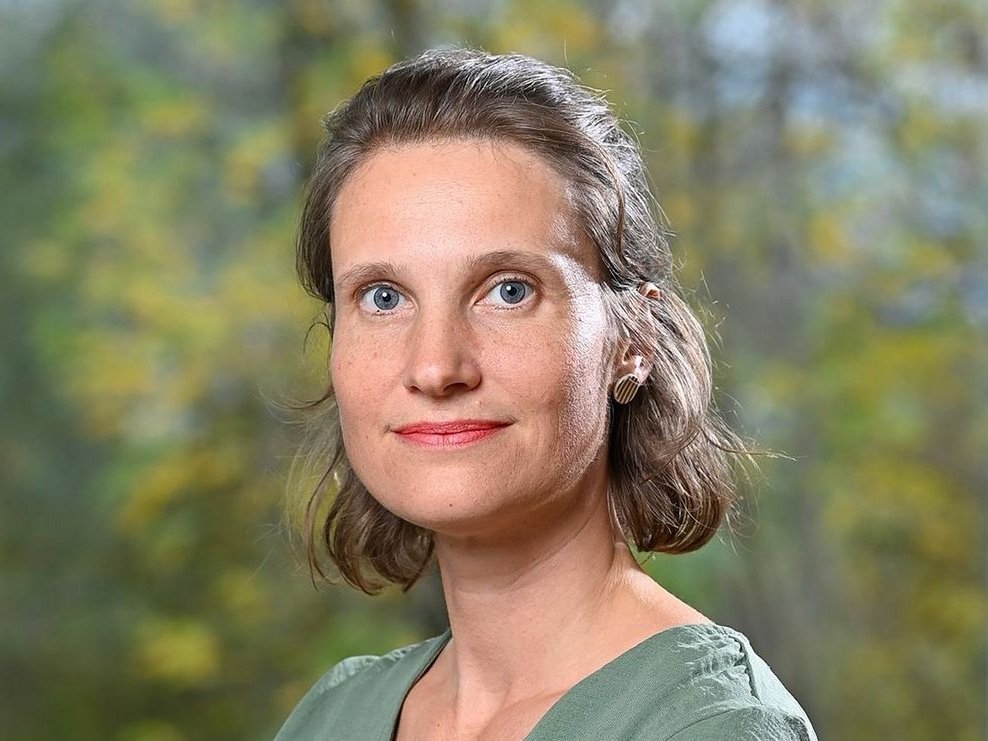
Dr. Mag. Carla Küffner
INFORMATION & APPLICATION
Virtual Campus Tour
Contact
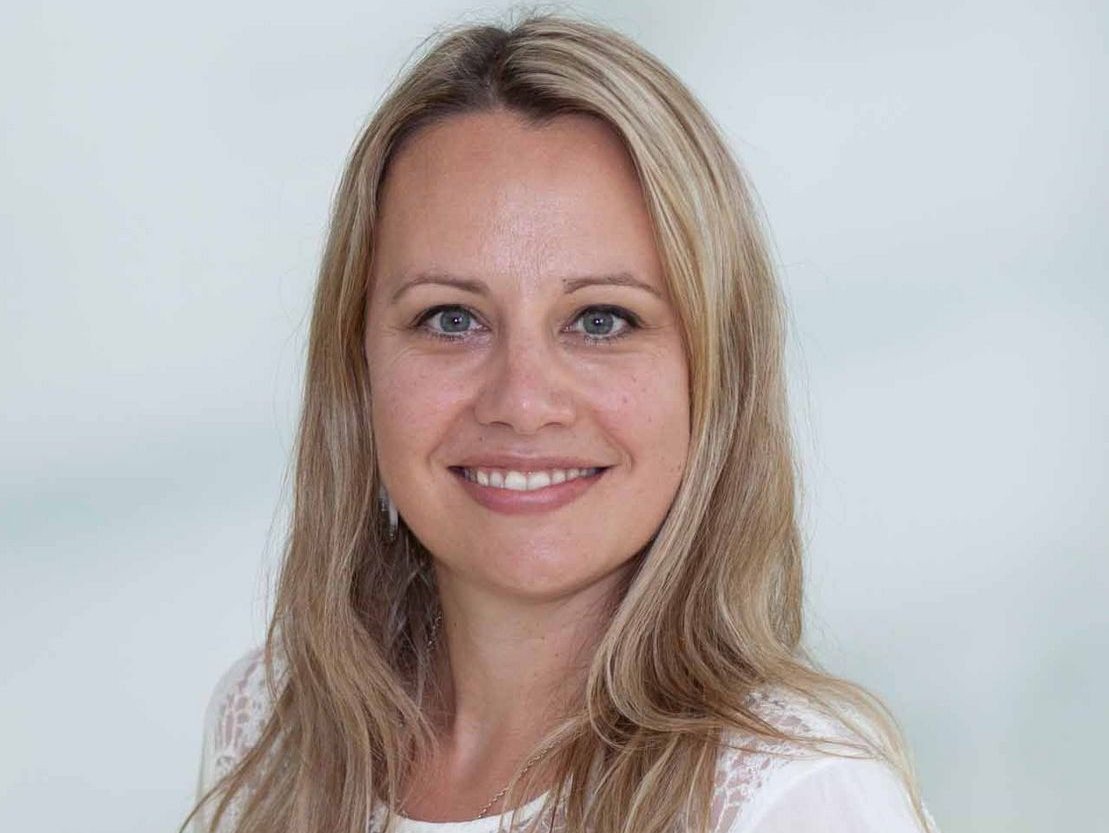
Sonja Nagelschmied, B.A.
Program
Administration +43 5 90500 3301
admin_gs_klu(at)cuas.at
Tamara Stotter, B.A.
Program
Administration +43 5 90500 3501
admin_gs_klu(at)cuas.at
On foot
From Klagenfurt Central Station, you can reach the campus in about 20 minutes on foot (1.7 km). The route takes you east along Bahnstraße and then along Gerberweg to the campus.
By public transportation
From Klagenfurt Central Station, take Line A to the “FH Kärnten” stop operated by Stadtwerke Klagenfurt. From the station building, turn left toward the bus station.
By car
Coming from the west—for example, via the A10 Tauern Autobahn or A11 Karawanken Autobahn—take the A2 Südautobahn to the Klagenfurt/Wörthersee exit. Then follow the Südring for about 7 km and turn toward the city center at the Südring/Gerberweg intersection. After about 150 m, turn right toward the campus.
If you’re coming from the east, take the Klagenfurt-Ost exit on the A2 Südautobahn. Then drive toward Klagenfurt-Zentrum, continue along Völkermarkter Straße, and then turn left onto the Südring. At the Südring/Gerberweg intersection, turn toward the city center and, after about 150 m, turn right toward the campus.
Coming from the south, you can reach the campus via the B91 Rosentaler Straße. At the Rosentaler Straße/Südring intersection, turn onto the Südring and follow it for about 2.5 km to the Südring/Gerberweg intersection. There, turn toward the city center and, after about 150 m, turn right toward the campus.
Coming from the north, drive toward the city center on the B83 St. Veiter Straße until you reach the St. Veiter Straße/St. Veiter Ring intersection. Then follow St. Veiter Ring, then Völkermarkter Ring, and continue on Lastenstraße until you reach Gerberweg. After about 750 m, turn left toward the campus.
By Plane
There are several airports in the area to choose from:
- Klagenfurt: approx. 15-minute drive
- Ljubljana (Slovenia): approx. 1 hour 10 minutes by car
- Graz: about 1 hour and 30 minutes by car
- Salzburg: approx. 2 hours and 30 minutes by car
- Trieste and Venice (Italy): approx. 2 to 3 hours’ drive
- Vienna: approx. 3 hours 30 minutes drive
- Munich: approx. 4 hours 15 minutes travel time
The rest of the journey to the Klagenfurt Primoschgasse campus can then be completed by train, bus, taxi, or car.